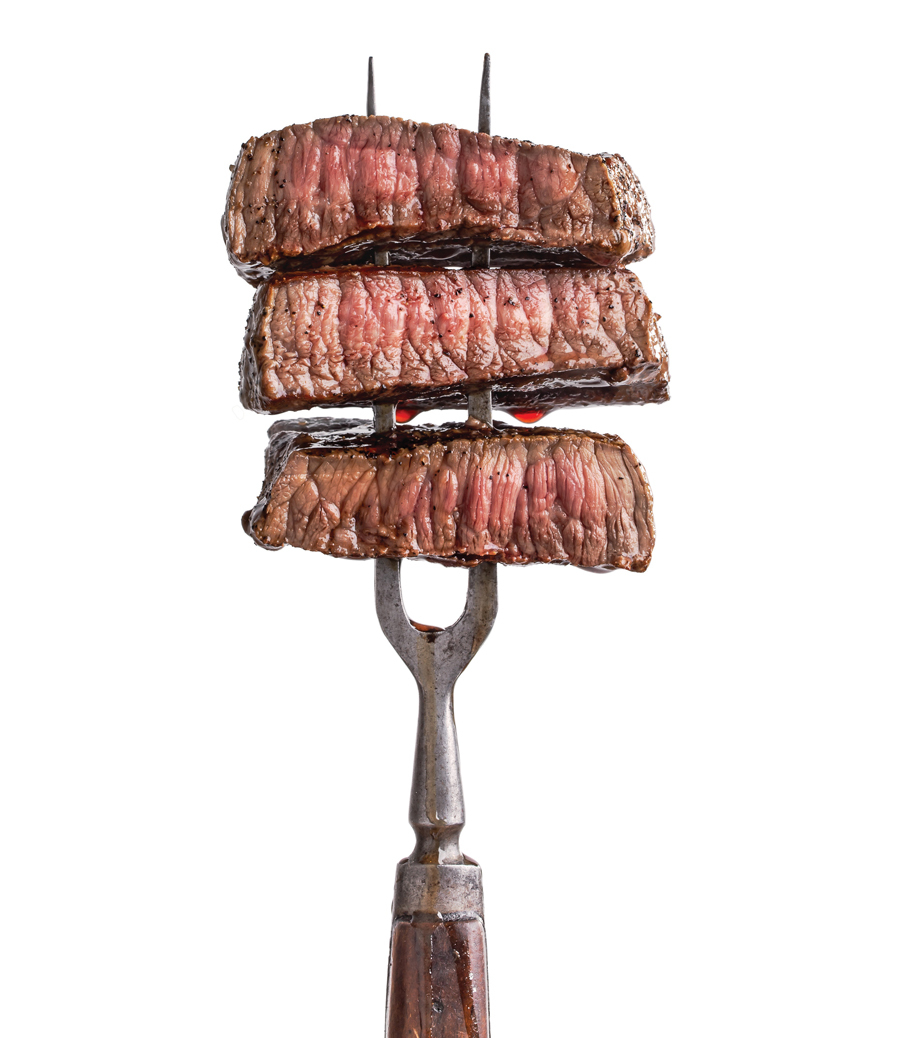

If you know the phrase, “Sell the sizzle, not the steak,” you know Elmer Wheeler.
An early practitioner of what is now known as sales psychology, Wheeler authored the 1937 book “Tested Sentences That Sell” and became a master in the study of persuasion. He spent his career researching and testing minor, often subtle changes in phrasing that could dramatically increase sales results, going on to write several books on the subject and becoming a sought-after speaker, trainer, and consultant in his day.
“Sell the sizzle” is the first, and, by far best remembered, of several principles outlined in his book. It’s a reminder to focus on buyer emotions, motivations, and outcomes rather than the technical aspects of the product that can bog down a sale. In the words of Wheeler himself “The sizzle has sold more steaks than the cow ever has, although the cow is, of course, mighty important.”
Nowhere is selling the sizzle more important than the initial contact with a prospective buyer, especially when a major, big-ticket purchase like a home is involved. Unfortunately, in the enthusiasm to make the sale, many salespeople move too eagerly to selling the product and don’t focus on what they should be doing: creating a desire in the prospect to proceed to the next step in the sales process.
I experienced this valuable lesson firsthand some years ago when I worked on the retail side of the business for a large, community-based sales organization. The company had just implemented call-tracking phone numbers for all of its properties. At the time, this was cutting-edge sales tech, offering the ability to determine which marketing sources were generating the most inquiries and recording the incoming calls for later review or coaching.
Someone on our team came up with the idea to play a few random call recordings during our weekly team sales meeting. The first and only call we played that day started strong. It was answered promptly, enthusiastically, and with a proper company greeting. The sales agent gave a great introduction and transitioned smoothly into a sales presentation, after which they recommended the perfect inventory home. The call wrapped up with a discussion of community amenities, the land-lease concept, and the application process to become a resident.
In hearing the call at this point, you might have thought that it couldn’t have possibly gone better. But we noticed our owner getting visibly agitated as the call progressed. We soon understood why. After the sales agent did the majority of the talking, the prospect thanked the agent for the great information, said that they wanted to think about it, and ended the call. No name. No phone number. No next step.
Talk about a missed opportunity! To this day, I don’t think I’ve ever seen a person change a darker shade of red than our boss did during the playback of that call.
After a stern refresher in phone skills, we all learned a valuable lesson that day: the purpose of a phone inquiry was to sell an appointment, not the home. Elmer Wheeler would have approved.
In your sales process, perhaps it’s not an in-person appointment. Maybe it’s the completion of a community or financing application. Whatever it is, you have one objective and one objective only: to get the prospect to commit to the next step, whatever that may be.
So, how exactly do you go about doing that? Here are a few tips to keep you focused on asking for the next step and avoid some common pitfalls:
Don’t Overwhelm the Prospect
If you’ve ever found yourself talking about the pre-HUD history of manufactured housing or explaining the advantages of 2×6 sidewalls, you’re providing way too much information. Answer prospect questions politely and succinctly, then immediately pivot back to asking for the next step.
Let Your Prospect Do Most of the Talking
You can’t learn what’s important to your prospect if you’re the one doing all the talking. You’ll miss important information for motivation and urgency. Stop. Pause. Let the prospect do most of the talking. Move the conversation toward the next step.
Sell Benefits, Not Features
Features don’t sell homes. Benefits do. Talk in terms of the benefit to your prospect. Need to move right away? Great, I’d love to show you our move-in-ready homes. Would you like to come in this afternoon or this evening? Always ask for the next step.
Don’t Tackle Objections
Handling objections over the phone can take you, too quickly, into the weeds, or worse, put everyone on the defensive. Acknowledge the prospect’s concerns, validate that you understand why they might think or feel that way, and redirect how your next step in the process can help answer those questions.
Pique the Prospect’s Interest
When you provide too much information or try to sell a home over the phone, there is nothing left to be discovered. The next step becomes unnecessary. You want to offer just enough information to make the prospect intrigued and enthusiastic to take the next step.
When you think about it, keeping a phone inquiry narrowly focused also makes good sense. Instead of asking the prospect to commit to a major purchase or complex process before trust has been established, you’re simply selling a conversation. It’s low pressure and certainly less intimidating.
Give it a try. You’ll find your sales will be sizzling in no time.
MHInsider is the leader in manufactured housing news and is a product of MHVillage, the top marketplace for manufactured homes.