ROAD to Housing Speeds Through Congress, Sustained by Bi-Partisan Support
The 21st Century ROAD to Housing Act is now law.
In late June, the Senate overwhelmingly — 85-5 — approved the biggest piece of housing legislation in decades, and the House of Representatives followed suit the next day, approving the bill 358-32.
“The House’s passage of the 21st Century ROAD to Housing Act marks a major milestone in the effort to address America’s housing challenges. With both the House and Senate now having approved the legislation,” National Housing Conference President and CEO David Dworkin said. ”This achievement reflects years of work by housing advocates, industry leaders, community organizations, and policymakers from both parties who recognized the urgent need for action.”
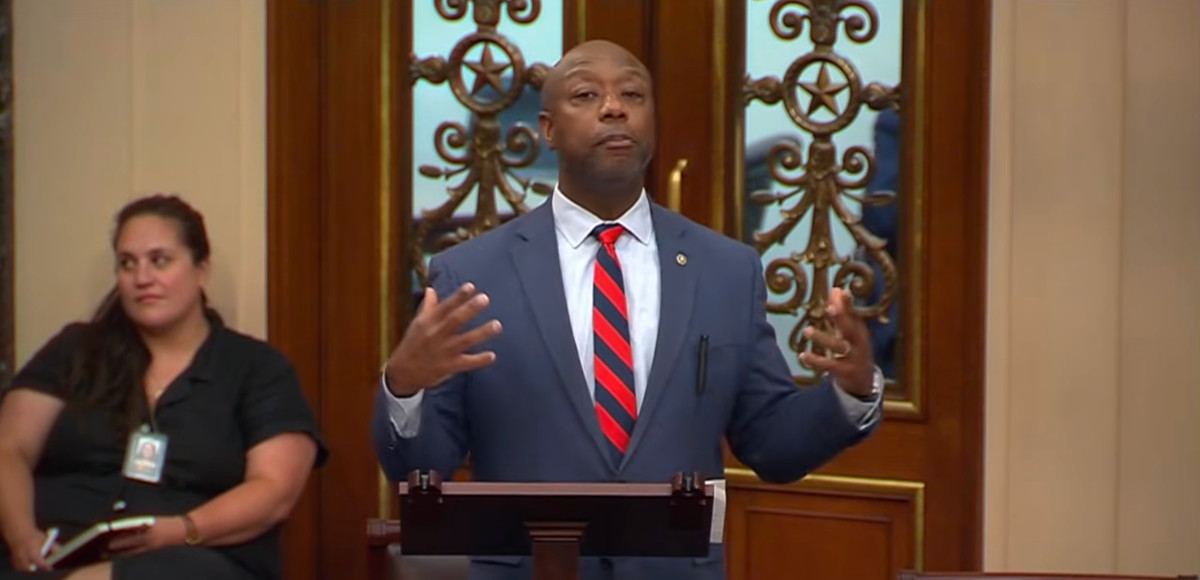
Senate Banking Committee Chairman Tim Scott, a Republican representing South Carolina, shed light on how the bipartisan and bicameral legislation addresses America’s housing affordability crisis.
“If you build more housing, you should get more incentives,” Scott said. “If you don’t build more housing, you should lose those incentives, and they should go to the places that are building more housing. Finally, I’ll say that the House of Representatives did a fine job embedding in this housing legislation important priorities that I believe will make housing more affordable and more accessible, and will help banks, especially community banks, which are the primary places people go for mortgages, become more engaged in this process.”
Some aspects of the bill, including new investor rules, permitting reforms, and disaster recovery allocations, are effective immediately. However, other aspects of the bill that involve more structural changes will be instituted 180 days from the bill becoming law.
The 21st Century ROAD to Housing Act, though quick through Congress in its current form, reflects years of work, Scott said, most notably with Senator Elizabeth Warren, a democrat from Massachusetts, Congressman French Hill, a Republican from Arkansas, and Congresswoman Maxine Waters, a Democrat from California.
The act, which has been called the most significant bipartisan housing reform effort in decades, focuses on expanding housing supply, cutting red tape, and lowering housing costs for American families, is built around “four core pillars”:
- Cutting red tape
- Unlocking housing supply
- Lowering costs for families
- Including no new federal spending
“Public service should not be about those of us in public service. It should be about the journey we took to get here…For me, that journey was as a kid born in poverty to a great mother who believed in faith, perseverance, and opportunity.
“If we do our part, more kids today being raised in situations and circumstances similar to mine might have hope in the American Dream.”
— Senator Tim Scott
It streamlines environmental reviews, modernizes manufactured housing rules, unlocks private investment, updates multifamily financing tools, streamlines construction activities across programs, and limits certain large institutional investors from crowding out families in residential markets.
Senate approval marks the culmination of a volley of housing-related changes in multiple bills that rose from the committee level in multiple arenas and came together in a single package that now nears the finish line.
The bill includes U.S. Senator Amy Klobuchar’s Housing Supply and Affordability Act, which creates a HUD regional housing planning grant program to help states and localities modernize zoning and expand housing development.
“Democrats and Republicans came together to make it easier to afford a home. The 21st Century ROAD to Housing Act will help build more homes, including in rural communities, and stop private companies from buying up homes and raising the price of housing. We need to drive down costs for renters and homeowners, and this legislation will do just that,” Klobuchar said. “This bipartisan legislation includes my bill to give state and local governments the tools and zoning flexibility they need to build more homes. By helping communities remove barriers to building, we can make it easier for Minnesotans to pay their rent and buy a home.”
Manufactured Housing Provisions in ROAD to Housing Bill

On June 17, the Manufactured Housing Institute commended Congress for reaching an agreement on updated language in the bipartisan housing legislation that further addresses the nation’s housing supply challenges, and urged action to get the bill to the White House.
Part of the ROAD to Housing bill is a section that is entitled Manufactured Housing for America.
“[It] underscores the growing recognition of manufactured housing as an essential segment of the nation’s housing market and as a proven source of attainable, unsubsidized homeownership,” MHI stated in the news alert. “This legislation reflects meaningful progress in aligning federal policy with the realities of the housing market and the need to deliver high-quality, affordable homes at scale to help improve affordability nationally.”

MHI, in the statement, also said it particularly appreciated the inclusion of the following measures in the landmark bill:
- Removal of the requirement for all manufactured homes to be built on a permanent chassis
- Clarification on the U.S. Department of Housing and Urban Development as the primary and final regulator for the manufactured housing industry
- Provisions on zoning for manufactured housing
- Expansion of support for small-dollar loans
- Efforts to preserve manufactured housing communities
As the legislation is implemented, it will be important that program rules are structured to ensure that funding is allocated in a manner that is neutral across community ownership models, tied to clear preservation outcomes, and focused on long-term community stability, MHI stated in its June 17 communication. Further, program rules should clarify that an ‘eligible manufactured housing community’ qualifying on the basis that it is resident-owned must provide residents with a direct and beneficial ownership interest in the land — not merely membership or occupancy rights.
“We appreciate the strong bipartisan and bicameral leadership behind this effort and are encouraged by the momentum as the bill moves to the House. We look forward to working with policymakers to see these final steps through to enactment,” MHI CEO Lesli Gooch said following the vote.
MHInsider is the leader in manufactured housing news and is a product of MHVillage, the top marketplace for manufactured housing.