By Steve Dubin
Manufactured homes are built to the HUD Code, not the IRC or IBC. That distinction matters, and it drives how factories design, certify, and produce homes every day.
At the same time, the HUD Code and site-built codes share one important trait. They all define minimum requirements that establish safety, consistency, and a baseline for performance.
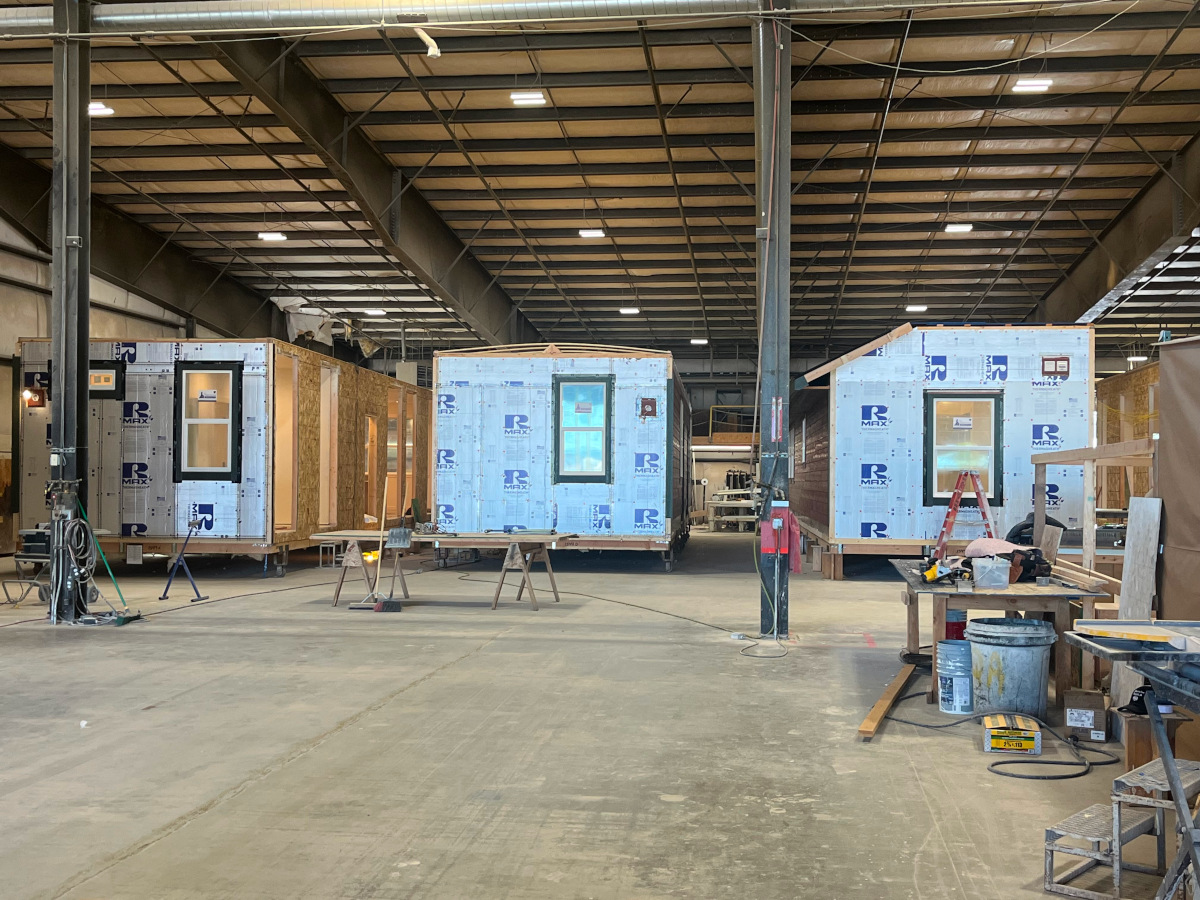
Continuous insulation is not a requirement, but is a practical option for improving comfort, durability, and efficiency in a factory-friendly way.
What Is Continuous Insulation?
Continuous insulation, often shortened to CI, is insulation that runs uninterrupted across framing members. Instead of stopping at each stud, joist, or rafter, CI creates a thermal layer that blankets the structure.
Most manufactured homes rely on cavity insulation, such as fiberglass or mineral wool. These materials can deliver solid nominal R-values, but framing interrupts that insulation. Wood conducts heat far more readily than insulation, creating thermal bridges.
CI reduces that bridging. The result is an assembly that performs closer to its intended value in real-world conditions. Once installed, CI requires little ongoing maintenance. It is rigid, protected by exterior finishes, and does not settle or compress over time.
Common Rigid Insulation Options
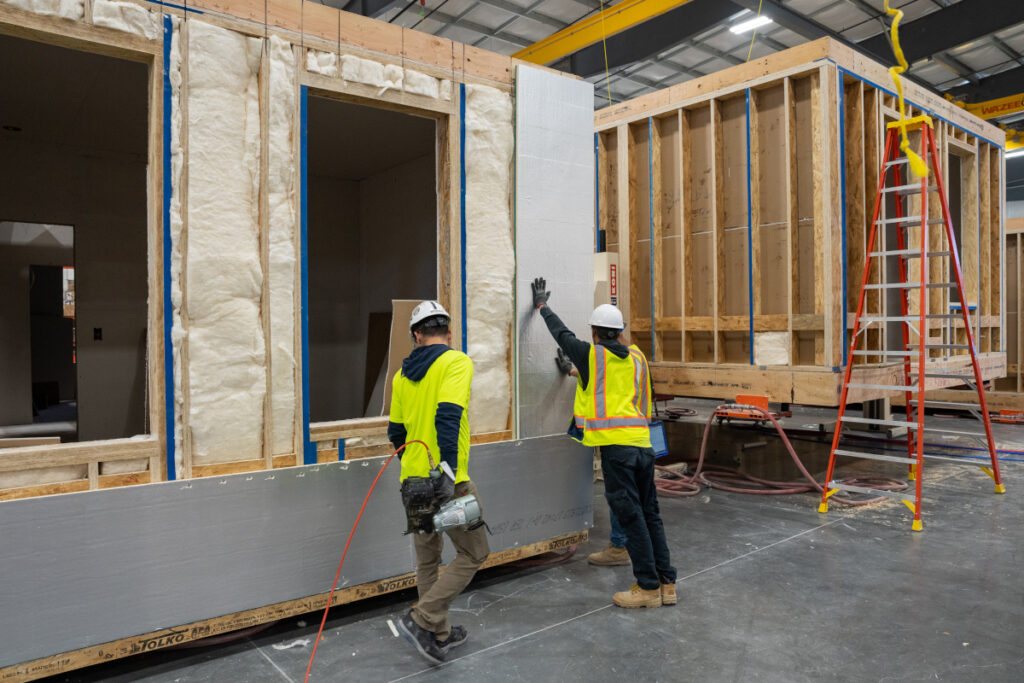
Several rigid insulation products are commonly used to create continuous insulation.
Expanded Polystyrene (EPS)
EPS is widely available and typically lower in cost. It has a lower R-value per inch, so thicker boards are required to achieve higher performance levels. EPS is also more vapor open than other rigid options, which becomes relevant in limited cases where a wall is detailed to dry to the exterior, for example certain cold climate assemblies with structural sheathing behind the foam.
Extruded Polystyrene (XPS)
XPS has a higher R-value per inch than EPS and offers good moisture resistance. Its use as wall insulation has declined in some markets due to cost and environmental considerations, but it is still a very common product for on-site below-grade applications.
Polyisocyanurate (Polyiso)
Polyiso offers the highest R-value per inch of the common rigid insulation types. This allows manufacturers to achieve meaningful thermal improvement with thinner boards. Polyiso is lightweight and typically faced, adding durability and moisture control benefits.
These traits pair well with factory production where space, consistency, and efficiency matter.
The Building Science Benefits
Continuous insulation is not about chasing numbers. It is about controlling heat and moisture more effectively.
By reducing thermal bridging, CI helps keep interior surface temperatures more consistent. Walls feel warmer in winter and cooler in summer, improving occupant comfort. Warmer sheathing also reduces the likelihood of condensation within wall assemblies, supporting long-term durability.
CI can also be applied to the floor system, often referred to as the belly board. The underbelly of a manufactured home is a common source of heat loss and moisture exposure. Adding a continuous insulation layer in this area can improve comfort, protect materials, and reduce energy loss with relatively modest changes to the assembly. These benefits apply regardless of code path. They are simply the result of basic building science.
Why CI Makes Sense for HUD Code Homes
Adding continuous insulation doesn’t mean abandoning HUD Code-compliant designs, but instead, enhances them.
CI can be applied to exterior walls, floors over a steel chassis, or roof assemblies. Even modest layers can improve real-world performance without significantly changing overall design or factory processes.
For manufacturers, CI provides flexibility. It becomes an option for certain product lines, climates, or customer types rather than a universal requirement.
Performance Above Minimum, Financial Upside
Building above minimum performance can unlock financial benefits, depending on location and timing.
ENERGY STAR certified manufactured homes may qualify for federal builder tax credits currently reaching up to $2,500 per home, with higher tiers approaching $5,000 per unit for more advanced efficiency thresholds. Program details vary and change over time, but for manufacturers building at scale, even modest per-unit incentives can help offset the incremental cost of improved envelope performance. These benefits are often a moving-target. Builders should check local and federal benefits for the most up-to-date offerings.
For homeowners and community operators, improved insulation performance often translates into lower heating and cooling costs over the life of the home, improving affordability and long-term value.
Factory Efficiency Considerations
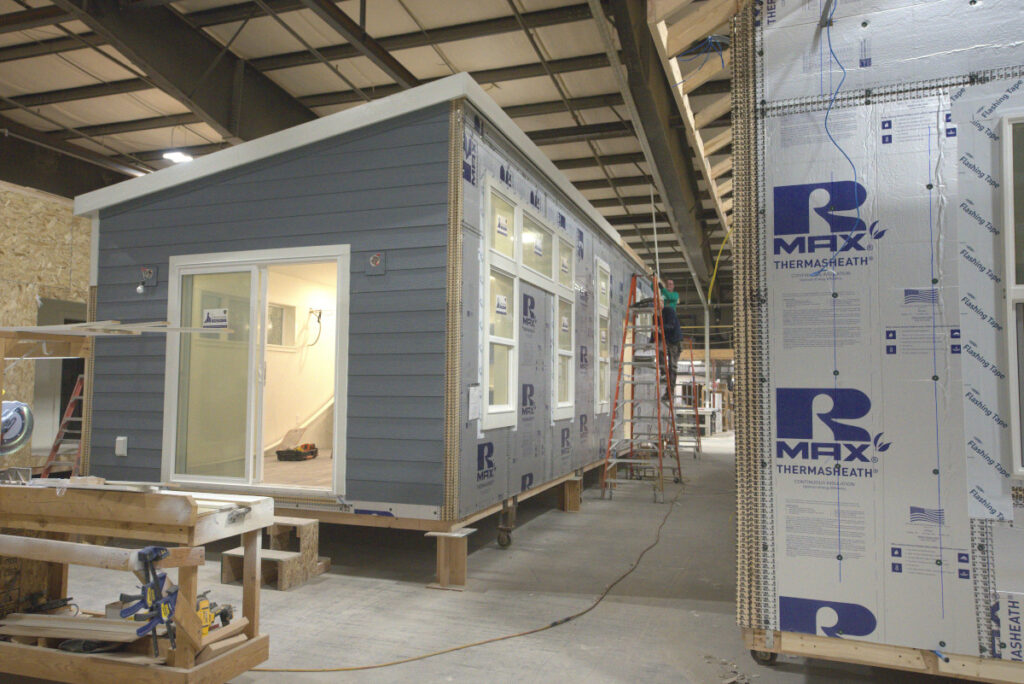
Rigid insulation can integrate cleanly into factory production. Boards are consistent, predictable, and resistant to settling or compression. Thin, high-R materials help control wall thickness and simplify detailing. Exterior CI can reduce reliance on more complex interior cavity insulation strategies.
From an installation standpoint, CI may also require less additional labor than expected. Many window manufacturers now allow windows to be installed directly over continuous insulation without traditional wood bucks, provided compressive strength requirements are met. In those cases, installation looks very similar to conventional methods. Consistency, repeatability, and reduced callbacks matter in a production environment, and CI supports all three.
Environmental Considerations
Improved envelope performance reduces energy demand for heating and cooling over the life of the home. Lower energy use translates into a smaller environmental footprint and supports sustainability goals for manufacturers, developers, and community owners.
A Practical Tool, Not a Requirement (yet)
Continuous insulation is not a trend, and it is not a mandate. It is a practical application of building science that fits well with factory-built housing. The HUD Code establishes a solid baseline today. As expectations around comfort, efficiency, and durability continue to evolve, future code updates may naturally move in this direction. Continuous insulation offers manufacturers and owners an optional, flexible way to build thoughtfully above the current baseline, while also positioning products well for what may come next, without sacrificing factory efficiency.
Steve Dubin is a business development manager for Rmax, a Sika Company. His area of focus is on off-site construction manufacturers. He serves on the board of directors for the Modular Home Builders Association and is a member of the NAHB Building Systems Council. He can be reached on LinkedIn, or directly at dubin.steve@us.sika.com.
MHInsider is the leader in manufactured housing news and is a product of MHVillage, the top marketplace for manufactured housing.