Home Blog Page 47

Development of New Manufactured Housing Communities Picks Up

new manufactured housing community development
Mike Callaghan _fee_based_management
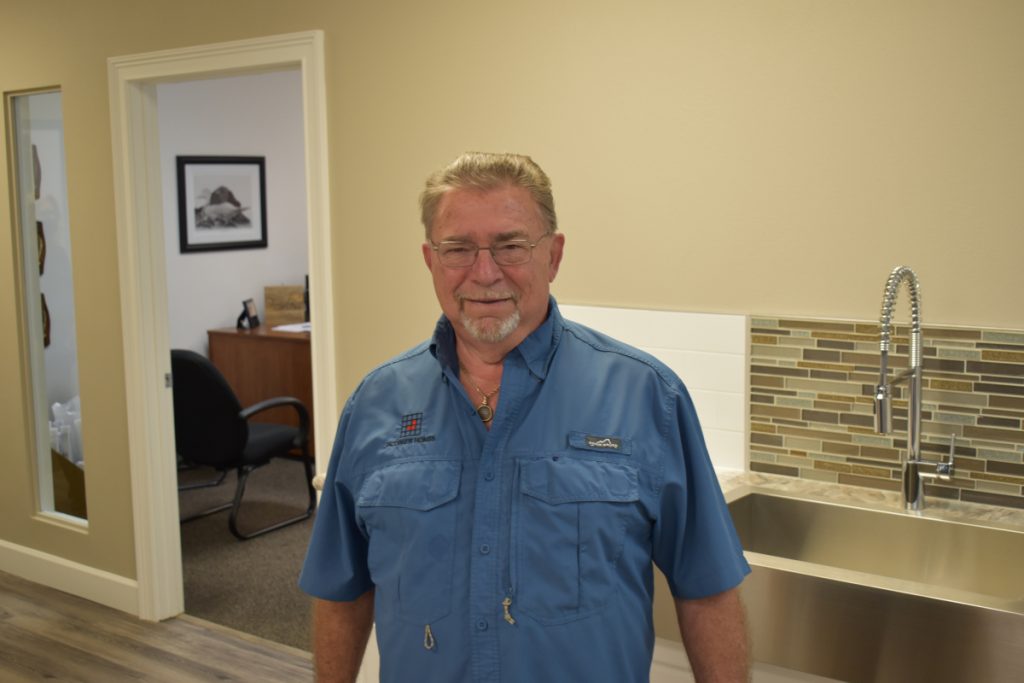
Michael Callaghan, Four Leaf Properties

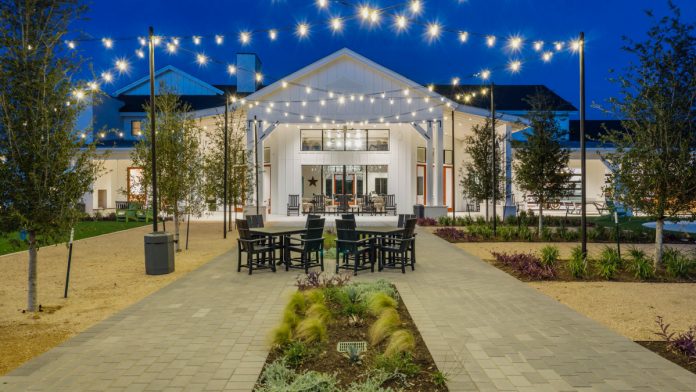
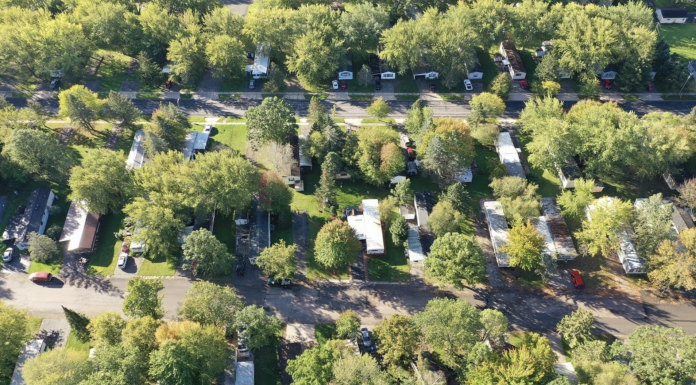
After decades of minimal new development in the manufactured housing community sector the pace is increasing for a variety of reasons, not the least of which is the current stock of aging properties and a need for updated infrastructure and amenities.

New manufactured home communities, built from raw land, have been hampered by zoning difficulties, NIMBY (not in my back yard) pressure, lean access to financing, regulatory burdens, and a general misconception about the value of manufactured housing.

Since 2002, the number of new “ground-up” manufactured housing communities nationwide remains low, something less than 400 nationwide. As a matter of reference, in the 15 years prior there were more than 2,600 such communities built, including 395 in 1986-87 alone.

A New ‘Development’ Business

Michael Callaghan is a managing partner at Four Leaf Properties, an Illinois-based owner and operator of manufactured home communities as well as a professional third-party manager for community owners who desire or require added resources.

Callaghan said he and his team have been working with increased regularity with operators interested in developing new communities, so much so that Four Leaf has formalized a new business unit within the company to manage and pursue that work.

“Cap rate compression and the demand for vacant lots has taken us to a point where we’re now spending almost as much for a vacant lot with 1970s infrastructure as a newly developed lot with new infrastructure,” Callaghan said. “The trick to land sourcing, as an alternative to existing communities, lies in finding a location where the demand for the product is met with an equal amount of municipal support. It’s as if you’re contending with two buyers, the end-user and the municipality. You need to see demand from both sides to make a project viable.”

Callaghan emphasized that community owners have become developers by necessity, driven by the massive shortage of affordable housing. Historically that has been addressed in the manufactured housing industry through the expansion of existing communities. However, that opportunity is gated by limited land for planned expansion and availability of adjacent property that can be acquired and entitled.

Financing for new communities also continues to be a hurdle, but interest rates for commercial real estate loans remain near historic lows. Those rates and the rapidly growing demand for housing, along with housing price escalation, has captured the attention of policymakers and legislators alike.

“Despite the challenges, if you can find the right piece of property, the math works all day long,” Callaghan said. “I don’t think that was the case even five years ago.”

A Strategy Toward New Community Development

Florida, Texas, the Carolinas, Colorado, and Arizona are leaders in recent years among locales for new manufactured housing developments.

Following the sale of Four Leaf’s portfolio in 2018 sale to Yes! Communities, one of the nation’s largest community owners, the company began to aggressively acquire with a development focus in some prime locations.

Four Leaf owns and manages communities in Florida, Indiana, Michigan, and Texas. Callaghan said the new development group currently has about 2,500 sites underway, or in entitlement awaiting development. More than half of those homesites will be available for occupancy home placement and occupancy by the end of the year.

“We learned by executing smaller expansions at several of communities,” Callaghan said. “It was 20 spaces at a time developed a bit informally. Over time, however, we identified the resources and established the processes to take on bigger projects moving forward.”

The development strategy is approached as a joint venture between Four Leaf, the community owner/developer, and local governments. Callaghan said preemptive sales and marketing efforts, thoughtful staging and phasing, a designated construction entrance, and good communication with residents throughout the development cycle are just a few of the keys to success in developing new communities.

One of the largest obstacles in having new communities built during the last 25 years has been the lengthy wait in recovering investment costs

“You don’t have to bite the apple all at once,” Callaghan said. “There is an option for putting in utilities and developing homesites prior to full development of infrastructure and amenities, taking the sting out of the owner and investor wait for return on investment. If you don’t have to incur all your asphalt and concrete costs before the community is filling, you can hold back a lot of your costs. But you have to do it right, and stage it correctly, because you can’t bring in 100 new residents and ask them to live on a construction site for 12 months.”

One of the remaining challenges is getting industry involvement for a new movement, a transition from traditional MH property acquisition to a focus on new developments.

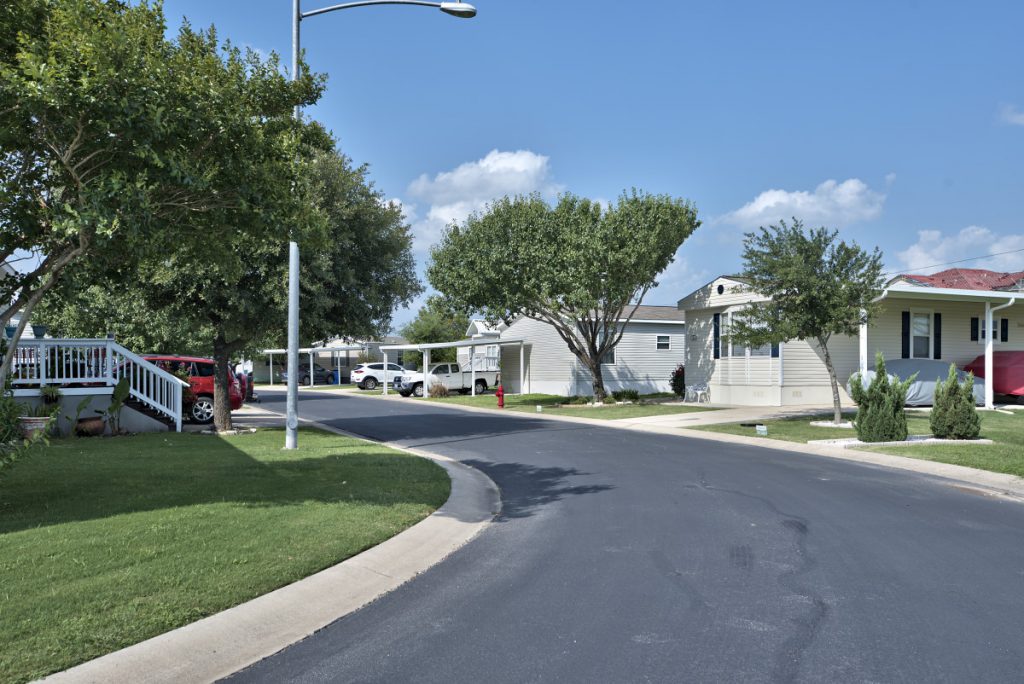
“The MH market has been red hot and no one wants to pour cold water on it, but behind closed doors we’re all recognizing that paying top dollar for obsolescent infrastructure is really dangerous to the health of the business. There has to be a next step in the evolution of the MH industry,” Callaghan said. “We’re at the point where we need to match the modern nature of the home product with modern infrastructure, property design layouts and amenities. Placing six-figure assets on ten-dollar infrastructure is bad, long term, for the industry.

This is the beginning of the end for the first-generation infrastructure, but we’re replacing those old dinosaurs with way better product, better lot configurations, and that translates to a better living experiences for residents,” Callaghan said. “You’ll know we have turned the corner when you see manufactured housing developers coming into a place like metro Detroit where massive housing demand meets a glut of old product and no new supply. All the characteristics for success are in place. That day is coming.”

Design a Winning Sales Center

palm harbor home center design

How to Create a New Comfort Zone for Your Customers

What a difference a year makes!

It’s hard to believe a bit more than year ago we were in Las Vegas at The International Builders Show and Kitchen and Bath Show with over 100,000 of our peers from all across the globe. So many things that we did and enjoyed such a short time ago we wouldn’t dream of doing now.

This year the show was virtual, and despite some technical difficulties, it was a very beneficial and dramatically safer experience than it could have been otherwise.

palm harbor hom center interior design
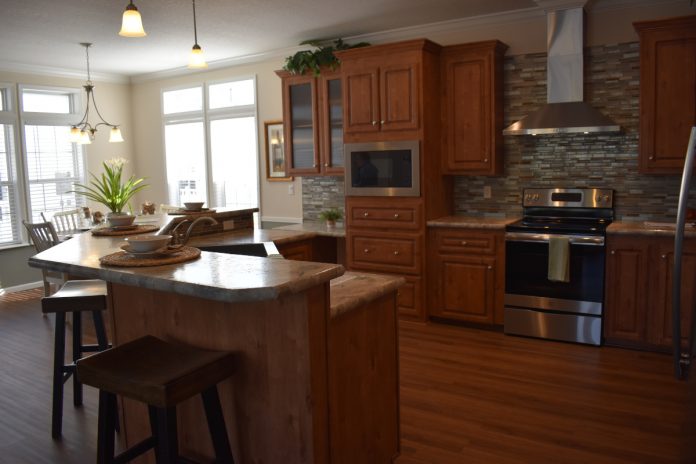
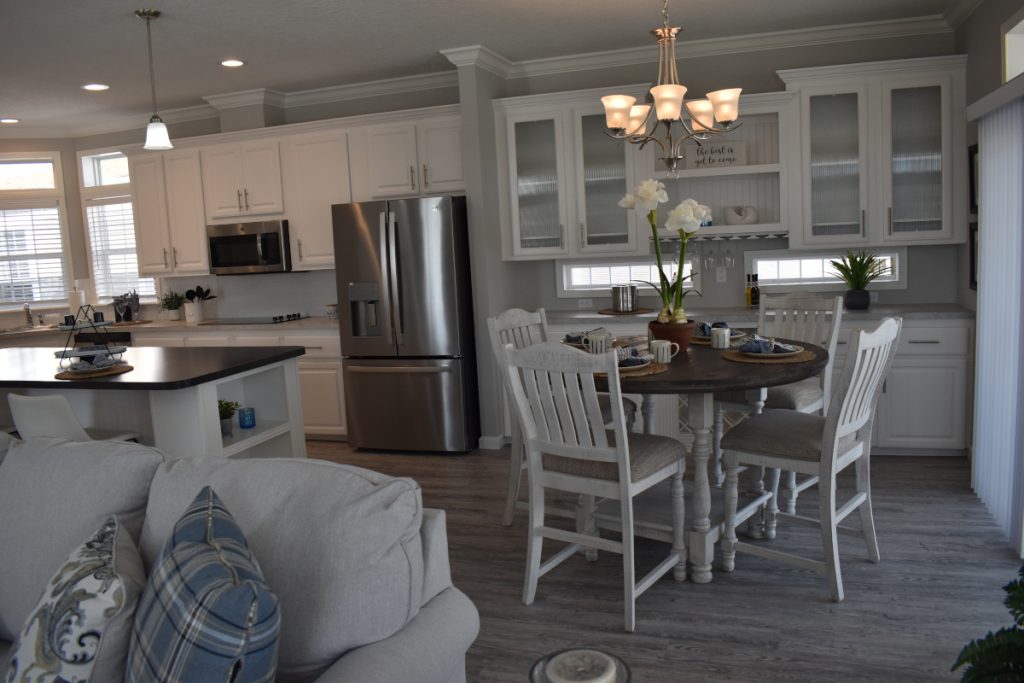
The home center at Palm Harbor’s Plant City, Fla., location is an inviting place where potential homebuyers can find information, see homes, and have their questions answered.

As much as we all want “back to normal” it won’t be happening as soon as we’d like.

The good news is that this has been the year for more reasons than ever in which consumers understand that factory-built homes can be an excellent option for their new home. Being constructed in a controlled environment has a different, even more, positive message than it did even six months ago. I jokingly tell my clients that I have almost put myself out of business — they have been selling the homes that I have merchandised right off of the lot, furniture and all.

As a result, they have fewer homes to show. More homes are sold before they even arrive at the retail centers than ever before. As early as February, it became clear that the manufacturers have backlogs of orders that will keep them busy for the rest of 2021.

How do we use the tools that we have and keep the sales coming?

Your sales office is where you begin your in-person customer experience, perhaps the only physical tool you have for now to sell your homes. Here is a checklist of five things to evaluate within your home center or sales location when you are thinking about selling more homes in 2021.

1.    Welcome Home

When a customer drives past your location, why are they driving past and not coming in? What incentive do they have to spend time with you instead of just doing a Google search and seeing your homes online? A well landscaped and welcoming sales center is a critical investment. Ensure that the paint or siding is fresh and that the office is easily accessible and ADA compliant. Do you have a porch area and furniture where you can sit outside and learn more about the customer and their needs while you look out over the new models? Is there room for more than one family member to wait for a sales team member without feeling uncomfortable?

Creating multiple greeting spaces is a priority right now.

2.    First Impressions

When a customer walks up to your front door, are they greeted by an inviting, well-designed reception area, or is it furnished with sofas and furniture that came out of storage or from a model you sold long ago? The sales center should be one of the first things you think about, not an afterthought. An easy, inexpensive way to greet guests is to have a signboard at the door that you can use to welcome people who have appointments with you— greet your customer on the sign by name, like Welcome Smith Family! This makes your customer know you put time and effort into their visit and it encourages drop-ins to make an appointment next time, as well.

3.    Moving on Up

Breeding discontent with a buyers’ current living situation is a subtle way to help them decide that it is time for a new home of their own. You want the finishes, furniture, and decor in your sales center to be just a step up from what your buyers have, not intimidating, but something they can aspire to. A sales office is a great place to partner with a local furniture store. I am a huge believer in marketing partnerships and giving a complementary company a place to showcase what they offer. This is a win for everyone, including your customer. In return, ask them to promote your business at their location just like you are happy to promote them.

4.    Decision Makers

Treat your sales center like a sales center, not just a place that your sales team spends time between leads. Do you have inspiration or storyboards on the walls? Do you tell your story and why they should be comfortable and buy from you instead of the competition? When I was active in merchandising site-built homes, we often didn’t have an actual home to show prospective clients. We would use actual materials from our homes to build refreshment spaces or tables, the flooring that was available in our homes would be used on the floors in the sales center, and the wall colors would be ones that we currently offer in our homes. I would love to see manufactured home builders do something like this for our retailers.

5.    Closure

Your closure room should be a celebration room; it is where the customers’ dreams come true! Is this a pleasantly designed space, or is it just a corner with old files stored around it? Please don’t let it be the place your team uses to eat lunch. You ask a customer to spend up $100,000 or more with you, please go as far as you are able to let them know they are special and that you appreciate them and their business. Stock a fridge with a non-alcoholic refreshment, like sparkling cider, and have disposable champagne glasses on hand. It’s a beautiful way to celebrate them making one of the most significant milestones in their lives. You and the entire family can participate!

The Palm Harbor Village Model Center in Plant City, Fla., is an excellent example of a well-designed sales center. It has tremendous visibility right on the frontage road of Interstate 4 and is the largest model center in Florida. It is in front of the builder’s manufacturing facility, and the 33 acres and 22 furnished model homes make quite an impression. I have visited a few times and it is always beautifully landscaped with a large lake in the front that some of the houses are sited around. They also do a great job on the website for the center. A factory tour video is highlighted so you can see how your new home will be constructed. There is a lot of information, and they have actual photos of the models at the center – all professionally decorated and displayed. I also love the scrolling “News This Week” on the site where they share and congratulate new Palm Harbor homeowners. It’s a creative, personal touch.

Now is a great time to rethink your sales office strategy for the spring selling season. Don’t be afraid to ask your team and customers for their input as well — a different perspective can make all of the difference in how your view the selling process.

Happy selling!

Neighboring Florida Communities Rise Again to Meet Demand

sandhill shores yes communities demand for housing fla

A  55+ manufactured home community that rose from the ashes in St. Lucie County, a short drive from Fort Pierce, is extending a hand to pull up its adjacent sister community, which will bear a new name and an array of amenities for families in South Florida.

Seventeen years ago residents in St. Lucie County ducked and covered as a system of Atlantic storms — Charley, Frances, Ivan, and Jeanne — pounded the southern coastline, driving area residents from their homes, including those at Sandhill Shores.

“A lot of homes were destroyed and people weren’t able to come back home,” YES Communities Senior Vice President Shawn Harpin said. The Denver-based community ownership group inspected Sandhill and its adjacent property, interested in the possibility of a purchase.

“We went down to get a feel for the asset and the surrounding area,” Harpin said. “I remember saying out loud ‘This is a great location’. You’re a couple of golf strokes from an outdoor recreation area, Savannas State Park, with camping, boating, fishing, and picnic facilities, and it’s a five-minute drive to downtown Fort Pierce.”

main entrance sandhilll shores demand for housing in south florida
Photos courtesy of YES Communities.

The Market is Hot in South Florida

Harpin said if anyone was to inquire in March about the pace of sales — the expectation for continuing to fill one property, and developing another amid the challenges of the pandemic — he would have cringed a little, maybe, and certainly would have hesitated.

Today, the story is told.

Sandhill was about 30% occupied when YES Communities purchased the property in August of 2017, and it since has added about 130 homes.

South Florida demand for housing Sandhill Shores YES Communities

“We are 70% occupied now and we’re hoping to have the community full in the next two years,” Harpin said.

“In this area on average there’s been a 23% in drop in inventory from a year ago. Housing prices are higher than 2006. Additionally, as the impact of the pandemic eases, the demand for housing, especially affordable housing, will increase,” he said.

When the eviction moratorium drops, it’s going to change not just for us, but all around. The demand for housing, especially affordable housing, cannot be overstated.”

Homes at Sandhill Shores come from across the state line in Waycross, Ga., from Clayton’s home building facility there as well as some from the ScotBilt Homes facility.

Sandhill sits on more than 58 acres and eventually will have 375 homesites. It is a gated community, with a gym, shuffleboard, swimming, outdoor pergola kitchen, putting green, horseshoe pit, pickleball, fire pit, and game room.

All of the homes are for sale, Harpin said. But the community does have a small number of park-owned rental homes as well.

The demand for housing is so high that YES is reviewing the option to convert many of the RV slips in Sandhill back to manufactured housing homesites. And it purchased the adjacent community and built a plan to have it complement the existing housing stock for homeowners and renters with families.

The New Community That is Savannas Ridge

The neighboring community to Sandhill, just across a small canal, once was a place called Pleasure Cove. The communities were planned and zoned at the same time, under the same ownership. Pleasure Cove changed hands from its original ownership, was held up by a management company, went into receivership, and was fee-managed for a time before development was halted.

“We knew the company that was looking to sell the property, and Steve Schaub and I were talking about it, and we could tell they wanted something positive to come out of it,” Harpin said.  “We made the purchase, got city approval and right now we are in the assessment stage, cost and timewise, on what it’s going to take to bring this community up to what we want it to be. We are hoping by the fourth quarter of ‘21 we’re breaking ground.”

The community has underground utilities and a former clubhouse with “good bones”. Savannas Ridge and its 32 acres will have 209 homesites, a renovated clubhouse, swimming, and a playground for individual residents and south Florida families.

Two Manufactured Home Communities with Ties to Open Land

“We want to work with the city to provide a connection from the communities to the city greenbelt,” Harpin said. “That’s been part of the vision from the beginning, and it’s something I feel confident we can achieve given the relationship we have with the city and surrounding community.

Harpin said some of YES’ success in the area is attributed to is the city’s realization that YES is a  partner with many of the same goals, not just an organization looking to get in, win a buck, and get out.

The connection between what Savannas Ridge will be and what the public recreation area is creates a lifestyle mix that both retiree residents at Sandhill and all-ages residents the emerging community value.

The locale is the common denominator that will make each property a success.

“Savannas Recreation Area is a rare wilderness area, and just happens to be our neighbor in Fort Pierce,” Harpin said.

Top 50 Manufactured Housing Community Owners

50 Top Manufactured Home Community Owners and Operators
Sun Communities ranks among the top community owners measured by number of homesites.

Manufactured Home Communities Ranked in Order by Largest Number of Homesites

owners investors what's the deal
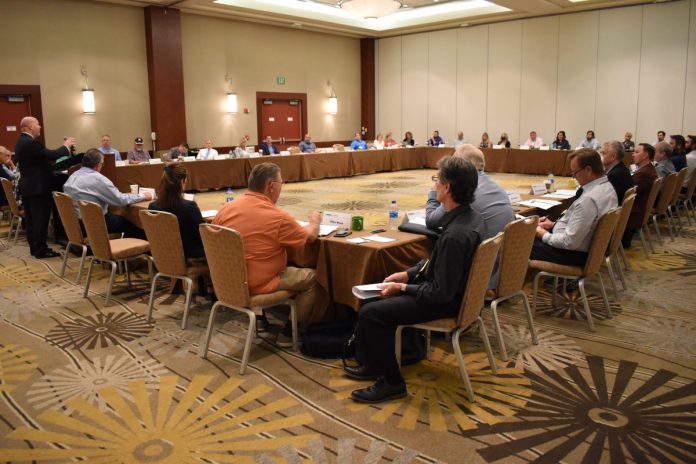
Attendees at the NCC Spring Forum in Las Vegas look over MHI’s display of the Top 50 Manufactured Housing Community Owners.

The National Communities Council is a leading organization in the manufactured housing industry, representing the community owners, operators, managers, developers, lenders, and suppliers.

NCC is a division of the Manufactured Housing Institute, the only national advocacy organization representing all facets of the manufactured housing industry. In most years, MHI announces the top community owners during the NCC Spring Forum at the Congress and Expo of Manufactured and Modular Housing, often held in Las Vegas.

The NCC serves its members by being an effective advocate with policymakers, media, and the general public. It strives to improve the business climate for its members by increasing professionalism and education within the industry. The NCC also is among the industry’s most reliable sources of data used to create more opportunities for the successful development, operation, and marketing of land-lease communities.

Top 50 MH Community Owners and Operators

  1. Sun Communities, Inc. – Southfield, Mich. – 83,294 homesites
  2. Equity LifeStyle Properties, Inc. – Chicago – 73,700 homesites
  3. RHP Properties, Inc. – Farmington Hills, Mich. – 60,163 homesites
  4. YES! Communities – Denver – 47,278 homesites
  5. MHP Funds, LLC – Cedaredge, Colo. – 31,652 homesites
  6. Hometown America – Chicago – 24,355 homesites
  7. UMH Properties, Inc. – Freehold, N.J. – 20,000 homesites
  8. Lautrec, Ltd. – Farmington Hills, Mich. – 19,150 homesites
  9. Newport Pacific Family of Companies – Irvine, Calif. – 17,375 homesites
  10. Kingsley Management Corporation – Provo, Utah – 16,000 homesites
  11. Cal-Am Properties, Inc. – Costa Mesa, Calif. – 14,631 homesites
  12. Meritus Communities – Bloomfield Hills, Mich. – 13,964 homesites
  13. Bessire & Casenhiser, Inc. – San Dimas, Calif. – 13,863 homesites
  14. J & H Asset Property Mgt., Inc. – Yorba Linda, Calif. – 13,802 homesites
  15. Continental Communities – Oak Brook, Ill. – 11,640 homesites
  16. Investment Property Group – Irvine, Calif. – 11,500 homesites
  17. Zeman Homes – Chicago – 11,103 homesites
  18. Shapiro Real Estate Group – Farmington Hills, Mich. – 10,267 homesites
  19. Horizon Land Co. – Crofton, Md. – 10,200 homesites
  20. Inspire Communities – Gold River, Calif. – 10,149 homesites
  21. ParkLand Ventures, Inc. – Glen Ellen, Va.- 9,866 homesites
  22. Newby Management – Ellenton, Fla. – 8,052 homesites
  23. Harmony Communities – Vancouver, B.C. – 7,888 homesites
  24. Nodel Parks – Southfield, Mich. – 7,880 homesites
  25. Riverstone Communities – Bloomington, Mich. – 7,500 homesites
  26. KDM Development Corporation – Pittsford, N.Y. – 7,500 homesites
  27. Garden Homes Management Corp. – Stamford, Conn. – 7,342 homesites
  28. SSK Communities – Erlanger, Ken. – 7,018 homesites
  29. MHPI, Inc. – Des Plaines, Ill. – 7,002 homesites
  30. Stonetown Capital – Denver – 7,000 homesites
  31. The Four Leaf Companies – Oak Brook, Ill. – 6,805 homesites
  32. Ascentia Real Estate Holding Co., LLC – Littleton, Colo. – 6,777 homesites
  33. Commonwealth Real Estate Services – Portland, Ore. – 6,701 homesites
  34. Westwind Enterprises, Ltd. – San Jose, Calif. – 6,473 homesites
  35. Heritage Financial Group – Elkhart, Ind. – 6,305 homesites
  36. Sierra Corporate Management – Anaheim, Calif. – 6,000 homesites
  37. Choice Properties, Inc. – Troy, Mich. – 5,850 homesites
  38. Storz Management Company – Orangevale, Calif. – 5,772 homesites
  39. Asset Development Group, LLC – Menononee Falls, Wis. – 5,216 homesites
  40. HomeFirst Certified Communities – Birmingham, Mich. – 5,176 homesites
  41. Santiago Communities, Inc. – Santa Ana, Calif. – 5,100 homesites
  42. Jensen’s, Inc. – Southington, Conn. – 4,868 homesites
  43. Les Frame Management – Redondo Beach, Calif. – 4,613 homesites
  44. Thesman Communities – Los Angeles – 4,316 homesites
  45. The Carlyle Group, Inc. – West Hollywood, Calif. – 4,000 homesites
  46. Ravinia Communities LLC – Northbrook, Ill. – 3,983 homesites
  47. Murex Properties, LLC – Fort Myers, Fla. – 3,976 homesites
  48. Blair Group – Lakeland, Fla. – 3,866 homesites
  49. FolletUSA – Gold River, Calif. – 3,571 homesites
  50. Santefort Real Estate Group, LLC – Westmont, Ill. – 2,945 homesites

-NCC Top 50 Manufactured Home Community Owners most recent reported data is from 2018

Retail Sales Sizzling in the South

Photos courtesy of Regional Homes

In 27 retail sales locations across the South and toward the mid-Atlantic, Regional Homes Senior Vice President of Operations Charles Stricklin is witnessing a trend among homebuyers: There are more of them, and they want to move in today.

“It’s just been escalating, particularly over the last two years,” Stricklin said. Regional Homes, based in Flowood, Miss., runs the majority of its retail home sales operations in the state, though they also have locations in Alabama, Florida, Louisiana, and North Carolina.

The organization employs about 200 people, and last year they moved about 2,500 homes.

“The whole year in 2020 just continued to improve, improve, and improve in sales. No one thing happened that blew us up; it’s just been consistent growth,” he said.

Actually, each of the last three years has proven to be new record-sales years for Regional Homes. Sales in 2020 were up 10% from the prior year, Stricklin said. And while the buyers are aplenty, the most notable change in recent years has been the diversity of the buyer and their willingness to take advantage of the current financing terms.

Regional Homes customer home tours
Regional Homes provides manufactured homes for customers in four states, has a broad customer base and meets a wide range of homebuyer needs.

“I’ve been in the business 33 years, and I’ve been in this market from Texas to Florida, too, and what I see happening here, now, it’s more of an increased ability to purchase driving this,” he said. “The rates are very amicable for buyers today. The lower payment allows a customer to buy when they might not have been able or willing before, and those who are more firmly in the market are in a position to buy more house.

“A customer with strong credit and a good down payment can get a rate on a 23-year chattel loan at about 5%,” Stricklin said. “If you had that same really strong customer three years ago, you could get a 7 or 7.5% rate, and that makes a big difference in your monthly.” According to Stricklin, it is similar with a customer who has some debt, or doesn’t have as good credit, or as solid of a down payment; the rate three years ago would have been 12%, now it’s 9%.

Regional Homes sales lot inventory

Up to the Challenge

Of course, operating conditions in 2020 and early 2021 have been less than favorable, with coronavirus precautions putting a strain on production and the myriad of unique considerations needed for meeting with potential buyers.

“But we’ve got good partners in manufacturing, and we’ve bought in volume to try to counter that aspect,” Stricklin said of the extended backlog. “We still have to wait longer than we want, but because of those relationships, I feel like we’re able to do better than many retailers can from order to delivery.”

Backlogs and wait times were growing well before the pandemic, too. This compelled Regional Homes founder and President Heath Jenkins in 2018 to become a minority investor and part-owner in Hamilton Homes in Alabama, thus securing a regional segment of the production pipeline. For years, Regional Homes has also done business with Cappaert, Champion, Deer Valley, and Winston Homes to keep a wide array of offerings available for their manufactured home buyers.

What Are Homebuyers in the South Asking?

Regional Homes home center sign

Stricklin said a majority of Regional Homes’ sales are single-section homes, often entry-level homes for first-time homebuyers, with a mix of empty nesters as well. Most buyers have land waiting, so land-home financing is about 20% of the business, with chattel lending making up the remainder.

“Kitchens and master bathrooms still sell homes, and family space would be the next consideration,” Stricklin said. “Those are the driving factors for most of our customers.

“We have one of the best and educated teams in the country when it comes to providing a variety of financing options and putting the buyers into the right house,” Stricklin said.

Many first-time buyers in the area were gifted or inherited land, such as split parcels that can be used as a downpayment. And the minimal zoning and regulatory climate in most of the small towns and rural areas of the South make it easier to place a manufactured home.

Regional Homes gets many of its entry-level homes from Hamilton, Cappaert, and Champion’s facility in Benton, Ky. Stricklin said buyers in the Florida Panhandle and the newly opened markets in North Carolina are more likely to ask for multi-section or modular homes. Regional Homes buys those homes from Deer Valley, Winston, and Champion’s facility in Dresden, Tenn., to satisfy that demand.

“We have plenty of customers who want what they want, and they’re willing to pay for it,” he said. “They’re looking for a last-purchase home with some higher-end materials. Deer Valley buyers are nearly all what you might call a custom home buyer, which is 5 to 8% of our sales, but it’s growing, and it’s largely because of those interest rates.”

In fact, the higher-end Deer Valley, Winston, and Champion homes begin to hit a price-point that almost competes with the site-built market. Regional Homes offers diversified product lines to meet customers’ wants and desires in each market,  and the number of markets continues to grow.

“We’re happy to have expanded our footprint,” Stricklin said. “We’ve worked hard. This year, 2021, will be our first full year with North Carolina, one location, and we added three locations in Louisiana last year.”

JLT Manufactured Home Community Market Reports Available for Alabama, Georgia

Garden West Estates April Rent Dog Walker Manufactured Housing Industry

April JLT Reports for mobile home rent comps in Alabama and Georgia are available now for purchase, including immediate download through Datacomp, the national leader in manufactured home and mobile home valuation and community data.

JLT Market Reports provide detailed research and information on communities in 186 housing markets throughout the United States. These include the latest rent trends and statistics, marketing programs, and a variety of other useful management insights.

Datacomp maintains and provides the JLT Market Reports and is the nation’s #1 provider of market data for the manufactured housing industry. JLT Market Reports are recognized as the industry standard for manufactured home community market analysis.

The April 2021 manufactured housing market data published in JLT Market Reports for Alabama and Georgia include information from four markets on 68 “All ages” and “55+” manufactured home communities.

Altogether, the reports from Alabama and Georgia manufactured home communities include data representations for 15,810 homesites.

Regional Trends in Manufactured Housing Community Rent, Occupancy

  • South region manufactured home communities show a year-over-year 4.5% increase in average adjusted rent.
  • South region manufactured home communities show a year-over-year 0.9% increase in occupancy rate.

What’s in JLT Market Reports?

Each JLT manufactured home community rent and occupancy report from Datacomp has detailed information about investment-grade communities in the major markets. The detailed information includes:

  • Number of homesites
  • Occupancy rates
  • Average community rents, and increases
  • Community amenities
  • Vacant lots
  • Repossessed and inventory homes, and much more

JLT Market Reports also include management insights that rank communities by the number of homesites, occupancy rates, and highest to lowest rents. Established reports show trends in each market with a comparison of April 2021 rents and occupancy rates to April 2020, as well as a historical recap of rents and occupancy from 1996 to the present date in most markets.

The April 2021 JLT Market Reports for Alabama and Georgia manufactured home communities are available for purchase and immediate download online at the Datacomp JLT Market Report website, or they may be ordered by phone in electronic or printed editions at (800) 588-5426.

Each fully updated report for mobile home communities is a comprehensive look at investment grade properties within a market, enabling owners and managers, lenders, appraisers, brokers, and other organizations to effectively benchmark those communities and make informed business decisions.

April is Fair Housing Month

The month of April is designated by the U.S. Department of Housing and Urban Development as Fair Housing Month, with the 2021 theme “Fair Housing: More Than Just Words”. HUD Secretary Marcia Fudge said the theme reflects the Biden-Harris Administration’s commitment to advancing equity in housing and the importance of increasing public awareness of everyone’s right to fair housing.

Familial status and fair housing

“Fair Housing Month is a time to recommit to our nation’s obligation to ensure that everyone has equal access to safe, affordable housing,” Fudge said.

Fudge said the mission continues to guard against housing discrimination in the form of individuals and families being denied a place to call home because of the color of their skin or where they come from, landlords refusing to allow persons with disabilities to keep assistance animals, individuals being denied a place to live because of who they love.

“In this moment of unprecedented crisis, fair housing is more important than ever,” Fudge said. “Fifty-three years after the Fair Housing Act was signed, our journey to justice in housing continues.”

Each April, HUD, local communities, fair housing advocates, and fair housing organizations across the country commemorate Fair Housing Month by hosting an array of activities that highlight these ever-important and continued efforts.

The month is used to provide a dedicated time in which housing professionals, advocates, and activists can collaborate to enhance the awareness and understanding of fair housing rights and to end housing discrimination.

Secretary Fudge will commemorate Fair Housing Month with a virtual celebration on April 7th at 2 p.m. Eastern time that also will feature the Justice Department’s Principal Deputy Assistant Attorney General Pamela Karlan, HUD Acting Assistant Secretary for Fair Housing and Equal Opportunity Jeanine Worden, and HUD Senior Adviser Alanna McCargo. 

Last year, HUD and its Fair Housing Assistance Program partner agencies received more than 7,700 complaints alleging discrimination based on one or more of the Fair Housing Act’s seven protected classes: race, color, national origin, religion, sex, family status, and disability. During that period, the categories with the highest number of complaints were disability and race, respectively. HUD also received complaints that alleged lending discrimination as well as numerous complaints from women who faced unfair treatment, including sexual harassment.

“Although the Fair Housing Act became law in 1968, we still have major challenges ahead of us,” said Jeanine Worden, HUD’s acting assistant secretary for fair housing and equal opportunity. “This April, on the 53rd anniversary of the Fair Housing Act, HUD is renewing its commitment to level the playing field so every person has the same opportunity to live where they choose and benefit from all of the opportunities this nation offers.”

Investigation Continues into Orange, Calif., Fatal Shootings at Unified Homes

Tovar and Raygoza Unified Homes Shooting victims
Luis Tovar and daughter Jenevieve Raygoza in an undated family photo.

A mass shooting in Orange, Calif., has sent shockwaves through the manufactured housing industry and within the small Southern California city where it occurred on the afternoon of March 31 at Unified Homes. Four people were killed, and two more injured, including the suspect who is hospitalized following a shootout with police.

Survivor Blanca Tamayo
Matthew Farias
Leticia Solice

Unified Homes owner Luis Tovar, his daughter Jenevieve Raygoza, 28, Leticia Solice, 58, who is was a Unified agent, and Matthew Farias, 9, were killed.

Blanca Tamayo, Farias and Raygoza’s mother, survived the attack.

Police said the alleged shooter used a bicycle cable and lock to block the exterior gates to the business prior to entering. Police engaged in a shootout with Aminadab Gaxiola Gonzalez, who was shot.

The officers were uninjured. Gonzalez has been charged with four counts of murder and three counts of attempted murder.

Karla Maria Tovar, Luis Tovar’s wife as well as an agent with Unified Homes, spoke with local media. She explained how she was attempting to shield their 10-year-old son from at least some of the grief from the loss of someone she described as a model husband and father. She also vowed to keep Unified Homes operating.

“Unified Homes is going to go forward,” Karla Maria Tovar told the Daily News. “I don’t know how (I’ll do it), but I will.”

Investigators said Gonzales had either professional or personal relationships with each of the victims. He had been in a relationship with and long-estranged from a broker assistant with Unified Homes, Aleyda Mendoza, who in media reports stated that she had no understanding of what could have motivated the shooting.

“I can’t understand what went through his head to make such a terrifying decision,” Mendoza said in a quote from the Associated Press. “He left behind a sea of pain and grief for so many families who can’t find comfort.”

The Farias family has set up a GoFundMe page to try to abate funeral costs for the the 9-year-old victim, who had been a student at Hoover Elementary School in Santa Ana.

“As members of the manufactured housing industry family, we are all affected by this senseless tragedy,” Newport Pacific Companies Marketing and Regional Manager Maria Horton said. “Our thoughts and prayers go out to the families who lost loved ones in this horrific disaster.”

Introducing the Manufactured Housing REITs Report

UMH Properties MH REITs Report invest
A UMH Properties community in Ohio. Photo courtesy of UMH Properties.

Investing In Manufactured Housing REITs

The research team at Hoya Capital Real Estate is excited to begin a quarterly column published in partnership with MHInsider to provide insight and commentary on publicly-traded manufactured housing stocks. Every quarter, we’ll publish an update to discuss the stock performance, earnings results, and major news and events reported by manufactured housing real estate investment trusts, or MH REITs.

Overview of MH REITs

Manufactured housing REITs have been the single-best performing REIT sector since the start of 2010. Manufactured housing REITs have emerged over the past decade from relative obscurity into several of the largest publicly-traded owners of real estate in the world.

There are three publicly-traded Manufactured Housing REITs that account for roughly $30 billion in market value: Equity Lifestyle (ELS), Sun Communities (SUI), and UMH Properties (UMH).

Manufactured Housing REITs collectively own roughly 350,000 manufactured housing and RV sites across the United States with a portfolio skewed towards higher-end communities with a more “retiree-oriented” demographic than the all-ages community. Through a series of acquisitions, Equity Lifestyle and Sun Communities have recently expanded into boat marinas as well while the smaller UMH Properties has retained its “pure-play” focus on traditional manufactured housing communities.

From an investment perspective, despite their high growth rates, MH REITs are a traditionally defensive and countercyclical sector due to the “sticky” nature of MH demand and cash flows. As a result, MH REITs are less affected by economic growth expectations, but more affected by changes in long-term interest rates. While these REITs are not known for their high dividend yields, they have delivered some of the strongest rates of dividend growth of any REIT sector.

MH REITs Stock Price Performance

In the real estate sector, three themes dominated the 2010s.

  • The Housing Shortage
  • The Retail Apocalypse
  • The Internet Revolution

No REIT sector has benefited more from the affordable housing shortage than MH REITs, which produced an incredible 22% annual compound total returns from 2010 through 2020.

Manufactured housing REITs outperformed the broad-based Equity REIT Index for a remarkable eighth-straight year in 2020, the longest streak of outperformance for any property sector since the dawn of the “Modern REIT Era” in the early 1990s.

First Quarter 2021 MH REITs Performance

MH REITs have uncharacteristically underperformed in early 2021 even as fundamentals remain as strong as any property sector. Pressured by the post-vaccine ‘REIT Reopening Rotation’ that has sent shares of the hardest-hit pandemic-sensitive REIT sectors soaring, “essential” property sectors – housing, technology, and e-commerce – have lagged this year.

Through the first quarter of 2021, MH REITs are higher by just 1% compared to the 9% gains from the broad-based REIT Index. UMH Properties has been a winner this year, however, with gains of more than 30%.

Quarterly Earnings Report

Limited supply and strong demand have driven stellar fundamental performance for MH REITs over the past decade, as these three companies have reported some of the best growth metrics of any REIT. Fourth-quarter earnings reports showed that same-store Net Operating Income (“NOI”) growth rebounded to end the year higher by roughly 3% following a pandemic-related hiccup in mid-2020. By comparison, the total equity REIT sector saw a -5.1% decline in same-store NOI in full-year 2021, the worst year on record for REITs.

The headwinds observed during the peak of the pandemic in mid-2020 – the shutdown of RV parks and the slowdown in RV and manufactured housing sales – have swiftly become tailwinds amid a broader revival across the U.S. housing industry and other WFH-related industries. The vast majority of manufactured housing residents stayed current on their rents despite rent deferment plans made available by ELS and SUI. Occupancy rates ticked higher by another 95 basis points in Q4 while “core” manufactured housing rents increased by 3.6%.

Growth in funds from operations – the earnings per share “equivalent” for REITs – is driven by the combination of same-store “organic” growth and by external growth through acquisitions and new development. Forward guidance was particularly impressive as ELS and SUI project that NOI will rise by an average of 6.1% in 2021, powering a rise in Funds From Operations (“FFO”) of more than 10% – which would likely be one of the strongest growth rates in the REIT sector.

Growth in funds from operations – the earnings per share “equivalent” for REITs – is driven by the combination of same-store “organic” growth and by external growth through acquisitions and new development.

Forward guidance was particularly impressive as ELS and SUI project that NOI will rise by an average of 6.1% in 2021, powering a rise in Funds From Operations (“FFO”) of more than 10% – which would likely be one of the strongest growth rates in the REIT sector.

Utilizing a strong cost of equity capital, these REITs have continued to grow externally by adding units to existing sites and by growing via acquisitions and site expansions. MH REITs acquired more than $1 billion worth of properties over the last year, largely in one-off acquisitions while disposing of just $10 million in assets. The most significant deal in 2020 was Sun Communities’ $2.1B purchase of Safe Harbor Marinas, which owns and operates 101 institutional-quality boat marinas.

Average MH REIT Growth

MH REITs Net Acquisitions

MH REITs Key Takeaways

Pressured by the ‘REIT Reopening Rotation,’ MH REITs have uncharacteristically underperformed in early 2021 even as fundamentals remain strong. “Work From Anywhere” trends have powered a surge in RV, boat, and second-home sales which have provided an added external growth tailwind while same-store “organic” growth metrics remain impressive. The outlook for 2021 remains favorable with MH REITs providing guidance indicating an acceleration in earnings growth and we expect the “essential” property sectors – housing, technology, and e-commerce – to be a bright-spot again this year.

MH REITs: Terms Defined

FFO (Funds From Operations): The most commonly accepted and reported measure of REIT operating performance. Equal to a REIT’s net income, excluding gains or losses from sales of property and adding back real estate depreciation.

AFFO (Adjusted Funds From Operations): A non-standardized measurement of recurring/normalized FFO after deducting capital improvement funding and adjusting for “straight line” rents.

NOI (Net Operating Income): Typically reported on a “same-store” comparable basis, NOI is a calculation used to analyze the property-level profitability of real estate portfolios. NOI equals all revenue from the property, minus all reasonably necessary operating expenses.

Hoya Capital Disclosures

I am/we are long ELS and SUI. I am not receiving compensation for it. It is not possible to invest directly in an index. Index performance cited in this commentary does not reflect the performance of any fund or other account managed or serviced by Hoya Capital Real Estate. Nothing on this site nor any published commentary by Hoya Capital is intended to be investment, tax, or legal advice or an offer to buy or sell securities. Information presented is believed to be factual and up-to-date, but we do not guarantee its accuracy and should not be considered a complete discussion of all factors and risks. A complete discussion of important disclosures is available on our website www.HoyaCapital.com.

Planning Today’s Manufactured Home Community Expansions, New Developments

After more than 50 years planning manufactured housing communities, RV resorts, subdivisions and miscellaneous other projects one would think I have seen everything. However, in this unique and difficult time, we have never been busier than ever. Leading the way, manufactured home communities and RV resorts are causing us to work overtime.

Home Appearance community expansions
Professional Planner Donald Westphal

Why is this?

With manufactured housing, I believe there is no better solution to the affordable housing crisis.  Our work in response to this need comes in two areas: Upgrading and expansion of existing communities and planning new greenfield communities. Community upgrades are difficult planning projects since many of the older communities were built for smaller homes and are under older, less restrictive ordinances. Reconfiguring these smaller homesites for larger homes often results in a loss of density and a resulting loss of revenue. However, many of these older communities are well located since when originally built they were on the outskirts and development has grown around them, leaving them in very desirable locations. They also are targeted for what some consider “higher and better uses”, yet, in most cases, zoning for expansion and upgrades is less difficult to achieve.

New Communities Present the Other Option

New Greenfield projects are another story. Zoning for these developments, in my experience, is as difficult as ever even though community officials most often readily admit they have a shortage of modestly priced housing.

With proper preparation and planning, gaining the required zoning can be accomplished.

Our company has outlined the process in presentations at industry events and most recently in an MHI webinar. A successful process begins with great planning. One must understand the ordinance requirements, the approval process, the players, and the planning staff. A great site plan in accordance with the local ordinance and conforming to the particular site features is essential. Listening in the early stages of conversations with staff and officials and incorporating their ideas, where possible, helps to give them ownership in the plan. This can be very advantageous. We must understand that the zoning process is a marketing job, in convincing the decision-makers that the project will be one that they will be proud of for years to come. One will never have an opportunity to market homes to the public if we do not properly market the project in the zoning and site planning process.

RV resort planning likely is of less interest to readers of this publication, though many manufactured home community developers also develop and operate RV parks, including blended properties that offer both homesites and RV hospitality. These projects can face planning and zoning challenges that are similar to what we face in housing. The pandemic has resulted in a tremendous rise in RV use and a significant increase in the demand for our services in this venue.

Fortunately, my firm after 50 years has joined forces with the Nadi Group and is well-positioned to assist clients, new and old. We can and will meet surge in demand with our expanded staff and the ability to provide details beyond the master plan stage of a project. The Nadi group provides these services to clients nationwide.

Good Luck and stay safe.

EVENTS

hall of fame elkhart mh rv

Introducing the 2026 RV/MH Hall of Fame Inductees

Aug. 17 Induction Dinner in Elkhart to Honor Five from Each Industry In August, the RV/MH Hall of Fame will celebrate the 2026 class of...
MHI CE expo hall vegas manufactured housing meeting

Manufactured Housing Industry Convenes in Las Vegas for MHI’s 2026 Congress and Expo

More than 1,500 manufactured housing professionals are expected in Las Vegas April 7-9 as the Manufactured Housing Institute’s Congress and Expo returns to the...

Biloxi Show Shapes Up to be Bigger Than Ever in 2026

With more homes, more exhibitors, and more buzz than ever before, the 2026 Biloxi Show is expanding, and fast.  The Biloxi Manufactured Housing Show &...