Home Blog Page 72

Datacomp Releases 2019 JLT Manufactured Home Rent & Occupancy Reports for 192 NY, NH, Maryland Communities

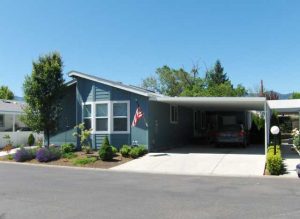
March 2019 JLT Cinnamon Woods
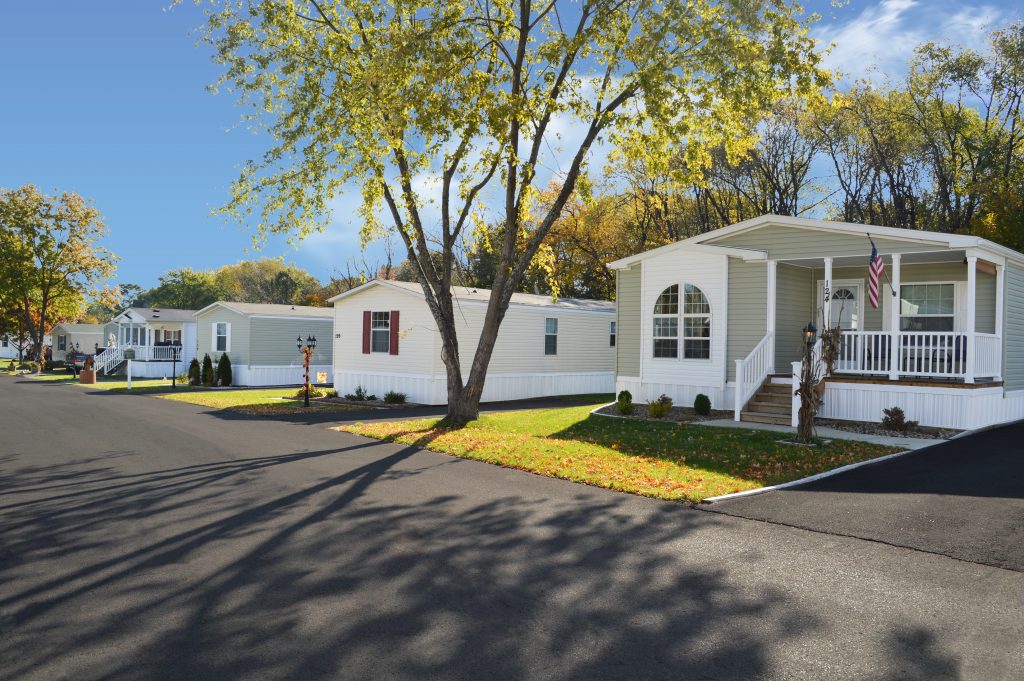
Cinnamon Woods in Conowingo, N.H. Photo courtesy of UMH Properties.

March 2019 JLT Reports Include Information on 36,320 Homesites From Six East Coast Markets

March 2019 JLT ReportDatacomp, publisher of JLT Market Reports and the nation’s #1 provider of market data for the manufactured housing industry, today announced the publication of its March 2019 manufactured home community rent and occupancy reports for New York, New Hampshire and Maryland.

Recognized as the industry standard for manufactured home community market analysis for more than 20 years, JLT Market Reports provide detailed research and information on communities located in 170 major housing markets throughout the United States, including the latest rent trends and statistics, marketing programs and a variety of other useful management insights.

Trends for Communities in Northeast United States

Datacomp’s manufactured housing market data published in the March 2019 JLT Market Reports includes information on 192 All Ages” and 55+ manufactured home communities located in six markets across New York, New Hampshire and Maryland. Altogether, the reports include data representations for more than 36,320 homesites.

“Occupancy is steady if not up in five of the six markets represented in our March 2019 release, and adjusted rent increases through all six markets in the three states averages 3.3 percent. year over year,” Datacomp Co-President Darren Krolewski said.

Each JLT manufactured home community rent and occupancy report published by Datacomp includes detailed information about investment grade communities in the major markets, including the number of homesites, occupancy rates, average mobile home community rents, and increases, community amenities, vacant sites, and repossessed and inventory homes.

March 2019 JLT Pine Gardens Belmont NH
Pine Gardens Mobile Home Park in Belmont, N.H.

JLT Reports Assist in Informed Decision Making

JLT Market Reports also include management insights that rank communities by number of homesites, occupancy rates and highest to lowest rents. Established reports show trends in each market with a comparison of March 2019 rents and occupancy rates to March 2018, as well as a historical recap of rents and occupancy from 1996 to present date in most markets.

The March 2019 JLT Market Reports for New York, New Hampshire and Maryland markets are available for purchase and immediate download online at the Datacomp JLT Market Report website at www.datacompusa.com/JLT, or they may be ordered by phone in electronic or printed editions at (800) 588-5426. Each fully updated report for mobile home communities is a comprehensive look at investment grade properties within a market, enabling owners and managers, lenders, appraisers, brokers and other organizations to effectively benchmark those communities and make informed decisions.

Getting Serious about Fair Housing, ADA Compliance

Fair Housing ADA Compliance Wheelchair

Financial Health for Communities Depends Greatly on Fair Housing, ADA Compliance

ADA Compliance Donna Rishel
Donna Rishel, director of compliance for Rishel Consulting Group.

If you are a land-lease community owner or part of the management team, you would have to have been hibernating to not know that Fair Housing Act and ADA compliance issues have rapidly become serious when it comes to the financial health of your operation.

The question is: “What are you doing about it?” Based on what we are seeing, many are doing very little. And often what is being done is dangerous because of the lack of a professional and formal approach.

Many times this is because ownership really doesn’t know what needs to be done.

Formalize The Approach to Fair Housing, ADA Compliance

The first step in the process of assuring compliance with the acts is for senior management to create formal written policies for the organization. Once the policies are committed to paper, the board of directors or partners or owner must review and concur with the action documented. The policies must contain the beliefs and attitudes of the entity in regard to complying with Fair Housing and ADA requirements.

The second step is to create formal written procedures. This assures policies are actually going to be accomplished. Typically, this is a very long and specific document laying out step-by-step procedures and specifying who will be responsible for actually doing the work.

This should result in a formal, written policy and procedure manual. This manual should be a “living and breathing document” that is referred to constantly by both management and the personnel responsible for assuring compliance with local, state and federal laws. Each employee should have access to their own copy and should be referring to it whenever they are uncertain how to proceed.

How To Comply Working with Multiple Community Locations

For manufactured home community operations with multiple locations, be aware these often manuals need to be different from by location. State and local ordinances create different requirements.

So, certain decisions will need to be made by top management prior to some sections of the manual being finished. This is especially true in regard to emerging issues of “disparate impact”. Decisions needs to be made in two areas: criminal background checks and utilizing credit checks.

Balancing Criminal History and Other Checks

Regarding the use of criminal background checks as part of deciding who qualifies for admittance, a community has two choices. They may decide to forgo running such checks. This means they admit people regardless of criminal history. Or they continue to run checks and use the information in their decision-making process. If they continue, recent court rulings make it necessary to obtain data from authoritative sources used to make decisions in the spirit of the court decisions.

It is no longer acceptable to turn down everyone with any criminal history. Rather any turndown must be based on a “reasonable expectation” that the person being turned down will represent a highly likely threat to other residents or staff, or their property or the property owned by the community.

That means that a decision must be made to either forgo criminal background checks altogether or to invest in an authoritative and reputable source of information. Obviously, this is a major decision and it needs to be made prior to the creation of the Fair Housing/ADA manual.

A similar decision must be reached regarding the use of credit information as part of the resident screening process. Either the community foregoes using it, or a very formal written standard is created. This is going to require reputable guidance and reference information to create.

ADA Compliance

Training for Procedural History on Fair Housing, ADA Compliance

The third step in the process is to institute a formal employee training program to assure that employees charged with compliance procedures understand what is expected. And how they are to accomplish the tasks. Like all fair housing and ADA compliance training, employees taking the training need to be administered written tests so that the trainer, and senior management, know where individual attention is needed. Also, this helps document the seriousness of the organization when it comes to fair housing and ADA compliance — laws, rules, regulations and letters of instruction.

Particular attention should be paid to teaching the importance of employee attitudes when fulfilling their responsibilities in front of prospective or current residents. Lawsuits have been created by employees saying the wrong thing. Or even using a questionable tone of voice, than almost any other issue. This is especially true when dealing with ADA requests for reasonable accommodations.

All community personnel need this training. I am aware of at least one expensive lawsuit that started with a resident employed part-time to mow grass making an unfortunate comment that was overheard by another resident — a comment that cost the community considerable money before the situation was resolved.

Select the Chief Compliance Officer, Set Formal Audits

Fair Housing Complaint Against FacebookThe fourth step is the selection, appointment and training of a chief compliance officer. This person must be formally recognized by upper management in writing and given the necessary power to assure the success of the community’s compliance efforts. Larger organizations might have a chief compliance officer in the home office, and may also need compliance officers reporting to them in each community. If your organization already has a fair housing and ADA compliance team for other compliance issues, it might only take some additional training to fulfill this step.

The fifth and final step is to set up a plan for at least annual formal audits of the system, to make sure it is doing the job it was intended to do. If mistakes or errors are found, then written directions for correction need to be included in the audit report, and a follow-up audit of those corrections will be necessary.

Retailers See High Demand, Continued Push for Comfort

Manufactured Home Retailer Joint Venture Financing

Shop Talk with Midwest ‘Street Dealer’ Retailers

The manufactured home professionals who operate home centers, or “street dealerships,” are among the first in the business to get new product, as well as field questions from consumers on the latest home solutions.

With that in mind, MHInsider conversed with retailers from each state represented at the Louisville Manufactured Housing Show to learn more about what customers want. What types of amenities are capturing their attention?

Home Sales Frazeysburg Clayton Home Center
Clayton Homes of Frazeysburg, Ohio sold more than 100 homes in 2018. Statewide, Ohio sold more than 2,000 homes. Photo courtesy of Clayton Homes of Frazeysburg.

Frazeysburg, Ohio Dealership on the Rise

Evan Atkinson has been in the industry for 35 years and operates Clayton Homes of Frazeysburg in Frazeysburg, Ohio, one of the top home sales centers in the Midwest.

“The future is really, really bright for manufactured housing,” Atkinson said. “It makes a ton of sense, and it always has. It just makes more now than ever.”

From the height of the industry in the late ’90s, the state of Ohio sold about 6,700 homes. It plunged to 550 homes by 2009, and has recovered to be in the neighborhood of 2,000 homes for 2018.

“We’re experiencing a phenomenal amount of interest and traffic coming in the store, with customers who are very receptive to the product, almost to the point that they’re shocked. You didn’t have that 20 years ago in the industry,” Atkinson said. “It was all the affordability niche at that time, and we still do that today, but homes are completely different.”

What happened in between? The rough economic conditions pushed about two-thirds of the retailers out of business, which means retailers who remain are reaping the benefits of that renewed interest in the factory-built product.

What Do Ohio Customers Want?

Customers are intrigued by the interior amenity and livability that modern manufactured home floor plans offer.

“They’re surprised by the interiors of the homes. We have an opportunity to improve the exteriors to a great extent still. But people walk in to open and welcoming floor plans that they can see themselves living in.

“I credit that to Clayton Homes,” Atkinson added. “Their interior design folks are really in tune with what the market is craving.”

So, the farmhouse look is a major focus. The big kitchen island, white cabinets, designed lighting, ceramic tile in large showers, and the continuation of the distressed look are trending.

“Rather than mounted coat hooks, for instance, we’re using this distressed plumbing fixture that comes out of the wall and caps off for hanging a coat or hat,” Atkinson said.

Atkinson said his home center sells Clayton and Adventure Homes product. He continues to see 65 percent of customers asking for a single-section home. However, he envisions the share of multi-section sales on a continued steady increase.

That said, about 30 percent of home sales are for community living, while the other 70 percent are destined for private land.

“One of the things that the whole Clayton organization is focused on is providing a homeowner a better life, with EnergySmart features,” he said. “That’s a big feature, that we’re building a  home that will reduce expenses on a month-to-month basis.”

What to Expect for 2019 Homes Sales

Atkinson said he was in line to move about 110 homes for 2018, with as much as 25 percent growth in 2019. But there are obstacles.

“Where we are right now is up that climb into growth mode, and I believe the next few years are the ‘haymaking’ time,” he said. “We’re going to be able to help a lot more customers than we would have in previous markets.”

Freddie Mac and Fannie Mae continuing to make progress in the development of a secondary market for chattel home loans is a primary factor on the minds of most retailers, he said. And being able to work more on exteriors will help, too.

“If we can figure out a way to create more interesting curb appeal for a good price, that would be the final element that would cinch the deal,” Atkinson said.

Parkplace Homes home sales lot
Parkplace Homes of London, Ky., is coming off consecutive record breaking years in home sales. Photos courtesy of Parkplace Homes.

Business is Booming in Kentucky

Amie Hacker, with Parkplace Homes in London, Ky., is a leading retailer and president of the board of directors for the Kentucky Manufactured Housing Institute. She said her business is coming off consecutive record years, and that she anticipates about 5 percent growth in home sales for 2019.

Parkplace had 148 homes sales in 2017, and was nearing 160 last year.

“I think we’re right in line with what much of the state is doing, performing well and growing steadily,” Hacker said.

About 60 percent of the time, the Parkplace customer in eastern Kentucky and portions of northern Tennessee is looking for what is referred to as a “no-change house.”

“They can add an EnergyStar package, a dishwasher and a dormer above the entry door,” Hacker said. “On the exterior, they can choose colors for the vinyl siding and shutters. But the square footage is something that won’t change unless you add something on-site. But it’s product you can get into to go from an apartment to a home. It really is the true meaning of affordable housing in the business today.”

So, fewer options means a more streamlined building process that provides a lot of square footage for the price. They sell a lot of Tru Homes through Clayton, as well as Champion and Fleetwood product. The Clayton brand homes come from the Appalachia, Maynardville and Rutledge plants in Tennessee.

The entry-level customer is balanced out by the high-end customer, with little to talk about in the middle of the market. Customers looking for higher-end multi-section homes have the greater number of options, but typically come in knowing what they want.

The High-end Home Sales Options Customers Want

“We’re getting more and more of the folks who are looking for the customization that gets you into something that looks more like site-built housing,” Hacker said. “If you draw a floorplan, we can build it.

“We’re seeing more on the multi-section homes, and those are going to buyers with land or looking to buy land,” she said. “The single-section homes we sell are going into communities.”

Stainless steel appliances, crown and baseboard molding, 9-foot ceilings, recessed tray ceilings, upgraded faucets and double shower heads are all a huge draw for the more customized multi-section homes.

“These are all architectural elements that people are seeing in $250,000, site-built houses that now they can get in the multi-section manufactured home that’s $150,000,” she said. “If you’re buying a site-built home at that price, it’s a small and older home probably in a less than favorable neighborhood.

“With ours, you’re going to get double the square footage and all the options you want,” Hacker added. “The 5/12 roof pitch, residential look. It’s a brand new home with all those amenities in place.”

Mt. Vernon Dream Homes Home Sales
Mt. Vernon Dream Homes has a prominent location along the junction of highways 57 and 64 in Hamilton County, Ill. Photo courtesy of Mt. Vernon Dream Homes.

Selling Homes for Open Land in Southern Illinois

Michael Xanders of Mt. Vernon Dream Homes in southwestern Illinois sells homes to people with land within 100 miles of his retail operation. Only a couple of homes each year go into a community, he said.

About 70 percent of his home sales are from multi-section homes.

“The last couple years we’ve seen some increase in sales of multi-section homes, but we’ve always leaned a little bit that way because of where we are and our customer make-up,” Xanders said.

“Open floor plans remain the biggest seller. People really seem to like that feel,” he said. “We’re usually selling a three-bedroom, two-bath home, between 1,600 and 1,800 square foot. People are asking for finished drywall, which is in about 80 percent of what we sell.”

An Eye on Illinois Preferences in Amenities, Materials

Like other retailers, Xanders sees customers who gravitate toward the large shower, stainless steel appliances, white cabinets and gray wall colors.

“And laminate flooring,” he said. “People don’t want as much carpet anymore.”

Mt. Vernon Dream Homes sells homes from Champion Homes of Dresden, Tru Homes, Fleetwood, Giles and  Deer Valley. Champion Homes of Dresden has been picking up, too, Xanders said.

“Next year is the million dollar question,” he said. “We’ve really picked up lately, but it’s hard to say what’s going to happen in 2019, with consumer confidence and the stock market being a little unpredictable.

“I think we’ll probably be flat, or maybe a little bit down.”

Part of the problem is a bottleneck on the delivery and setup end of the business. Mt. Vernon Dream Homes in the fall had 20 sold homes on the lot, with about another 40 homes on the way from the plant.

“The guys we have going are good, and they have a couple crews, but it’s hard for transporters and installers to keep up,” Xanders said. “We could sell a lot more homes if we had that part of the transaction solved. It would be like opening the floodgates.”

Meeting the Demands of Multiple Markets

Little Valley Homes has retail centers in Cadillac, Mich., and the Detroit metro area, catering to the needs of very different customers.

“Cadillac has a good majority of vacation and retirement customers. They are primarily private land deals. And, we sell a good amount in both the manufactured and modular product,” said Bobbie Meehan, operations manager for Little Valley Homes. “The Belleville location sells to the private land buyer as well, with larger and higher-priced homes, often with customization for added closets, cabinets, drawers and a larger pantry, for instance.”

The northern Michigan customer has an eye toward the single-section or small multi-section home. That customer wants to keep things simple. The preference is for vinyl over gypsum wallboard because it’s more easily cleaned, Meehan said. Exterior trends are toward moss/olive or gray siding, with dark chocolate or gray cabinets.

“Most go with black appliances and putting in a 60-inch shower in the master bathroom,” Meehan said. “And linoleum through the home versus carpet is another growing trend.”

Little Valley Homes Home Sales
Little Valley Homes of Belleville, near Detroit, Mich. Photo courtesy of Little Valley Homes.

Customers Come with Cash in Hand, or Pre-Approvals

Another growing element for Cadillac-area customers is to skip financing in the home sales process.

“There are many cash buyers, and they keep their home and site work fairly simple,” Meehan said.

Buyers in the Detroit area, at the Belleville showroom, more often look for modular product. This is because of zoning restrictions on manufactured housing within city limits.

“We have a majority of financed buyers, and we’re seeing more lenders getting involved in home and construction projects,” Meehan said. “In fact, a majority of our buyers are coming to the table already pre-approved with a mortgage company.”

Nearly all customers want a large walk-in shower, and are ready to give up the tub. The amenities most desired at the Belleville location bear similarities to site-built construction.

“This is nearly always a full drywall home. A majority of our buyers purchase the 7/12 roof pitch. And many with walk-up attics, which provides storage space without going into the additional cost of a basement,” Meehan said. “Many want the exterior to have bump-outs or dormers. And we’re still finding dark chocolate cabinets to be popular. Although, 50 percent of the buyers are moving toward lighter colors.”

Indiana Business Shifts to Community Sales Centers

Few street retailers remain in Indiana. That being the case, much of the high-volume business the state sees has shifted to the community sales center.

Adriane DeRose is the community manager for Roselake Estates. She also runs the Carefree Homes retail operation from the community in Pendleton, Ind., about 25 minutes north of Indianapolis.

“The open concept is still something we’re seeing people ask for. The customers want kitchen islands, too, and China sinks and fiberglass tubs,” DeRose said.

Though the community does few rentals, inquiries for rentals have been high. And there’s as much interest in purchasing a pre-owned home as there is in the new homes coming into the community.

“The pre-owned market is just about as strong as the new market, if not stronger right now for us,” DeRose said. “And I’m seeing customers with better credit profiles recently, too, since midsummer.”

DeRose anticipates 2019 will match, if not be a bit better, than home sales from last year.

Manufactured Home Community Succession

manufactured home community succession Q&A
Learn about what type of conversation you'll want to have when building a succession plan for your manufactured home community. Photo courtesy of Equity Lifestyles Properties.

Selling a Manufactured Home Community to Family Can Get Complicated. Planning Is Important for a Successful Transaction in Manufactured Home Community Succession

Manufactured Home Community Succession Planning Brett Danko
Brett Danko, Main Street Financial Solutions

Brett Danko has been advising small-business owners for a long time, long enough to know that when it comes to succession — helping them decide who will take over the family business — he has to be more of a “financial psychologist” than a financial planner.

Danko is a certified financial planner and managing member of Main Street Financial Solutions. He also partners with GENCapital, an Atlanta-based wealth management firm. He discusses business succession at manufactured housing industry trade shows and events.

MHInsider contacted Danko to learn more about the financial and emotional obstacles that can impede a successful business succession plan — and to learn about some of the obstacles that might be unique to selling a manufactured home community.

“A lot of people think, ‘someone will just buy my business,’ but these things take a long time,” Danko said. “I’m shocked at how many people don’t have all their ducks in a row before they even start the process.”

He said there are many ways to transfer a business besides simply selling it. Options include a family partnership, S corporation, self-cancelling installment note or charitable remainder trust.

“If you sit down with a good adviser, they can talk to you about these things,” Danko said. “Yes, it’s boring. Yes, your eyes will glaze over. But it’s important to explore these options.”

Manufactured Home Community Succession Plans
Smart planning for business succession can stabilize a community for the new owners and residents. Photo courtesy of Sun Communities.

The Tough Questions

The “financial psychologist” part starts at the beginning. As an adviser, he has to figure out what the owners want. But all too often, the owners don’t know what they want. They haven’t asked themselves the tough questions. First and foremost: What will happen to the family business if I die, or become disabled, or start to slip mentally?

“When (the owner is) not there, the whole family can crumble,” Danko said. “I’ve seen it over and over again. Cousins aren’t talking anymore because the matriarch and patriarch didn’t handle it properly. Because it’s hard to talk about this stuff.”

Contingency Plan for Manufactured Home Community Succession

To prepare for the unexpected, the first thing you need as an owner is a contingency plan. As part of that plan:
  • Make sure you have access to capital — cash reserves, a loan, or something similar.
  • Designate someone trustworthy to take over management, at least temporarily.
  • Proper estate documents are a must.
  • Grant power of attorney to someone you trust.
  • You also need a good lawyer, certified public accountant and financial adviser. “Good ones will save you a ton of money,” Danko said.

Family Matters

There are other questions owners should consider before they hold the all-important family meeting: If I’m thinking about selling, what do I want to do afterward? Where do I want to live? What will be the source of my income?

And if they are contemplating transferring the business to a child or a sibling: Do I want them to take over the business? Do they want to take over the business? If I gave them the choice between cashing out or taking over, which would they prefer? And if there’s more than one child, how can I split things fairly?

Sometimes, grown children join the family business because they’re newly divorced, or broke, or down and out for some other reason. They’re not there because it’s their passion. And if they don’t know what they’re doing, or don’t care, it could cause friction with other employees.

“You know in your heart of hearts whether your children or siblings would be good at running things,” Danko said. “You want them to want to be there.”

If you don’t think your children want to take over your business, one option is to sell it and invest in something they are passionate about, he said.

But if they do want to take over the business, Danko offers this advice:
  • Make clear how involved you expect to be after the sale. Will you stay away, or can they expect you at work every day?
  • Set them up in a good cash position. The more they have to spend buying your business, the longer it will take them to get ahead.
  • Whatever arrangement you make, account for estate taxes.

Succession Planning for Manufactured Home Communities
What will happen to your community when you’re ready to sell? Photo courtesy of Equity Lifestyle Properties.

Raising Rents Bothering You?

If you end up selling your manufactured housing community to an outside company, Danko said to be wary of this potential pitfall: The new owner could start raising rents higher, and faster, than you might like.

In most other industries, if a new owner raises prices, customers can always choose to switch to a competitor. But if residents of a manufactured home community can’t afford the new rent, their housing alternatives might be limited.

“People who own their own businesses might work with a customer who’s in trouble. I’m not saying ‘faceless corporations’ won’t do that, but they’ll do it less,” Danko said. “They’re here to make money.”

One way to avoid that problem is to make an agreement wherein the buyer can only raise the rent by a certain amount for a certain period of time. Including an agreement like that in the sale of your community might lower the price you get for it, but it could buy you peace of mind, Danko said.

MHVillage Launches MHInsider Social Media Channels for Manufactured Housing Professionals

MHInsider social media channels Instagram

MHInsider Social Media Channels Cater to Industry Professionals

MHVillage recently launched new MHInsider social media channels. The new social channels will provide greater breadth of industry knowledge, analysis and resources for manufactured housing professionals.

What Happens to MHVillage Social Media Channels?

All existing MHVillage social media channels will continue to bring items of interest for homeowners and residents. Those social channels – Facebook, Instagram, Twitter, Pinterest – now will be able to provide more relevant content for customers we share with our professional partners.

MHInsider Social Media Channels Draw from Professional Blog, Industry Partners

Division of the audiences allow MHInsider social media channels to create a much-improved audience experience. Content through MHInsider social media channels will include recent blog posts from The MHInsider blog for professionals. The content covers community, builder/retailer, events, trends and insights, as well as tips and advice.

In addition, MHInsider social media channels will include industry insight from MHVillage partners, other industry experts, industry-related news accounts and information from other industries that impact manufactured housing.

MHInsider social media channels Facebook
The MHInsider Facebook page. Like and follow, today, and use our social media channels to sign up for magazine delivery. Stay informed through the manufactured housing industry’s premier publication.

MHInsider Social Media Channels Tagged @TheMHInsider Include a Presence on:

“MHVillage strives to continually improve engagement with specific audiences related to factory-built housing and land-lease communities,” MHVillage Vice President of Marketing Mark Dollan said. “The division of our social channels will certainly help us create highly relevant content for all of our audiences while providing a more meaningful content experience for professionals.”

@TheMHInsider Is a Key Resource for Event Information

MHInsider social media channels Twitter
Join @theMHinsider in the Twitterverse for more information on the manufactured housing industry.

Specifically, MHInsider social media channels will help point professionals to customized resources. This includes enhanced notice and detail on industry events nationwide. Those manufactured housing industry trade shows and events will include large national to regional gatherings, as well as state association meetings.

Events of note will include:

Current Topics on MHInsider Social Media Channels

At The MHInsider Facebook page, followers can find an overview of Kentucky Gov. Matt Bevin’s tour of The Louisville Show as well as information on succession planning for community owners and many other great topics and photos.

In the Twitterverse, @theMHinsider offers a reminder to register for The Tunica Show and gives a sneak peek at the new, and very highly polished, Clayton Homes “Prefabulous” campaign. And the Instagram presence for MHInsider provides a look at MHE Inc. with access to a leadership profile. Followers also will see a shot of a check presentation to American Red Cross of East Tennessee.

So, take a good look at the new MHInsider social media channels, and be sure to follow, like, comment, tweet and share!

Registration is Open for the 2019 Tunica Show

2019 Tunica attendee exhibitor area
Manufactured Housing professionals at the 2018 Tunica Show peruse the exhibitor area inside Hollywood & Resorts Hotel and Casino.

Don’t Miss The 2019 Tunica Show – March 26-28

Attendee registration is open for the southeast’s premier manufactured housing event, the 2019 Tunica Manufactured Housing Show, in Tunica, Miss.

The annual event displays more new model homes than any other show in the industry, with 70 homes from 24 builders open to tour on site. In addition, the 2019 Tunica Show hosts more than 100 service and supply exhibitors who will talk about their contributions to the industry and answer attendee questions.

Organizers expect 2,300 manufactured housing industry professionals from approximately 500 organizations to be in attendance. The venue for the 2019 Tunica Show is the Hollywood & Resort Hotel and Casino.

Coming off a big year for the Tunica Show in 2018, organizers anticipate record numbers with industry enthusiasm and production on the rise.

2019 Tunica Model Home
The interior of a model home by Sunshine Homes at The Tunica Show in 2018.

What Can I Expect to Find at the 2019 Tunica Show?

The 70 new model manufactured homes provide a sneak peek at the latest technology, conveniences, efficiency, and state-of-the-art design modifications that have been developed during the past year.

Tunica’s showcase of homes unveils a firsthand view of new product for a variety of professionals in the manufactured housing industry, including:

Platinum 2019 Tunica homes
Platinum Homes shows its models during The Tunica Show in 2018.
  • Retailers
  • Builders
  • Developers
  • Community owners/operators
  • Transporters/Installers
  • Suppliers
  • Non-profit directors
  • State association heads
  • Financiers and Brokers


Shoot for the Prize at the 2nd Annual Tunica Show Golf Outing

The 2019 South Central Manufactured Housing Institute Tee-Off, presented by Sunshine Homes, welcomes Tunica attendees! Join 2019 Tunica Show colleagues for an afternoon on the course at the River Bend Links Golf Course. The golf outing begins Monday, March 25 at 1 p.m. Food is provided, as well as a cash prize for the top three teams. Golf registration $60 covers green fees, cart and food. Hole sponsorships are still available.

Clayton Homes Launches National Prefabulous® Campaign

Prefabulous® TV Spot Entry Shot

New Prefabulous® TV Spot Dispels Prefab Home Myths, Showcases Value of Modern Off-site Construction

Clayton Homes today launched what likely is the biggest image campaign in the history of the manufactured housing industry. The new version of the Prefabulous® TV spot is a 60-second commercial that ties together “prefab” homes and “fabulous” value and lifestyle.

One of the largest home builders in the nation, based in Maryville, Tenn., Clayton in the fall of 2017 initiated the campaign with regional spots that aired during college football games, among other places.

The 2019 Prefabulous® television advertising campaign takes aim at showcasing the modern prefab home and educating the public nationwide about the benefits of off-site construction.

With the average price of a new site-built home with land in 2018 nearing $400,000 according to the U.S. Census Bureau, prefab homes offer an attainable solution starting under $200,000 in most markets plus cost of land.

Prefabulous® TV Spot happy homeowner
A new homeowner walks through her Prefabulous® experience as off-site construction takes place in this 60-second commercial.

Behind the Scenes at Prefabulous®

“There really is a deficit of available homes for families today,” Clayton VP of Retail Marketing Carl Hill said during a behind-the-scenes mini documentary of the Prefabulous® TV spot.

New homes built off site come at a lower cost because of the efficiencies involved with a climate-controlled facility.

Every Clayton Built® home comes from an ISO 14001 certified facility, away from the damage and delays that can be caused by rain and seasonal weather.

Bulk purchases of building material and name-brand appliances translate into cost savings. Also, off-site efficiencies through production line assembly help aid material recycling and aid reducing the waste.

“The way we build our homes is not just different,” Hill said. “But it’s a smarter way to build.”

The materials seen in the Clayton TV commercial came from a Clayton facility. This allowed producers to re-create a Prefabulous home for the set, the Clayton VP of Marketing Mike Duncan said.

The Concept for the New Prefabulous® TV Spot

Prefabulous® TV Spot Filming
Clayton captured the Prefabulous® TV spot production in a mini-documentary.

Called “Prefabulous”, the campaign is part of Clayton’s mission to elevate the manufactured housing industry. The ad challenge the outdated myths that create misconceptions around this innovative, efficient construction method.

The Prefabulous® TV spot takes the viewer inside the set of a home building facility and follows a family through a beautiful Clayton Built® home as it’s being constructed, highlighting high-end features and modern design.

“Homes built off-site offer higher quality, more value and a smart solution to the affordable housing crisis in America,” said Kevin Clayton, CEO of Clayton Homes. “This campaign was created to help more families realize they can attain a beautiful, quality home without sacrificing modern amenities.

“Off-site construction can make the dream of homeownership a reality by leveraging innovative building practices, automation and bulk purchasing power,” he said.

Building in a factory provides unique access to quality housing at a variety of income levels.

Available prefab home features:
  • Permanent foundation with porch
  • Open floor plan concept
  • Upgraded all-wood cabinets and farmhouse sink
  • ecobee3 lite smart thermostat and energy efficient appliances
  • Wide plank flooring and drywall interior

“Clayton is uniquely positioned to bridge the affordability gap using both on-site and off-site home construction methods,” said Clayton. “Our goal as a company and industry is to democratize luxury and provide attainable homeownership for all families.”

Mary Jane Fitzcharles Gains Footing in Leadership with Ohio’s Largest Home Builder

Manufactured Housing Enterprises, Inc., at The Louisville Show
MHE Inc., shows "The Glenn Creek" model home during The Louisville Show in 2018.

Daughter of Founder Claims Succession of MHEI Following Passing of Jim Newman

CEO Fitzcharles, MHE Inc. Manufactured Housing Enterprises leadership
Mary Jane Fitzcharles, chief operating officer of Manufactured Housing Enterprises Inc.

Mary Jane Fitzcharles, CEO of Manufactured Housing Enterprises Inc., has doubled the size of the family owned business since 2014, which was a pivotal time for the home builder and the family.

Built up from farmland beginning in 1965, Fitzcharles’ father, Jim Newman, was the catalyst until his untimely death in 2014. Waiting in the wings was his daughter, who had long worked for Ohio’s largest manufactured home builder, but only reluctantly saw herself as the organization’s leader.

“He really was preparing me to run the business, and I never realized it,” Fitzcharles said of her father, with whom she enjoyed a loving and redeeming relationship. “When dad passed, I not only lost a father and a boss, he was also a best friend. Dad and I were very close.

“I never looked at it in a way that I would or wouldn’t run it,” she said. “I took each lesson that he taught with the idea that I was a lucky recipient of his knowledge.”

A Lifetime at the Plant

MHE Inc, Manufactured Housing Enterprises master bath
A master bath shower and tub cabinet from MHE Inc.

Fitzcharles grew up at the MHE plant. The family home with all nine kids was located in front of the business until 1971. When they moved, the original home became the “curtain shop,” where linens were made by Mary Jane’s grandmother for the homes they built.

Mary Jane started working at the plant in 1980, sweeping and cleaning, mowing the yards, painting shelves and baling scrap.

She began work in the office when she was a freshman in high school. Mary Jane worked each summer, and upon graduation in 1984 started full time.

“I worked in several different areas, just going wherever anyone needed me…. in HR, service, parts, answered phones, filed,” she said. “I moved around and got a little taste of a lot of different areas. And then I was transferred to the upstairs offices to be dad’s secretary, to be the office manager, and work in our accounting department.”

An Experience Learning in Life

Mary Jane’s education involved attending a vocational school during her high school years and being taught by her father.

“It seemed like every day there was a new lesson learned,” Fitzcharles said. “It has always been a conversation piece at work that being taught by Jim Newman was better than any college education you could get. The hands-on education he provided has been priceless to all of us at MHE.”

Jim never attended college, and was very successful in business. A college education was not important to him or necessary for any of his employees, Fitzcharles said. All nine of the Newman kids worked at the plant at one time or another. Mary Jane’s sister, Charlie, continues to work in quality control and dispatch.

Still, Fitzcharles at one point took on added work, for a time, beyond her father’s knowledge.

“I went to work for a trucking company, dispatching four hours a night without telling him. I needed more money,” she said. “But when they offered me a promotion to manage the terminal and go full time, this would conflict with my work hours at MHE so I had to tell my dad … and he gave me a raise to $10 per hour.”

Manufactured Housing Enterprises MHE Inc. interior living
A spacious open floor plan in one of MHE Inc.’s new homes.

Taking the Leadership Role with MHE

MHE produced more than 1,200 floors in 2018, an uptick of about 20 percent from the year prior. In that mix, 45 percent are single-section homes. Thirty eight percent are multi-section, and 17 percent of what the company builds is modular.

“We build five floors a day, working Monday through Friday. I am a big believer in family time, so we don’t have our people work on Saturdays or Sundays,” Fitzcharles said. MHE employs 150 workers.

“From the weekends when I was little, we would have to go through and clean the shop, sweep and make sure the place was in good shape for Monday when the workers came back in … Now, each department is responsible for its own cleanup. How the process has changed and the homes themselves have changed over time,” Fitzcharles said with a laugh.

Taking Hold of Sales and Production

MHE Inc. modular home
A modular home from MHE Inc.

While most of her experience prior to her father’s death was in accounting, the last four-plus years have been a rush of learning the production and sales side of the business.

“If I had it to do over and could pick the office or the factory, I wouldn’t have changed it. But I would have spent a little more time in the production facilities,” Fitzcharles said. “Learning the finance side of the business in detail first has been very good for me and for all of us at MHE.”

However, she credits Vice President Nathan Kimpel and several other key employees at MHE for their patience and the education they’ve provided her during her transition to leadership in manufactured housing.

“I have such an amazing team with me,” Fitzcharles said. “They all have been very good to me. It’s really humbling that so many people stood by me and have helped to make MHE a continued success. I don’t think it could have happened without the good Lord and so many people on my side.”

MHE Homes in the Production Environment

The MHE facility is more than a dozen structures on 80 acres of the original property. Originally, it was a parcel where her father would sell pre-owned mobile homes and used cars.

“He sold used mobile homes and thought, ‘Gosh, if I can sell used mobile homes, I can build new ones.’ He built Plant No. 1, became incorporated and started building new homes,” she said.

Manufactured Housing Enterprises Inc dining area
Cafe dining in a new MHE Inc. manufactured home.

A Business About Family

Mary Jane Fitzcharles and her husband Terry have two sons and six grandchildren. Throughout the course of her day, she has her mind on family. She thinks about her childhood, her father, about the families of MHE employees. And, of course, she thinks about the families who will buy and live in MHE homes.

“Dad was a very positive person and he taught all of us that you have to keep a positive attitude. He was always a believer in no-debt, and we’ve been able to sustain that, which I feel good about. He always said if you take care of the little problems, you won’t have very many big problems. I have a good relationship and an ‘open door’ policy with our employees, and the dealers know they can call me anytime. I feel communication is an important piece of the puzzle at MHE.”

About The Louisville Manufactured Housing Show

Mary Jane said she attended The Louisville Show for the first time in about 2009. Her father urged her to go again at least one more time. On a normal year, she would have stayed back at the office and kept things running while the others were at the show.

“The year before he died he told me I needed to go to the show in January,” she said. “They always say that people kind of know when they’re going … and then that following May he was gone.”

While she continues to verse herself on the nature of production and sales, Mary Jane Fitzcharles has goals of her own. Goals that would make her father proud.

“It was a real challenge when Dad passed away to take over that part, but I jumped in with both feet. We have a great team out there and they’ve helped me tremendously,” Fitzcharles said. “I want to continue growing our business. Since 2014 we’ve doubled our production here, and I want to continue with that pace or more. But more so, we need to make sure we continue to make a high-quality, affordable product and provide a great place to work.”

“I can’t say I ever really thought about going anywhere else. I’ve always really enjoyed my work. I like the challenge and it’s great to come to work every day. But did I ever think I’d be where I’m sitting today? Never.” — MHE Inc. CEO Mary Jane Fitzcharles.


Bookmark MHInsider, the leader in manufactured housing news, for more stories on high-profile manufactured housing professionals.

Gov. Bevin Touts Kentucky’s Potential for Manufactured Housing

Gov. Matt Bevin with Betty Whittaker
Kentucky Gov. Matt Bevin with Betty Whittaker, executive director of the Kentucky Manufactured Housing Institute.

Gov. Bevin Visits Kentucky Expo Center for Record Setting Louisville Show

Kentucky Gov. Matt Bevin has a vision for his state. A generation or two from now, when people think of the center of engineering and manufacturing excellence in the United States, he wants them to think of Kentucky.

He shared his vision during the Louisville Manufactured Housing Show, the Midwest’s premier industry event. Bevin gave a brief speech before touring a few model homes on the showroom floor. He made clear that his vision, if it becomes reality, will impact the manufactured housing industry in multiple ways.

Kentucky Governor Tours New Manufactured Homes in Louisville
Kentucky Gov. Matt Bevin Tours Homes
Gov. Bevin tours a home built in Benton, Ky., with Eric Coulter of Champion Homes.

The manufactured housing industry already is experiencing several years of growth. That trend may continue, if the record-setting year at The Louisville Show is any indication.

In Gov. Bevin’s remarks, he indicated that Kentucky is in position to take a leadership role in manufacturing and advanced engineering.

When asked to think of the country that exemplifies engineering and manufacturing excellence in Europe, people around the world invariably answer “Germany”, Bevin said. But when asked to think of the state that exemplifies engineering and manufacturing excellence in the United States, people give several answers. There’s no frontrunner.

“Nobody owns it the way Germany owns it,” he said. “And if nobody owns it, what does that mean? That means it’s available for ownership. I want (Kentucky) to own it. We’re well on our way.”

Gov. Bevin Wants to Cut Kentucky’s ‘Red Tape’

For Bevin, a businessman before he was a governor, the first step is attracting manufacturers. To attract manufacturers, the state has been boosting its workforce development, streamlining its tax structure and cutting red tape.

Cutting red tape — simplifying rules and regulations — not only makes it easier for companies to sell their products in Kentucky, it makes it easier for them to produce them there. Bevin referenced a manufactured-home plant that Champion built in Benton, Ky., in 2016, a plant that he’s visited in the past.

“Your product is as fine a product as exists in the marketplace,” Bevin told his audience of manufactured housing professionals. “Last year 2,600 prefabricated homes were brought into Kentucky. We’d like to see more. What will drive that is demand, and demand comes from an environment where people want to live.”

Kentucky Can Leverage Natural Resources, Infrastructure

He listed some of Kentucky’s advantages over its neighboring states. It produces more automobiles than any other state on a per-capita basis. It trails only Washington state in aerospace and aviation production. It’s already a leader in pharmaceutical and medical-device production. It has lots of arable land, excellent weather, more miles of navigable waterways than most states, and plenty of roads, railways and shipping hubs.

Despite these advantages, neighboring states like Tennessee and Indiana have outgrown Kentucky in terms of population.

“We have more natural advantages than they do, but they have more than 2 million more people,” he said. “What’s the difference? It’s tax policy. It’s business policy. It’s getting your financial house in order.

“Imagine 2 million more people. It would transform our entire housing industry. We have room for them, and the ability for them to have quality of life.”

A Closer Look at Affordable Housing

The cost of affordable housing in Kentucky is 30% lower than the national average, Bevin said.

“This is a part of the country that benefits well from prefabricated homes,” he said. “These homes are widely used, but could be so much more so.”

Bevin likened the job of putting Kentucky on a firmer financial foundation to cleaning a barn after a long, hard winter. He has to shovel out a lot of the crap that’s piled up.

“It’s not fun, it’s not easy, but that’s alright,” he told his audience. “You can help us by telling us what we need to shovel out. What’s under the feet of your industry?”

Workforce Development for Manufactured Housing

MHInsider asked Bevin how Kentucky’s workforce development programs can help the manufactured housing industry.

Bevin listed skilled-trades training and apprenticeship programs in high school and work-ready scholarships for all ages. Many of those are paid for, at least in part, by $100 million the state has offered in workforce development and training programs.

He said there are five broad employment areas in Kentucky with the greatest number of open jobs. Those five areas — health care, information technology, logistics, advanced manufacturing, and construction — encompass 60 disciplines, including construction trades such as carpentry.

Strategic Partnerships Key to Workforce Development

About two years ago, the state government offered $100 million in workforce development for those industries. They had to compete for them, however. In order to compete, they were required to include the local business community, local high school and local post-secondary school (including four-year universities, technical and trade schools) in their requests for funding, Bevin said.

Requests for funding reached $540 million, he said.

“We got to select the top 18% or so,” Bevin said, but “we wouldn’t fund all of any idea, no matter how good. We want local skin in the game, from the business community and local government. People who have a vested interest in something get better results.”

The state’s $100 million was matched by $150 million of local and private money.

“These are just seeds going in the ground right now,” Bevin said. “We’re at the very front end of starting to see anything out of that pipeline, but it’s coming.”

He said the state will continue to invest in workforce development programs.

Veterans an ‘Untapped Marketplace’

Bevin mentioned another “untapped marketplace” of employees for industries like manufactured housing: Kentucky’s two major military installations. Every year, 6,000 people leave the military out of Fort Campbell and Fort Knox. Many of these highly skilled, highly disciplined people will go back to their home states, but many might be tempted to stay in Kentucky.

“How can we connect these folks to your industry?” Bevin asked the audience.

The Louisville Show Attendance Sets 60-year Record

The Louisville Show Attendance education session
Representatives from Fannie Mae and Freddie Mac update manufactured housing professionals on chattel lending for homes during the The Louisville Show.

Midwest Cold Snap Can’t Keep Crowds Away

Paul Fato and his wife Judy are among the 3,575 registrants to help set a Louisville Show attendance record, the top opening day in the gathering’s 60-year history — even amid some of the coldest temperatures in decades.

The Louisville Show is organized and attended by manufactured housing professionals primarily from Ohio, Indiana, Michigan, Illinois and Kentucky.  Each of those states are wrestling with temperatures near zero, with the more northerly states enduring wind chill temperatures that dip to -50.

Louisville Show Attendance
Paul and Judy Fato, community owners and retailers from West Virginia, celebrated their 52nd wedding anniversary at The Louisville Show.

The Fatos operate The Meadowlands manufactured home community and Twin Oaks Home Sales in West Virginia. The couple came to The Louisville Show to shop for homes, primarily for the independent dealership.

“I look for something that’s a bit different,” Paul Fato said. “There is a Commodore home with a slanted roof that I have my eye on. I’m going to be picking up one of those. And we’ll keep a lookout for other interesting features that will provide variety on the lot and something that will catch the eye of a homebuyer.”

He said 2018 was a good year, and he anticipates 2019 to match if not exceed last year’s sales. The Fatos, celebrating their 52nd wedding anniversary at The Louisville Show, said they skipped an annual late year trip to Florida and had the best ever fourth quarter for sales.

“We have a very competitive market,” Paul Fato said. “There are two Clayton dealers within six miles of my retail center. But that’s good, because it brings people to the area to shop for homes.”

Louisville Show Attendance Model Home
A new model home from Commodore draws attention at The Louisville Show.

Louisville Show Attendance Signals an Energized Industry for 2019

“The number of attendees Wednesday morning to open the show were stronger than we’ve experienced even during the best years,” said Dennis Hill, who heads Show Ways Unlimited, which produces The Louisville Show and other manufactured housing trade shows. “Our opening education sessions were standing room only and very well received.”

The sessions – on finance, marketing and purchasing – held an audience of 200-plus attendees. Meanwhile, the other 3,300-plus professionals toured the new model homes and mingled with service and supply exhibitors.

Joe Viglione, from Fairmont Homes, said the presence of retailers among The Louisville Show attendance is stronger than he’s experienced in his three-plus decades in the business.

“Retailers tend to start showing up about 10 or 11 o’clock on opening day. This year they were here first thing. That means they came the day prior, which signals to me a great deal of enthusiasm toward purchasing this season.”

Louisville Show Attendance Exhibitors
The service and supplier exhibit area at The Louisville Show was humming early in the morning on opening day.

The Drive Down From Chicago

Jim Hynd, sales manager for AERT, based in Springdale, Ark., drove to Louisville from Chicago. He braved the cold to be among the record Louisville Show attendance in preparation for entering the industry.

“We’re looking to provide advanced decking and railing solutions for manufactured housing,” he said. “I’m here to take a look at what’s available now and how we might fit in.”

The Louisville Show is a manufactured housing industry trade show and is not open to the public. Attendance includes special guests and industry professionals in the areas of manufacturing, retail sales, community ownership and management, financial services and product supply.

EVENTS

hall of fame elkhart mh rv

Introducing the 2026 RV/MH Hall of Fame Inductees

Aug. 17 Induction Dinner in Elkhart to Honor Five from Each Industry In August, the RV/MH Hall of Fame will celebrate the 2026 class of...
MHI CE expo hall vegas manufactured housing meeting

Manufactured Housing Industry Convenes in Las Vegas for MHI’s 2026 Congress and Expo

More than 1,500 manufactured housing professionals are expected in Las Vegas April 7-9 as the Manufactured Housing Institute’s Congress and Expo returns to the...

Biloxi Show Shapes Up to be Bigger Than Ever in 2026

With more homes, more exhibitors, and more buzz than ever before, the 2026 Biloxi Show is expanding, and fast.  The Biloxi Manufactured Housing Show &...