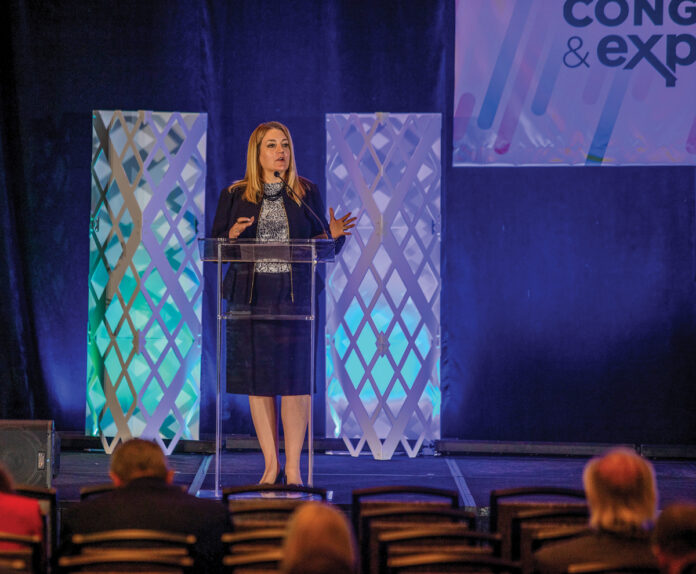
The manufactured housing industry’s premier event, the MHI Congress & Expo, returns to Orlando, Florida, from May 5 – 7, 2025, with more features than ever. This year’s program brings together industry leaders, innovators, and professionals for three days of education and exploration of the latest advancements in manufactured housing.
The event kicks off on Sunday, May 4, with the Oliver Technologies Golf Open and the Hart Kienle Pentecost/Lutz, Bobo & Telfair Clay Shoot.
These events provide attendees with a chance to meet with other industry professionals in a relaxed setting while supporting the industry’s advocacy efforts.
A highlight this year is the expanded Developing with Manufactured Housing Seminar. Now a day-and-a-half event designed for builders and developers, this in-depth program features training on obtaining land-use approvals, financing options, and case studies on manufactured housing developments. The seminar is led by subject matter experts and includes a tour of the manufactured homes on-site in the MHI Neighborhood.
Monday, May 5, marks the beginning of the National Communities Council Spring Forum, an annual event tailored for home community owners and operators. With the 2025 theme, “The Road Ahead: Innovating and Sustaining the Future,” the forum will explore key industry topics, including AI’s impact on the sector, effective community engagement strategies, and emerging market opportunities.
The U.S. Department of Housing and Urban Development Secretary Scott Turner has been confirmed as the keynote speaker at the event, MHI said in a recent statement.
In 2025, the expo hall is bigger and more dynamic than ever, spanning 60,000 square feet and featuring more than 170 exhibitor booths showcasing the latest products and services. The hall includes interactive lounges, afternoon mixers, and the debut of the MHI Learning Lab — a dedicated theater on the show floor where exhibitors will present educational sessions.
Scheduled speakers include representatives from GAF Energy, ManageAmerica, and Rent Manager. Additionally, Manufactured Homes Sales Mastery will launch a new, interactive training platform for MHEI’s Professional Housing Consultant program.
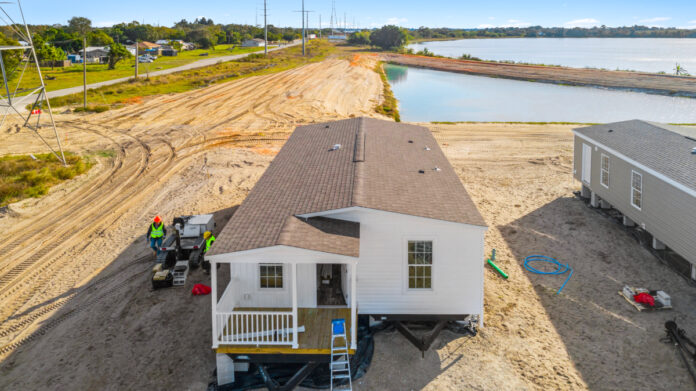
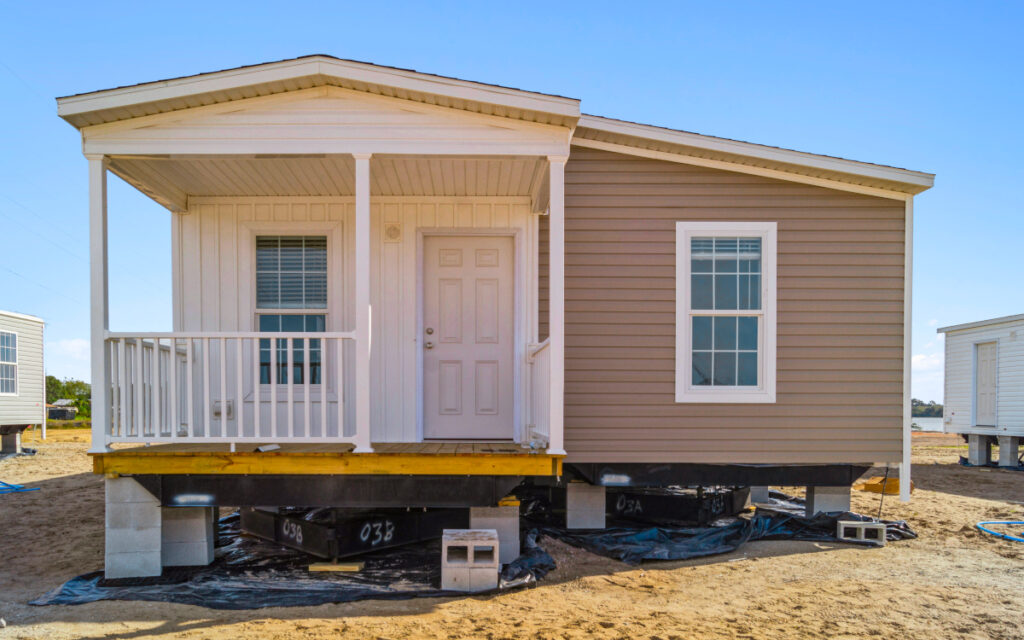
Another returning highlight for the 2025 Congress & Expo is the MHI Neighborhood, displaying a range of the industry’s latest manufactured homes. The outdoor installation will be open from Monday, May 5, at 5 p.m. through Wednesday, May 7, at 10:45 a.m.
To further enhance the attendee experience, this year’s event features three distinct workshop tracks:
Newcomers Track — Ideal for those who are new to the manufactured housing industry, with fundamental content and the popular Guided Newcomer Roundtable.
Industry Hot Topics Track — Covering pressing industry issues, including zoning, rent control, and lending challenges.
Networking Roundtables Track — Offering small-group discussions with industry experts across a range of key topics.
With an expanded lineup of sessions, an interaction exhibit floor, and an agenda packed with opportunities to learn and grow, the 2025 MHI Congress & Expo is set to be the industry’s most comprehensive and engaging event yet.
Visit the Congress and Expo event website for full details on speakers, exhibitors, sessions, and the event schedule.
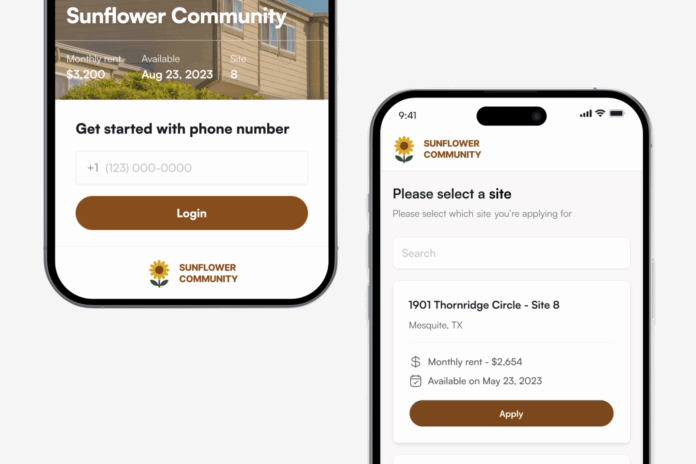
Resident screening technology company Boom is partnering with ManageAmerica property management software to create an entirely new experience in the development of purpose-built software for manufactured housing communities.
Boom is a new provider, and ManageAmerica has been in the business for more than 25 years.
As part of the April 24 announcement, the companies stated that the objective is to modernize resident screening for manufactured housing operators, to “move in top-quality residents faster, reduce site vacancies, and enhance the leasing experience for future residents.”
Boom has a comprehensive financial services software to mitigate fraud and increase leasing velocity. The result is a resident screening integration that delivers industry-first capabilities to streamline applicant underwriting, reduce site vacancies, and build better communities.
“Making sound decisions around resident screening is a cornerstone to managing a healthy manufactured housing community. Our new partnership with Boom will help drive actionable insights to support driving profitable occupancy for manufactured housing operators,” ManageAmerica CEO Caitlin Pomeroy said. “We are excited to deliver a step-change improvement in the applicant experience, drive a more streamlined experience for busy community managers, and improve transparency into the lead-to-move-in lifecycle for corporate users.
“This partnership is just another way we continue to deliver on our promise – to unlock potential in every property,”Pomeroy said.
In resident screening, compliance requirements continue to compound, data is increasingly difficult to access due to local regulations, and the threat of fraud is accelerating.
Typically, leasing teams incorporate additional workflows and logic into their application processes. When an application is received, operators must wait for reports to come back, collect documents manually, calculate threshold metrics by hand, and then manually “clear conditions” to get an applicant approved.
Limited solutions for applicant support and multi-page PDF screening reports generate additional applicant requests and review processes for leasing teams.
To help solve this, companies using the ManageAmerica and Boom integrated solution can:
Configure a consolidated index of screening services, such as identity verification, income verification, animal screening, and credit, criminal, and eviction reports
Customize application questions, fees, criteria, and branding down to a community-level
Offer both applicant-driven and community manager-supported applicant workflows, built to the needs of industry operators
Sync ManageAmerica reservations and availability with Boom application links, with industry-specific attributes such as home rent and site rent
Review ready-to-decision consolidated applications, with reports pulled instantly
Push application data to ManageAmerica to directly move to lease signing
Access Boom’s 24/7 applicant support and dispute management, providing applicants a single point of contact and operators a new extension of the leasing team to reduce work
Move seamlessly between Boom and ManageAmerica with Single Sign On (SSO) authentication
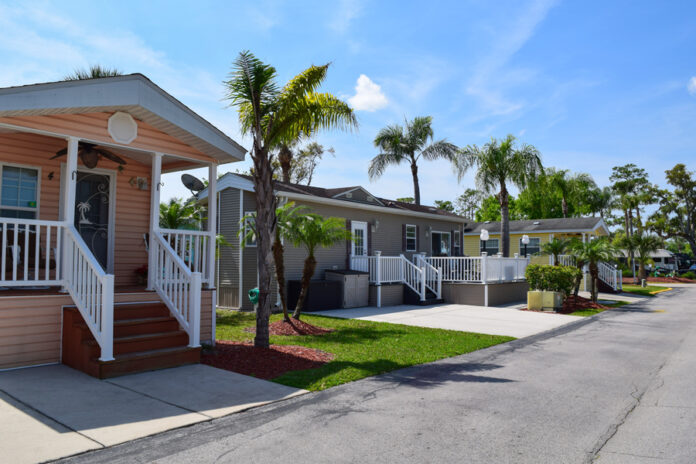
Tropical Palms, a Kissimmee, Fla., manufactured home community under the Encore brand from ELS.
MHI Announces HUD Secretary Scott Turner Will Be Keynote Speaker at 2025 Congress & Expo
U.S. Housing and Urban Development Secretary Scott Turner will provide the keynote address at the 2025 Congress & Expo in Orlando, to be held May 5-7.
Housing Price Index Increases Slightly
The S&P Dow Jones Indices on March 25 released the January 2025 results, a leading measure of U.S. home prices. It recorded a 4.1 percent annual gain in January 2025, a slight increase from the previous reading in December 2024. The 10-City Composite saw an annual increase of 5.3 percent, up from a 5.2 percent annual increase in the previous month. The 20-City Composite posted a year-over-year increase of 4.7 percent, up from a 4.5 percent increase in the previous month.
Housing Starts Up in Feb, Down in March
Housing starts increased 11.2 percent in February, the last reportable month. Starts, down 2.9 percent year-over-year, reached more than 1.5 million, beating the expected 1.385 million. “After unusually cold weather and fires held back homebuilding in January, new home construction rebounded sharply in February…topping even the most optimistic forecast from any economics group surveyed by Bloomberg,” the First Trust Advisors team of Robert Stein and Brian Wesbury stated in response. The pendulum swung back the following month, with an 11.4 percent dip in March to a 1.324 million annual rate. “U.S. homebuilding continues to whipsaw as builders deal with all sorts of headwinds, tailwinds, and crosswinds,” the First Trust team stated.
Fed Holds Steady
The Federal Open Market Committee at the March meeting voted to maintain rates at the 4.25 to 4.5 percent range, which was widely anticipated. It stated its intention to make two rate cuts this and next year.
Consumer Sentiment Slumps to Near Record Low
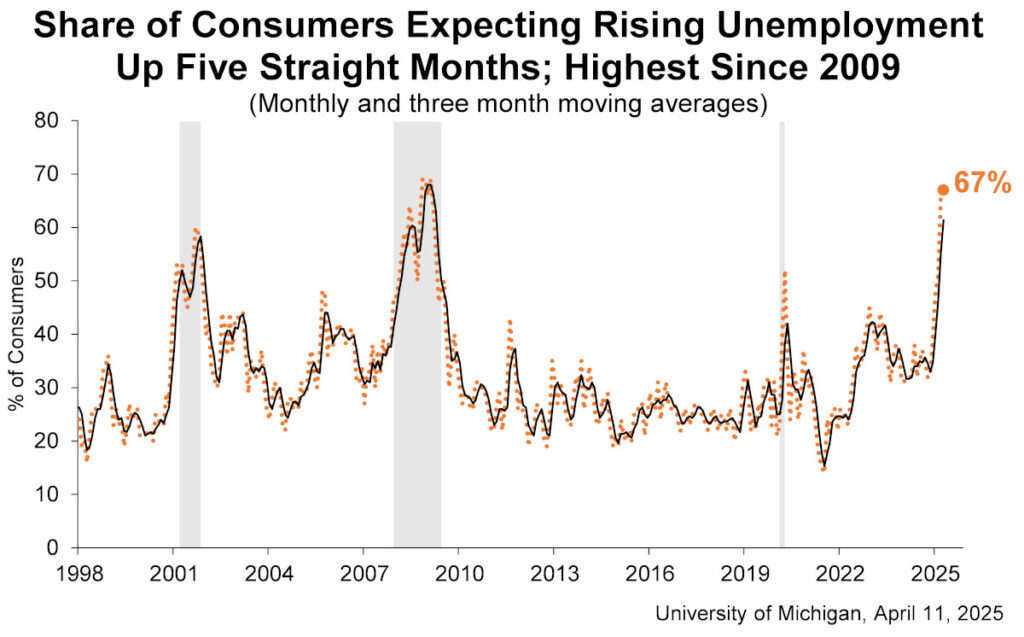
The University of Michigan tracks consumer sentiment, and the March reading was among the lowest in the history of the index, slumping more than 34 percent year over year to 50.8. The reading is down 6.2 since the previous month. The latest number stems from “growing worries about trade war developments that have oscillated over the course of the year.” The index show sentiment is down regardless of age, income, geography, or political affiliation.
UM consumer sentiment research on the labor market shows high uncertainty.
Labor Market Remains Resilient
The U.S. Department of Labor on April 4 reported that non-farm payroll increased by 228,000 positions in March, beating the expected 140,000. The private sector rose 209,000. Education and health services were up, as was manufacturing, and government.
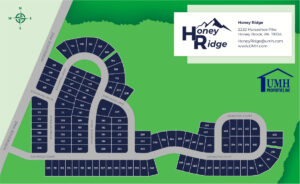
A sitemap for UMH’s new manufactured housing community, Honey Ridge, in Honey Brook, Pa.
UMH Properties is targeting May to open a new community, Honey Ridge, a new property near Honey Brook, Pennsylvania. The community offers homebuyers an exciting option in the search for affordable, modern living.
A Picturesque Setting in Pennsylvania
Once complete, Honey Ridge will have 113 homesites on about 61 acres. It is designed to redefine the housing experience by combining quality, affordability, and a strong sense of community. “We’re thrilled to bring Honey Ridge to life in Honey Brook. This community reflects our commitment to delivering high-quality homes at an accessible price point, helping individuals and families achieve their dream of homeownership in a vibrant setting,” UMH Regional Manager Carianne Jones said.
Affordable Homes in a Thriving Location
Honey Ridge is more than a neighborhood, it’s a lifestyle. In addition to contemporary, energy-efficient manufactured homes, residents will enjoy access to a variety of community amenities that include on-site management, walking trails, a playground and soccer field. Honey Ridge is located near shops, dining, and outdoor recreation. It will feature manufactured homes for sale, catering to homebuyers who value affordability without compromising on quality. Prices at Honey Ridge start at $120,000. The community is poised to address the growing demand for affordable housing solutions in Chester County, featuring homes built by Colony Homes, Ritz Craft, and Champion.
The development of Honey Ridge emphasizes affordability, meeting the needs of homebuyers searching for homes under $200,000.
UMH and Nuveen Real Estate have placed a focus on offering homes with modern features while keeping costs reasonable. The community aims to attract young professionals, retirees, and those seeking a fresh start in an environment designed for convenience and comfort.
Odds of qualifying a lead called within five minutes of contact increase 21 fold compared to a 30-minute response time
According to industry research, the odds ofqualifying a lead within five minutes of initial contact are 21 times higher than the odds of waiting just 30 minutes.
Forbes magazine state that businesses waste 71 percent of their leads. How do they waste them? By simply not contacting them.
Yes, according to Forbes, only 27 percent of leads ever get contacted.
As a company that provides leads to our industry, we see this all the time. Buyers who are ready to purchase a home call the Customer Service Team at MHVillage because they are interested in a listing they have found on the site. They have tried to contact the seller, but the seller hasn’t responded.
When this happens, we do our best to connect people. But the point is that you spend money on your sales staff, your marketing and advertising, your office and your product. You do it because you expect it to pay off with sales. The quickest way to increase your return on investment?
Make sure your sales people respond to leads, and respond quickly.
Statistics on Qualifying A Lead
How quickly?
The rep that calls a lead within five minutes has great close rates. Leads are impressed by a very quick response. In addition, the odds of qualifying a lead called within five minutes of contact increase 21 fold, when compared to a 30-minute response time, according to Ken Krogue, a leading sales researcher and consultant.
When a rep calls or returns an email right away, there is a high likelihood that the potential customer is still by their computer or phone. They might even be standing in front of the home in your community. The closer you can be to that point of contact, the better.
However, the average call back time is 46 hours and 53 minutes.
Let me ask you something, do you remember any of the websites you were surfing on nearly two days ago? Or think of it this way – say you stopped into an electronics store to buy a high-end digital camera. You have a couple of questions, you know basically what you want, but you want to make sure you are getting the right piece of equipment. What if you were told you needed to wait 46 hours to see what you wanted to buy? Would you move on to another store? You bet you would!
Not only does responding quickly let you talk to the prospect while they are thinking about your community or your homes for sale, it also shows a level of respect. Getting back to someone promptly shows you are interested in working with them and earning their business.
Firms that tried to contact potential customers within an hour of receiving a query were nearly seven times as likely to qualify the lead (which we defined as having a meaningful conversation with a key decision maker) as those who tried to contact the customer even an hour later—and more than 60 times as likely as companies that waited 24 hours or longer.
Consider your different kinds of leads, and determine ways to connect with these potential customers. Let’s take at some:
In person: drive-bys and walk-ins
Referrals
Telephone
Email
Website form
Web traffic
Mobile Browsing
Do you have policies and plans in place to capture these leads and market to them?
By putting together a guidebook on how and when you want your leads handled, then your team can focus on what they do best – making the sale.
Start establishing benchmarks. Maybe a five minute goal is a bit much to start. But can you set a policy that everyone who called or emailed prior to an hour of close of business gets contacted that same day? Once that is running smoothly, can you back it up to contacting every lead within four hours, and so on? You know what will work best in your business, so what can you do to help your team formulate a plan to make more sales? Anything that gets you closer to that 5-minute call-back will improve how your team is qualifying a lead.
Sales studies consistently show that anywhere from 35 to 50 percent of all sales go to the agent who makes first contact. If you’re Vendor # 7 out of 10 attempting to contact a lead, what’s the realistic chance of creating an opportunity?
Life on the internet is increasingly shortening our attention spans. Which means that prompt attention to leads is even more paramount than it was years ago. And that five minute time frame? It’s going to be a moving target. Secret shop your staff to see how they do. Then make sure they have the tools and the plan to follow up right away. Your customers will thank you!
Oak Creek Homes, a manufacturer of manufactured and modular homes, is partnering with LG, the top appliance brand in the U.S.
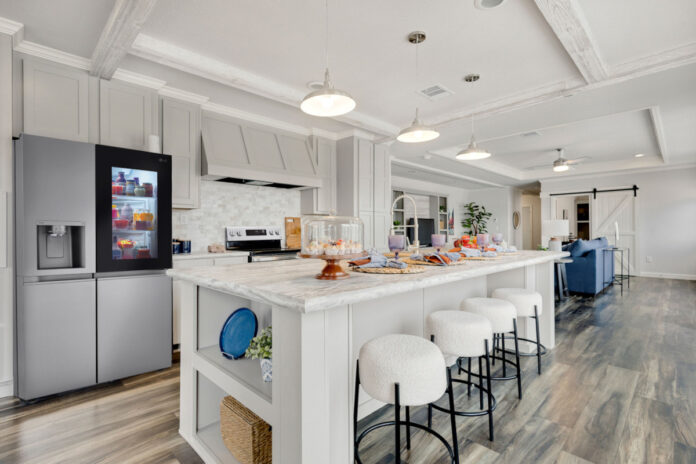
In 2025, every newly ordered Oak Creek home will come equipped with premium LG stainless steel kitchen appliances, with an option to add a top-rated washer and dryer. Affordable luxury is a trend that we are seeing in all areas, including kitchens and baths.
Consumers are starting to ask for better, energy efficient appliance packages in their homes that are well designed, and reliable. With grocery prices rising, having a refrigerator that will help produce and refrigerated items last longer is a feature that is sought after now more than ever. It is exciting to see brands such as LG understanding the value that our homes provide, and partnering with companies such as Oak Creek Homes.
LG has been recognized by Consumer Reports as America’s most reliable appliance brand. Its high-performance products are designed to elevate the everyday living experience in Oak Creek’s homes. The partnership enhances the aesthetic appeal of Oak Creek homes and guarantees reliability and longevity for every homeowner.
The collaboration blends affordable luxury with cutting-edge technology, unmatched convenience, and style LG’s ENERGY STAR® certified appliances — including refrigerators, dishwashers, ovens, and laundry systems — perfectly complement Oak Creek’s award-winning homes, enhancing both functionality and elegance.
Key Features of LG Appliances in Oak Creek Homes
Refrigerators: LG ENERGY STAR® refrigerators feature the exclusive Linear Compressor, offering quiet operation and improved efficiency. Select Oak Creek homes feature the InstaView® Knock Twice Refrigerator, letting you peek inside, preserving cold air and energy. The innovative craft ice maker creates slow-melting, round ice that is perfect for entertaining.
Dishwashers: LG’s ultra-quiet, ENERGY STAR® certified dishwashers, featuring LoDecibel™ technology and DynamicDry® capabilities, providing superior performance that is the top choice for homeowners who value a peaceful, efficient kitchen.
Ovens & Microwaves: With SensorCook® and EasyClean® technology, LG’s cooking appliances bring smart functionality and sleek design to your kitchen, making cooking easier and more enjoyable.
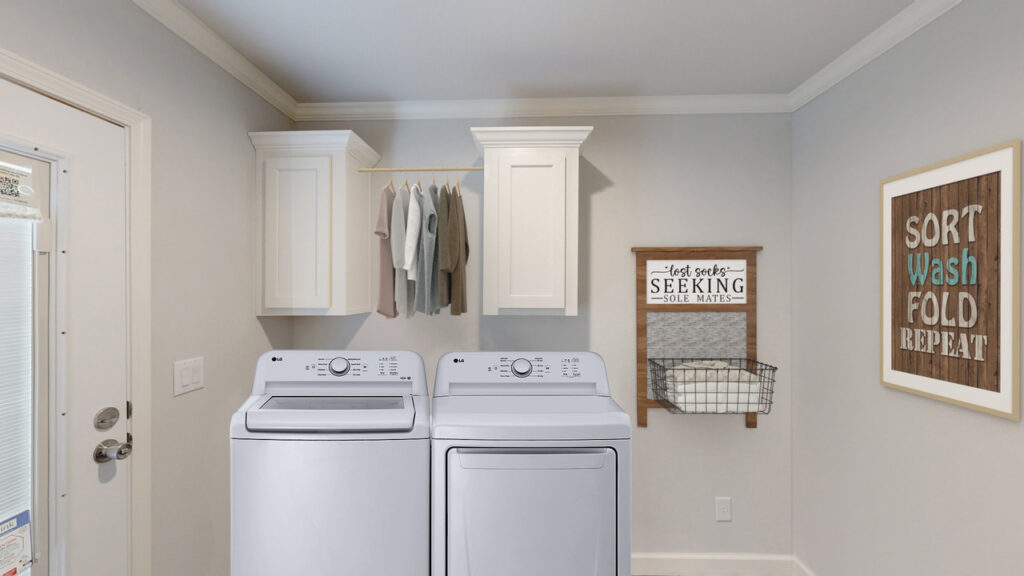
Washers & Dryers: Optional upgrades include LG’s highly rated laundry appliances, engineered for efficiency and durability. Features like the NeveRust™ Stainless Steel tub and FlowSense® Dual Clogging Indicator ensure a long-lasting, top-tier laundry experience.
Oak Creek Homes, based in League City, Texas, has been building homes since 1971, earning a trusted name in the industry for its high-quality manufactured and modular homes.
“Oak Creek Homes has always prided itself on using only the best materials in its homes. Obviously, appliances are one of the most critical elements and our new partnership with LG is in keeping with this philosophy,” Oak Creek President and CEO Dwayne Teeter said.
LG’s fantastic selection of high-quality, modern stoves, refrigerators and microwaves will help define Oak Creek’s product offering for years to come. We are very excited to offer them effective immediately.”
Guy Minnix, head of the LG Pro Builder division of LG Electronics, said it’s been a pleasure to team up with Oak Creek Homes as their exclusive appliance partner, from purchasing to service to sales. “Nearly every Oak Creek employee we met had an LG appliance in their own home,” Minnie said. “Hearing their personal stories is a testament to the value and innovation LG brings to consumers everywhere, and we believe it’s those experiences that helped motivate them to partner with LG.”
What began as a regional effort to help Champion Homes retailers in Pennsylvania and the Northeastern U.S. has expanded into a new business unit called Champion Construction Services. It’s already operating throughout much of the Midwest and Eastern U.S. and may expand nationally.
CCS, which is a part of Champion Homes, offers owners and operators of manufactured housing communities and retailers a service to set and finish homes on-site. As an extension of Champion Homes, CCS provides on-site completion that can ease the weight of infill on community managers. Customers receive a valuable turn-key service including the homes that Champion builds and the set-and-finish services that CCS provides.
“This all started with a vision from the Champion executive management team,” said Stephen Ryan, vice president of Champion Construction Services. “After a year or so, Terrence Andros and I were brought in to lead the business unit.” Andros, director of business development at Champion Construction Services, said that both he and Ryan have a background in the community side of the business. They have more than 40 years of combined experience in asset management, operations, and inventory management.
“The communities we’ve worked with wanted a single point of contact – someone who would set up the home from beginning to end,” Andros said. “Champion saw that we could develop this service. We do the setting and finishing of homes, and we create value through offering faster speed-to-market performance for our customers.”
Andros noted that CCS’s goal is to complete a set within a designated amount of time after the homes are delivered.
“The idea is to reduce the time the community spends waiting on completion of the homes. Sometimes communities can have homes sitting for many months or even a year unfinished, which shouldn’t happen,” Andros said. “We aim to complete homes in 45-60 days depending on scope of work. What sets us apart is the improved speed-to-market performance we offer in getting the home ready for occupancy. With greater speed-to-market efficiency, community groups can offer more inventory for sale.”
In addition to its home-setting line of business, CCS offers a site evaluation service where the team will examine vacant infill sites to determine a buildable envelope, take measurements, note any obstructions or encroachments, and locate utilities for customers. The team also researches setbacks at the local municipality.
“We offer a one-stop shop service, and we aim to provide a seamless experience from the time the home is purchased to when the Certificate of Occupancy is issued,” Stephen Ryan, vice president of Champion Construction Services, said. “The customer buys a home from Champion, and the construction phase occurs in the Champion manufacturing facility. Then, the job is completed on-site with CCS. The customer works with Champion for all these steps in the homebuying process, and that communication within the Champion family is vital.”
Operate Quickly, Communicate Well
CCS is looking to scale. The business unit already operates in Florida, Georgia, North Carolina, South Carolina, Pennsylvania, Maryland, Delaware, Connecticut, New York, New Jersey, Maine, Wisconsin, Minnesota, Indiana, Ohio, Michigan, Illinois, Missouri, Minnesota, Iowa, Kansas, Arkansas, and Alabama.
There are plans to expand into Kentucky, Texas, and Colorado, as well.
“There are a lot of new community groups that have entered the business in the last 10 years, and when they see the one-stopshop service we offer, they’re often really excited,” Ryan said. “We’re seeing a lot of interest in the continuity we can provide with Champion Homes for manufacturing and CCS for setup.”
Prioritizing strong communication, CCS aims to serve as an extension of the customer’s management team.
CCS recognizes the opportunity to help community managers and wants to ease their workload so they can focus on their core business — fulfilling their residents’ needs and bringing in new community members.
As an example of CCS’s streamlined approach, they use a scheduling management program to help simplify the process of planning tasks and tracking workflows.
“We offer a one-stop shop service, and we aim to provide a seamless experience from the time the home is purchased to when the Certificate of Occupancy is issued,” Ryan said. “The customer buys a home from Champion, and the construction phase occurs in the Champion manufacturing facility. Then, the job is completed on-site with CCS. The customer works with Champion for all these steps in the homebuying process, and that communication within the Champion family is vital.”
Carry-Through Experience
A contract is signed with CCS for homesite preparation and setup when the customer orders a house. While the home is being built at the Champion factory, CCS acquires permits, builds the pad, and organizes any on-site needs. The house is then delivered to the prepared site and CCS completes the set, interior finish, electrical, plumbing, AC, and any exterior packages like a carport or garage.
Ryan explained that CCS will help facilitate factory service so small service items don’t delay the house becoming a home for end customers.
This important offering addresses a pain point that community owners often experience.
“The customer really benefits from the management and product experience we bring,” Ryan said. “And a major advantage of working with us is the existing relationships we have with our internal team at the factory.”
Andros emphasized the unseen value that CCS can provide for community managers. By serving as an extension of the community management organization, CCS can save them a significant amount of time and money, he said.
“When they work with us for turn-key services, they can have a single point of contact, one contract, and one check. When they compare that to the cost of doing it themselves — including managing multiple sub-contractors, insurances, and issuing multiple AP requirements — they can see the value we provide,” Andros said. “Instead of the community having to hire millions of dollars in resources to build a team, we’re their single point of contact. At that point, we handle the paperwork and project management, so they don’t have to do it themselves.”
The ultimate result can be a more effective business model because the set-up provider and the factory are in direct communication, providing significant benefits as a byproduct of this internal relationship, Andros said.
“We can identify opportunities for making the setting and finishing experience even better, communicate them to the factory, and make changes that can help elevate the industry as a whole,” Andros said. “The result can be a better build quality coming out of the factory and a better overall product for the industry.”
The questions are abundant. Let’s start with some basics…
How long have you been operating?
I have been in the industry for 11 years serving the Central Mississippi market. I worked in sales for over 10 and a half years before transitioning into my current role as general manager at Freedom Homes of Pearl six months ago.
Is the average home you sell increasing in size, getting smaller, or staying about the same?
The average home size has remained consistent throughout my time in the industry. I’ve seen most homes range between 1,200 and 1,500 square feet.
How many homes do you sell annually?
On average, we sell between 70 and 90 homes per year. This number has remained relatively stable over the years but can fluctuate based on market conditions, interest rates, and customer budget preferences.
What is your average time from the order of the home to set up?
We keep our best-selling floor plans in stock to help reduce wait times. If a home is readily available, delivery can happen within days. For homes that need to be ordered, the process from delivery to setup typically takes five to eight weeks, assuming the site is prepared in advance. It’s important to remember that there are several factors that can influence the schedule.
What is the most common add-on feature in your market?
Site improvements are the most requested add-ons, including power, septic systems, water connections, and land clearing. Additionally, the Generac home generator is a popular option in our market due to frequent weather-related power outages.
How have you seen your business evolve over the last few years?
With the rising cost of living, customers are increasingly interested in affordable high-quality home options. Both nationally and locally, the growing housing shortage has made it more important than ever to innovate to meet our customers’ needs — and modern manufactured homes are positioned to help increase the supply of new, attainable homes.
Many buyers are starting to notice the quality and efficiency of today’s modern manufactured homes. For example, our energy-efficient homes include features like an ecobee® smart thermostat, Lux low-e windows, Shaw® carpets and more, helping homeowners significantly reduce utility costs and making homeownership more affordable over the life of the home.
What do you think is the greatest challenge facing the industry right now?
For potential home buyers, affordability remains a top concern as the cost of living continues to rise. As an industry, stigma and zoning continue to be two of our biggest challenges. For instance, the city of Jackson had a moratorium for over 20 years on manufactured homes within city limits. Recently, because of rising housing prices, city officials have lifted those restrictions and now allow manufactured homes in certain areas. This is a positive step toward addressing housing shortages and providing more affordable options for buyers.
Are there specific strategies you’ve identified to keep homes moving?
We closely monitor market trends and customer preferences to ensure we always have the right inventory on hand.
What customer trends do you see in terms of use-of-space and/or lifestyle amenities/materials choices?
With people spending more time at home, we’ve seen growing popularity with our flex spaces, which are versatile multi-purpose rooms that can be used as an office space, exercise room, game room or anything else that suits the homeowner’s needs. Having adaptable living spaces ensures that our homes accommodate changing lifestyles and evolving buyer preferences.
Why do you feel it’s important to attend events like Louisville, Biloxi, Congress and Expo and others?
I’m especially excited to attend the Biloxi Home Show this Spring – it’ll be my first time going. Industry events like these provide an important opportunity to seek inspiration from other builders, be introduced to new possibilities, and connect with other leaders in the industry.
Southern California is a draw for many reasons, and longtime residents of the region have many stories to tell about the beauty and quality of life that surrounds them.
For Marisa Murrow, a painter, her life of travel and artistic creation led her back to the place where she was raised, a place where she would find a new appreciation for those formative years and new vision for her artistic endeavors.
In recent years, she has consistently painted an unlikely subject matter, she said; mobile home parks.
“The series is as much about the homes as painting itself,” Murrow told her audience at a recent meeting of the Western Manufactured Housing Communities Association (WMA).
“I find the subject matter keeps me curious and challenged as an artist. I am very attracted to the idea of community and the sameness of these particular structures,” Murrow said. “They are a metaphorical celebration of human connectivity. To get to know someone beyond the surface, we need to go inside: a place where we are all ‘decorated differently’ by the experiences we have.”
Maria Horton, from Newport Pacific, was among the attendees at the annual meeting late last year, and struck up a conversation with the artist.
“My first thought was related to the beauty of her work,” Horton said. “I had seen these locations years before and was surprised by how they stood out in Marisa’s work.”
The beauty of these manufactured home communities — Tahitian Terrace, Palisades Bowl, and Malibu Village — was captured in her paintings, so colorful and bright, Horton said.
Paintings Gain Increased Importance
Murrow is native to Pacific Palisades, where her open air studio is equally as appealing as the work that comes to life there.
“Taking notice of the slipping hillside after the rains, I sometimes wondered if there would be a massive mudslide in the park,” Murrow said. “Never in my wildest dreams did I think this beautiful community right next to the Pacific Ocean would catch fire. I was in shock when an art collector told me mobile homes exploded one right after the other. She said it looked like hell on earth.”
These tight-knit coastal communities are a place where people share common ground. She grew up in those hills overlooking the water — she and her neighbors swam in each other’s pools, sold lemonade on the corners, and walked to school together.
Murrow said curiosity and a good challenge are motivation toward making art. The loss of place that shaped her, that inspired her, is devastating.
“The beaches and roads are closed indefinitely from the Palisades through a long stretch of Malibu,” Murrow said. “Unable to pick up a paint brush in this moment, I found solace in volunteering at an evacuation center near my studio.”
Through this process, a purpose presented itself. With donated flowers and experience working as a floral designer, Murrow began making arrangements on a bi-weekly basis to bring some cheer to the recreation centers and other places residents in need are being sent.
Artists don’t just create — they connect, they heal, they help others see in ways we didn’t know we needed, she said.
“Creativity carries people through. I have come to realize, when things fall apart, it is healing to get to work, reach out,” Murrow said. “Give. Because in the giving, we get back what we thought we lost.”
UPDATE: FinCEN Halts Enforcement on $500 Per Day LLC Penalties
By Ferd Niemann
The Corporate Transparency Act, effective from Jan. 1, 2024, introduced a transformative shift in the regulatory framework for business entities in the United States. This new legislation would have required a range of businesses, including limited liability companies, corporations, limited partnerships, and their beneficial owners, to file specific information with the Financial Crimes Enforcement Network (FinCEN).
A primary aim of the CTA is to combat financial crimes, such as money laundering and/or the financing of other crimes. It seeks to enhance transparency in business ownership. Its extensive scope includes large corporations, small businesses, and even entities established for estate planning purposes.
However, in early 2025, FinCEN announced it would halt enforcement on existing and future filings until the legislations could be rewritten — narrowed — most notably to apply to foreign entities only.
Original Exemptions and Implications
The CTA exempts 23 types of entities from the reporting requirements. While each exemption should be reviewed carefully, the most common exemptions are qualified charities, and business entities satisfying all three of the following criteria:
Has an operating presence at a physical office within the United States
Has at at least 20 full-time employees
Has more than $5 million in gross receipts or sales the previous year, publicly traded entities or those otherwise regulated by the federal government
Note, many real estate investors purchase property via a special purpose entity, such as an LLC – many LLCs will not satisfy the above exemption requirements.
Defining Beneficial Ownership
A key aspect of the CTA is the requirement for the disclosure of beneficial ownership information. Beneficial ownership information includes certain information from individuals who either directly or indirectly exercise substantial control over a reporting entity, or directly or indirectly own/control 25 percent or more.
Further, if a trust satisfies either of the above two requirements that define beneficial ownership, the trustee or beneficiaries may be considered beneficial owners under the CTA. Whether an individual has “substantial control” over a reporting entity requires an analysis of the provisions of the CTA.
Detailed Reporting Requirements
The new rules require company information and beneficial owner information be reported.
Company information refers to a reporting entity’s basic organizational information. This consists of:
— The full legal name and any trade or d/b/a names of the company — The street address for its principal place of business — State, tribal, or foreign jurisdiction of formation — Employer Identification Number or foreign tax identification number
Beneficial Owner and Company Applicant Information is the main purpose of the reporting requirements under CTA and must be reported for each beneficial owner and company applicant.
For each individual, this information should consist of:
— Full legal name — Date of birth — Residential address (with limited exceptions) — An image of and the unique identifying number shown on, any one of the following: A current U.S. passport, a current state-issued driver’s license, a current state, local, a tribal identification document; or if none of the foregoing are applicable to such individual, the individual’s current foreign passport.
Alternatively, reporting entities and individuals have the option to apply for a unique FinCEN identifier number from the Financial Crimes Enforcement Network. Once obtained, this identifier can be used in place of providing detailed personal information directly to FinCEN. It is crucial for entities and individuals to keep this information current. Therefore, similar to the necessity of updating and correcting beneficial ownership reports, any changes in the details provided in the FinCEN identifier application must be promptly reported through a revised application. This process ensures that the FinCEN database remains accurate and up to date, facilitating more efficient and effective oversight.
Reporting Timelines and Processes
The CTA sets specific deadlines for reporting. Those entities in existence as of Jan. 1, 2024, must submit BOI Reports by Jan. 1, 2025. Entities established between Jan. 1, 2024, and Jan. 1, 2025, are required to file BOI Reports within 90 days of their formation or public announcement. For entities formed on or after Jan. 1, 2025, the reporting window is 30 days from the date of formation or public announcement.
In addition to these initial reporting requirements, entities are obligated to report any significant changes. This includes updates to beneficial owners’ addresses or changes in the business address of the reporting entity. The 30-day window for reporting these changes underscores the need for ongoing vigilance and record-keeping.
Impact on Small Businesses
While the CTA primarily targets illicit financial activities, its impact on small businesses cannot be overlooked. Small business owners, often with limited resources, must navigate these new regulations, which could pose administrative challenges. Understanding the exemptions and seeking guidance when necessary can help mitigate these challenges.
Compliance and Penalties
Adhering to the CTA is mandatory, and non-compliance carries severe consequences. Non-compliance, defined by either failing to report or providing fraudulent information, can lead to civil penalties of up to $500 per day until the violation is rectified. Note that this is per company/LLC! In more severe instances, such as willful provision of false information, the penalties increase significantly, including fines up to $10,000 and imprisonment for up to two years. The severity of these penalties highlights the critical importance of understanding and complying with the CTA’s requirements.
Practical Steps for Compliance
Business owners must take practical steps to ensure compliance with the CTA. This includes conducting a thorough review of business structures to determine if they fall under the CTA’s purview, and identifying the beneficial owners who must be reported. It also involves setting up processes to collect, verify, and update the required information. Businesses may need to invest in new systems or seek external assistance to manage these requirements.
The information provided in this article does not, and is not intended to, constitute legal advice. All information contained herein is for general information purposes only. Readers should contact their own attorney to obtain advice with respect to any particular legal matter.
Ferd Niemann is a community owner/operator and real estate investor, financial analyst, entrepreneur, and attorney whose career has focused on myriad areas of real estate. In addition to his manufactured housing investments, Niemann has invested in storage units, apartments, restaurants, medical startups, and a handful of other ventures.
Oct. 6-8 at Avalon Hotel in Alpharetta, Ga.
Manufactured housing community owners have never had more information available to them — or more decisions to...
The Midwest Manufactured Housing Federation has announced that attendee registration is now open for the 2027 Louisville Manufactured Housing Show, returning to the Kentucky...
HUD’s Innovative Housing Showcase, MHI’s Homes on the Hill and Annual Meeting Begin Sept. 22
Two of the country’s largest builders of manufactured homes will...