Social Media continues to be a regular activity in many households and offices.
For this reason, companies have to maintain their presence on a multitude of different platforms.
“Fueled by intense competition between networks to capture advertising dollars, social media tools and tactics will continue to evolve at a breakneck pace in the year ahead.”
If your company has one primary audience for its service then this is a pretty simple step. Your audience will remain the same across all of the platforms. However, if you offer products or services to both industry professionals and general consumers, that’s a different story. In this case, you want to be sure you know who you are talking to on each social media platform. Facebook, Instagram and Twitter are geared toward individuals or general consumers. The reason being, they offer them other options like sharing their personal photos, stories and connecting socially with family/friends. Websites like LinkedIn are specifically geared toward social interaction between professionals. (We have a great article to expand on the importance of knowing your audience in general Here!)
Spread The Content
Once you have established your audience, it will dictate which social media platforms you want your company to participate within. A presence on two or three social media platforms is ideal.
Clean Content
It’s important to be sure you are presenting your customers on social media clean and clear content. Filter all of your posts and “shares” through the lens of how it interacts or is associated with your company and its vision. Avoid posting, sharing or commenting on topics that are personal or unrelated to your business. You also want to be certain any links or outside websites you reference are accurate and efficient.
Branding
Here’s something I often see. A company has several social media platforms in addition to their website, and then they get a new logo or change their sales slogan but don’t update all of the different pages. This is a super important detail that truly needs to be top priority. It’s so important that your company is represented accurately and consistently across all of the different avenues a customer might find you.
Your Company Website
Since most of your posting will direct customers to your website you want to be sure your primary space represents you, your company and its service/products as well as possible. This means, accurate and up-to-date information, clear and easy contact information, recent and relevant content that supports the professional you want.
Know The Language
Before you start posting on social media, you want to be sure you are familiar with the expected language and communication on each one.
Start by doing a little research on a personal account.
This way you can shop some of your favorite companies and services or even your own competition first. Additionally, pay attention to which platforms are made for photos specifically and which are more geared towards text. For instance, Instagram and Pinterest are specifically designed for high quality images to be shared. So be sure you are only posting images that match this standard. Facebook and Twitter tend to have text and video links consumed and shared.
Social Media Management/Follow-Through
Keep every page updated. This is important, but there are other elements of management too. You also need to manage responses, comments and lead generation. A note sent via Facebook messaging or a direct message on Twitter is still a lead. Theses forms of contact should be treated and responded to like every other lead.
(Pro Tip: There are quite a few social media management websites that will combine all of the platforms on one dashboard to assist with this step. My favorite is: Hootsuite.)
Hopefully, this breakdown of the basics gives you a great place to start your endeavor into social media marketing.
There Are Many Questions to be Answered in Deciding on Ownership of a Related Finance Company
By Ken Rishel, Managing Partner at Rishel Consulting Group
Ken Rishel, Rishel Consulting Group
Should I start my own related finance company? This question is asked often all over the country by independent retailers.
Unfortunately, there is no easy answer, because a variety of factors ultimately will decide.
There are many questions to answer if you want want ownership of a related finance company. So, let’s get started!
Where Do You Want to Set Up Ownership of a Related Finance Company?
What state or states is the retailer considering for the related or captive finance operation? Some states have very complex and expensive licensing requirements while other states are relatively easy and inexpensive. The more difficult the state requirements, the more loans the retailer must plan to make to justify licensure.
What type of loan the retailer is contemplating? Will these be all chattel loans, or will some or all of them be mortgage loans? Some of the same states that are relatively easy on licensure for chattel lending are more difficult when it comes to mortgages. In some states, the unfortunate lender may need two licenses, one for chattel and one for mortgage loans.
To reach an accurate answer, factor together loan type, states of operation, and the number of loans expected. These factors will determine economic sensibility in operating a company to finance homes the retail operation sells.
Whether to Start a Related Finance Company Depends on Sales Volume
The next question is about personnel who can be trained to run the operation. They also will need to obtain MLO licensure for themselves and potentially others. If existing personnel can be used, time away from existing duties must be available. The staff person you choose must first learn what they need to know. This all comes before they actually handle the operational side of the lending organization.
A related or captive finance operation will need to set up a compliance management system to deal with the 20-plus federal laws, rules and regulations in play. This is in advance of the first loan, and in addition to licensing. The added investment in outside expert assistance and time on the part of employees assigned to the lending operation is essential.
In addition, a separate entity must be set up to handle the lending operations. Necessary personnel can either be hired or shared with the retail operation. A licensed MLO must be found, or current retail personnel must be diverted and go through the process. The new entity must secure licensure in the state or states in which they intend to operate.
Equipment and forms, software, and legal documents must be secured. You must create a a written lending policy and credit matrix. In all, there will be considerable work and money expended in getting a lending operation up and running.
So, why would a retailer even consider starting a related or captive finance company in the first place?
That’s a simple answer. The increased sales volume and the stable income increase from the resultant loans is dramatic and can easily triple the profits generated by the current retail operation.
This happens because the normal “outside” lenders only buy about a third of the customers that could be sold and financed. Many retailers make empty sales with a customer willing to buy but lacking a lender willing to finance the purchase. Historically, many of those customers can be successfully financed by a related or captive finance operation, thus resulting in many more sales.
The question becomes, “Why isn’t every retailer doing it already?” A number of retailers are doing it. However, it is not the right thing for all retailers. The rest of the retailers may not even think it is possible. And, they may be missing out on the best thing they could add to their operation.
If a retail operation is not currently selling at least 12 homes a year already, then the operation is likely too small to successfully start and operate a related or captive finance company. There are other solutions they should be pursuing. In difficult states to license and operate in they may need a volume of over 30 loans a year just to break even on the lending operation, even though the retail operation would be making more money.
Retailers Can Find Success With Related Finance Operations
However, even in those difficult states there are retailers successfully and profitably running related finance operations. California, New York, Illinois, Pennsylvania and North Carolina have highly successful operations in place for over 10 years. There are at least five retailers that have loan portfolios in excess of $20 million. There are many others with loan portfolios valued at $5 million or better.
Obviously, independent retailers should consider what a related finance company could do for them as well as considering if they would have enough volume to justify doing so. The increase potential profits are too great to ignore.
One recent startup lending operation began because the owner realized he couldn’t find the set up help he needed to exceed 200 new homes a year. But, he could find the white collar help he needed. And this would allow him to run a lending operation, bringing him to the conclusion he could increase profits by financing many of the sales. Another long-term retailer has increased his sales to three times what they had been in the late 1990s through the addition of his lending operation.
Is starting and running a related or captive finance operation the intelligent solution for every retailer? No, but every retailer that doesn’t seriously consider it is limiting their own ability to control their destiny and their ability to prosper.
Fill vacant sites, upgrade community with new homes
By George Allen, CPM, MHM and Spencer Roane, MHM
Speaking to community owners about why they should fill vacant sites is like preaching to the choir.
Community owners understand that the move to fill vacant sites steadies profitability. The purchase of a new home to fill a vacant site means one fewer homesite that needs to sustained by revenue from the occupied sites.
Besides the increase in revenue associated with site rent, there also are savings associated with the avoidance of site maintenance like lawn care and trash removal on an unoccupied site. These are two of many good reasons to fill vacant sites.
What is the Need to Fill Vacant Sites?
The best estimate pegs more than 250,000 vacant sites in the approximately 50,000 communities nationwide. Furthermore, another 250,000 old homes in these communities could be in need of replacement. Doing so with today’s attractive, energy-efficient, feature-packed new Community Series Homes goes a long way toward improving the image of a tired old “trailer park”.
Besides the advantages to owners, there are obvious advantages to the manufactured housing industry. Currently, annual production of manufactured homes is about 95,000, with at least 40 percent going to communities.
And, finally, there are advantages to consumers. Barely a week goes by that we don’t read or hear of the critical need for more “affordable housing”. There is no other form of attractive, energy efficient, feature-packed housing that consumers can buy for about $500 per month, with loan terms as short as 12 years.
So, the timely and strategic question is “How can community owners fill vacant sites?” Here are a few salient thoughts on the topic.
Lease-option
The S.A.F.E. Act of 2008 prohibited traditional seller-financing (originating a mortgage, interest rate, promissory note, collateral, amortization schedule) without S.A.F.E. Act licenses (Mortgage Loan Originator and Mortgage Broker or Mortgage Lender). The sale of manufactured homes in communities, via lease-with-option-to-purchase (L-O), is an attractive alternative to direct financing in many states, eliminating the need for S.A.F.E. Act licenses.
What might a typical L-O transaction look like, with a $5,000 option payment, $500 per month lease payment, and option to purchase the home for $10,000 at the end of the 10-year lease? For more info, seewww.LeaseOptionMHSales.com.
What are the disadvantages of L-O?
Community owners would rather not be in the “finance” business. They want to fill vacant sites, but don’t want to process the paperwork and explain the intricacies of a document that leads to purchase. Community owners would rather not form a separate company to handle “financing” of homes, or collect payments other than site rent. Finally, they would rather not report payment information to credit bureaus.
Also, residents may prefer the tax deductibility of mortgage interest payments.
Better Underwriting
Whether community owners only rent sites or sell homes via the lease-with-option-to-purchase program, one thing they can do to minimize the likelihood of an undesirable outcome with a new homebuyer/site lessee is to thoroughly qualify them. Down payment, employment history, income, rental history and criminal history are critical to a new resident’s ability to pay. Acceptable debt-to-income ratios are absolutely essential.
All too often we see applicants able to afford front end site rent and house payments, but can become so overloaded with debt (that expensive truck payment, child support, or personal loans) they fail the back-end ratio.
Finally, there’s the applicant’s credit score. Generally, community owners consider it least important. This is because medical bills and the simple absence of credit characteristics so often can depress an otherwise reasonable credit score.
How to handle this screening efficiently and accurately? There is a pre-qualification worksheet that involves eight basic questions. This allows for requisite debt-to-income calculations. Often this analysis can help prospective residents recognize they should not buy such an expensive home, or, sometimes, they might be able to afford higher payments than they thought.
When to administer the pre-qualification worksheet? Recognizing that community managers have many tasks besides showing homes, the best practice is to conduct the pre-qualification before showing any homes. Doing so helps the applicant zero in on a home in their budget and avoids unnecessarily wasting managerial time.
New vs. Pre-Owned Homes to Fill Vacant Sites
Default rates on pre-owned manufactured homes sold in communities via L-O are about four times higher than those on new manufactured homes. Experience reflects a likelihood of default on new manufactured homes of less than 4 percent the first year, 3 percent in year two and three, 1 percent in year four and nearly zero thereafter. This all averages to less than 1.5 percent per year. Another interesting fact involves comparison of new single-section homes to multi-section homes. Our experiences suggest the latter sell quicker, are considered to have less wasted floor area and have far fewer defaults.
New Hybrid Chattel Financing
Any lender knows that the historic downfall of chattel loans was the product of default rates and default costs. Default rates can be minimized through better qualification of prospective residents and sale of new homes, particularly multi-section homes. Default costs can be minimized by selling repossessed homes in the community where they are sited – where no moving/relocation costs are incurred, and where they can be secured, efficiently rehabilitated, and quickly resold. To accomplish those objectives, a symbiotic relationship must be established between the community owner and the lender.
One way to accomplish that relationship is for the community owner to guarantee the loan made by a conventional lender to the buyer of the home. The community owner would be concerned with the buyer’s qualifications and would significantly mitigate the lender’s risk by paying off or assuming the loan if the buyer defaults.
Hybrid chattel loans might include the following characteristics to satisfy lenders, buyers, the GSE secondary market and community owners:
Characteristics of Hybrid Chattel Loans
Attractive and functional Community Series Homes
Guaranteed by community owner (possibly released after five years when likelihood of default is very low)
Qualified buyer (down payment, income, employment, rental, criminal, DTI, credit), but lower qualifications than required by traditional chattel loans
Reasonable/no gross sales profit on homes by community owners
10%+ down payment
Low interest (commensurate with risk associated with community owner guarantee, lower pmts. reduce likelihood of default)
Short term (12-15 years)
Close quickly (community owner will already have applicants’ financial information for lot rent)
Qualified community owner (experience, credit, etc.)
Qualified community (e.g. – ABC or Woodall 5-star rating system)
Long-term lot/site lease with reasonable escalation
Motivated community owner – either by penalty and/or reward
Summary on Options to Help Fill Vacant Sites
For the first time in a long time, the “stars” are aligning to facilitate community owners who want to fill vacant sites and upgrading communities. Attractive, functional, lower-priced Community Series Homes are being manufactured with our residents in mind. Rental properties are overflowing with tenants who are well aware of the disadvantages of renting, and are anxious to become homeowners — and are qualified to do so.
Politicians and city planners everywhere are talking about the need for affordable housing. None is better than manufactured housing. The hybrid chattel loan is a WIN for all parties involved. This includes the lender, the secondary market, the home buyer, “affordable housing”, the community owner and the manufactured housing industry.
Author Bios George Allen is the administrator of COBA7, a division of GFA Management, Inc., dba PMN Publishing. George owned & fee-managed land lease communities since 1978. He’s authored all the “books in print” relative to manufactured housing and its unique realty asset class. Honored by MHI as Industry Person of the Year, George is also a member of the prestigious RV/MH Hall of Fame. Furthermore, he’s been designated a Certified Property Manager – Emeritus, and Manufactured Housing Manger – Master. Finally, George is a retired lieutenant colonel of U.S. Marines, having served a combat tour in the Republic of Vietnam, with active duty service during Operation Desert Storm. George & Carolyn have two adult children, six grandchildren and two great grandchildren. Contact him at (317) 346-7156 and gfa7156@aol.com.
Spencer Roane is president of Pentagon Properties, Inc., and Boyd Roane, Inc., Atlanta, Ga. His firms own and manage four land lease communities in Georgia and Texas, and have acquired, sold, and seller-financed 350 new and previously-owned manufactured homes. Spencer’s 35-year career in the manufactured housing industry includes membership in the Georgia Manufactured Housing Association, founding member of the Southeast Community Owners (SECO) annual conference, and induction into the RV/MH Hall of Fame. He holds Mortgage Loan Originator and Mortgage Broker licenses, and promotes all forms of chattel financing of manufactured homes in communities, including use of Lease-Option contracts. Contact him at spencer@roane.com and (678) 428-0212.
Lender Celebrates Homegrown Success in Hamilton, Ala.
Paula Reeves, president and co-owner of CIS Home Loans, has been in banking and lending for decades, but when she talks about “her industry” she’s talking about manufactured housing.
It’s where her heart lies.
Paula Reeves and Keith Knight of CIS Home Loans receive a state award from Mike Long, president of MMHA, for their work in manufactured housing.
“I try to be an ambassador for our industry,” Reeves said. “The information and education that’s needed, I’ve lived it. I’ve been in the trenches, and all of us in the manufactured housing industry, have to understand that things will not get better until we all are on board to make the necessary changes. It doesn’t matter if you’re a lender, a builder, a retailer or installer. We all have to share the responsibility.
“The more we educate, the greater chance we have of making a difference. It’s really about the consumer. It’s about providing a viable housing option” she said.
In her career, Reeves has gone from a bank teller earning less than $4 per hour to an industry leader in residential lending with an organization that provided more than $500 million in loans to the secondary market in 2017. CIS Home Loans, also known as CIS Financial, currently holds nearly $2 billion in home loans.
CIS Home Loans in Hamilton, Ala.
CIS is based in Hamilton, Ala. With fewer than 7,000 residents, there are 80 in-state cities larger in population than Hamilton. CIS employs 122 people, and is hiring. The company has opened a seventh location, in Tuscaloosa, and recently announced a new chattel finance program that adds to the mix of loans available for manufactured homes.
“To have an organization of this size in Alabama, and particularly in a small rural town in Alabama, is very rare,” Reeves said. “We are very proud of that.”
Credit Where Credit is Due with CIS Home Loans
Reeves spent 13 and took on many roles with SouthTrust in Hamilton. It was 1991 when she was approached by Jerry Wilson, founder and owner of Cavalier Homes. He recruited Reeves to start a captive finance company for the Cavalier dealer network.
The name of the lender was Cavalier Acceptance Corporation, or CAC.
“There were few options at that time for finance in terms of chattel lending. Jerry’s son Jay Wilson and I were originally housed in the Buccaneer Homes building,” Reeves said. “We had $2 million and served seven retailers.”
Reeves gives credit to Wilson, for his vision and thoughtfulness. Wilson shaped a young banker’s life in ways that were difficult to understand at the time, but are fully appreciated today.
“His vision into the future was something I’ve seen from few others,” she said. “He passed away in 1996. What he was able to do with his businesses and in helping those around him continues to inspire me every day.”
Character, Integrity, Service Gives CIS Home Loans its Name
Ten years in, with changes in lending for manufactured homes and all home types, the company opted to change its name to CIS, denoting the chief attributes of the organization – Character, Integrity, Service.
The CIS acronym is a daily reminder, Reeves said, that she and her team are more than a mortgage lender.
“It matters who you are. Character matters,” Reeves said. “Onedoesn’t suddenly change when they walk through the door at work. It is our goal to provide high standards of service to our customers, our employees and the community.
“Working here is not just a job,” she said. “Ask anyone.”
CIS offers its employees the resources and tools to help them professionally and personally. Our goal is to be a successful mortgage bank and we invest in our employees to help them be successful in their personal life too.
CIS Expresses ‘Love for Others’
“Whether it’s teaching them how to navigate and understand pivot tables in excel or teaching them how to use Powerpoint for personal club presentations,” Reeves said. “We hope our employees are happier because we invest in them. We challenge them to be the best professional and person they can be.”
An employee led committee called “Love for Others” has raised over $40,000 to give to local charities and organizations. Some are for area foster students to have backpacks and the supplies they need for classroom learning. CIS pays employees during the holiday season to ring bells and collect money for the Salvation Army. They raise funds with bake sales. The employees sponsor families who may not otherwise have a holiday meal or toys on Christmas. They participate in blood drives.
“We have helped individual families that have faced catastrophic events. There was a family that almost lost their father. He was critically injured and in the burn unit for several weeks. He was a single parent, and two of his kids died in a fire at their home,” Reeves said. “We raised over $6,000 that helped to pay funeral expenses and other bills.”
When Reeves went to the hospital to drop off the check, the father asked that she be ushered in to intensive care burn unit. The man could barely talk.
“He mouthed ‘I don’t know how to thank you, I don’t even know who you are’,” Reeves said. “He survived and we are good friends today. We attend the same church.”
Character. Integrity. Service.
More Industry Change
It’s been said that the only constant is change. This has been true during the last 20 years in lending, particularly if you have sufficient interest in manufactured housing.
So, CIS started in captive finance, helping keep dealers flush with new homes to sell. CIS was a correspondent to a large national bank, and sold chattel loan portfolios to Conseco and Green Tree. The company was successful and growing.
But, inevitably, change.
Jay Wilson left the company to serve as chief information officer for Cavalier. And the markets began to constrict in the late 1990s. Underperforming loans nationwide invoked added regulatory oversight and created a chilling effect for the secondary markets. CIS began to gear itself toward mortgage lending.
When chattel was all but off the table, Reeves applied for seller servicer license with Fannie Mae, Freddie Mac,Ginnie Mae and FHA to provide land-home financing.
CIS Home Loans Evolves
CIS gained traction with a more diversified portfolio of loan products, and had dramatically increased its holdings. Larger lenders began to notice. Cavalier Homes was pondering a move with CIS because of the changes in chattel, and Reeves mentioned the possibility of a purchase to a fellow MHI board member, Don Glisson Jr. of Triad Financial.
Triad made the purchase from Cavalier in February 2009, creating a wholly-owned subsidiary of Triad that continued to operate under its own same name. The business stayed in Hamilton, same address and phone numbers. And the leadership stayed consistent.
All along, Reeves continued on in service of manufactured housing, working with MHI, state and regional associations and boards.
In 2012, Triad sold CIS to Sonny Jeung, a banker and investor in San Francisco, and as part of the deal Reeves became minority owner of the business.
From teller to bank president, and owner.
New model homes on display at The Tunica Show in 2018
Changing Minds, Changing Lives
CIS is a direct, retail and wholesale lender with more than 10,000 accounts, 80 percent of which are for site-built homes.
“Manufactured housing is about 20 percent of our business today, and we’d like to see that more at about 50 percent,” Reeves said. “And I’m not talking about just originating loans, we want to be in every venue including wholesale, retail and varying forms of correspondent relationships.
“Affordable housing has always remained in my heart,” she said. “During times when we had to do other things to survive, my mind was always on manufactured housing.”
In recent months, Reeves has played host to Paul Barretto and his team from Fannie Mae, helping them gain a better understanding of the importance of manufactured housing. She hosted tours of communities – from upscale retirement properties to no-frills parks for affordable housing. Reeves has participated in many calls and meetings, including in D.C., helping to expand the idea of what home construction is, whether in a residential neighborhood or on the factory floor.
“What impresses me the most about Paula Reeves is how her efforts to transform the manufactured housing industry are equally matched by her desire to see the staff at CIS develop in their careers to be the future leaders of the industry.”
— Paul Barretto
Former Senior Manager at Fannie Mae
New Programs for Manufactured Housing
One result at the start of 2018 was the agreement to offer and provide a Fannie Mae construction loan program for manufactured homes.
“There’s was not a week to go by that a customer would ask for a loan we couldn’t provide,” Reeves said. “And that’s started to change, with secured loans where the first draw allows the customer to buy land for a new home that comes from a factory. That feels good.
“And we’ve just started the new chattel lending program, so things can change,” she added.
Reeves advocates for getting involved with real face-to-face conversation and shared experience, not just through phone calls or email.
“It makes a big difference to be able to show someone what is needed or happening rather than just saying it,” she said. “We can talk to Washington all day on the phone, but an hour of time on the ground showing and educating them is most effective.”
“Duty to Serve” For an Industry In Need
Paul Barretto, senior manager for single-family product management and development at Fannie Mae, said as Fannie Mae executes its Manufactured Housing Underserved Market Plan, Paula Reeves has made evident she is one of the industry leaders to watch, recognized by many for her accomplishments in manufactured housing and affordable lending.
“As the president of CIS Home Loans, her company demonstrates the character and integrity that makes them a valued Fannie Mae customer who knows how to leverage our offering to effectively serve their borrowers while maintaining a high quality book of business. Her strong compliance background, ability to adopt new technology to improve the customer experience, and strategic vision for the market is what will make her company a market leader.”
Progress is Evident
The multi-year process of “Duty to Serve”, the mandate toward Fannie and Freddie to explore finance options that can open the door to manufactured housing for more Americans, has created a certain amount of skepticism in some circles. Reeves said she is no part of that.
“They’ve been working really hard for the past two years, and I don’t think some people realize that,” she said.
Reeves said she sees the progress and is confident more will come.
“Before January 1, if I wanted to build a home I could close a construction loan through Fannie Mae. But I couldn’t do that buying a really nice HUD Code home to put on land that I wanted to purchase,” she said. “Now I can.
“Things are starting to move and I couldn’t be happier about it. Manufactured housing is a viable solution for so many people, and it’s a great product. Our manufactured home portfolios at CIS perform just as well if not better than site built, and you can’t argue with the numbers.”
Paula Watts Reeves Short Bio
CIS Home Loans President Paula Reeves.
President/Minority Owner of CIS Home Loans, Hamilton, Ala.
Bachelors Degree in Administrative Science/Business Administration from the University of Alabama – 2004
Membership and board service for more than 20 state, regional and national housing and lender organizations
CIS Home Loans Overview
Mortgage lender licensed in 27 states
Loan servicer in 50 states and Puerto Rico
Licensed insurance provider in 43 states
New construction and chattel lender for manufactured housing
Primarily engaged in Southeast, with 40 percent of business in other regions
“People in our industry are like extended family members to us. We have not just survived, but we’ve prevailed and thrived. I’m really proud of that, and I’m proud of our managers who have been with this organization for 20-plus years, and they’re all dedicated to manufactured housing.”
The 2018 Tunica Manufactured Housing Show Fields Great Traffic, Much Learning, and Many Sales
Daniel McClure sells Athens Park Model RVs, often purchased for communities and lakeside properties. He and his colleagues attended the 2018 Tunica Show, and they’re glad they did.
“This is a record year for park models at Tunica,” he said. “It’s been a really good year. We have this new Model 520, which is a higher end product, and we brought the APX 150 that is a smaller and lower price point that addresses a lot of the industry demand.
“We are marketing both sides of the terrain, so people are getting what they need,” he said. “We’re appealing to both sides. I’m going to guess we’ve signed 20 orders for these park models, which is great. That’s three, four weeks of work for us at our factory.”
Athens is a division of Champion Homes, which was celebrating at Tunica 50 years of manufacturing homes in Tennessee.
Dave Mingus, managing director for Regional Home Sales in Bryan, Texas, said he purchased a high-end Athens model and plans to buy more.
“I sell more Champion than anything,” Mingus said. “These are really good homes.”
A Good Show for Sunshine Homes
Sunshine Homes had seven models at the show, four multi-section and three singles. Customers know Sunshine Homes are well built, and are catching on to some of the finishing touches too. Sunshine Homes’ Gary Dobbs credits his sister, Sunshine VP Lindsey Bostick, for much of that success.
“We’ve kind of put a millennial flash to our homes,” Dobbs said. “Everyone loves the color schemes, and window treatments, surface materials. People walk in and see the attention we pay to these details and that helps us out.
“Tuesday was the day,” he said. “We really hit the ground running and sold several homes. We are enthused, the industry has really picked up and everyone is in a good mood.”
From left, Lisa Meadors and Denise McNeil.
Tunica Wrap-Up: Attendance Increases by 5 percent
Inside the exhibit hall at the Hollywood Resort and Casino, industry product and service providers reported similar success. Attendance was up 4.5 percent compared with the 2017 show, with 2,147 total attendees, including 1,131 builders, installers, community managers and retailers.
Denise McNeil, a design consultant for Jaime’s Interiors, said she’s attended the show for more than a decade. New customers, she said, were coming to the booth after seeing some of her work inside Fleetwood and Platinum model homes on display.
“I’ve had a lot more traffic this year, as far as new customers,” she said. “It’s people who have seen our work in the homes, heard about us by word of mouth.
“We’ve had a lot of people come to our booth and sit and talk. It’s bright and comfortable, and people like to spend some time here,” she said.
Jose Tavarez is an origination manager for eLend, with offices in Parsippany, N.J. and Charlotte, N.C. This year was his first at The show and had plenty to report for the Tunica wrap-up.
“I’ve learned a lot,” Tavarez said. “It’s great to see the actual finished product when you’re really used to seeing the specification sheets and floorplans, which is largely what you deal with in lending. The quality of these homes and for such a great price point, it’s really impressive.
“I want to go back and put together a team building day where we’ll find a nearby factory and do a tour and learn more about the process and the homes,” he said. “It’s very valuable to have that first-hand knowledge.”
State Director Energetic About Industry Direction at Tunica Wrap-Up
From left, Nell Huhn, Jennifer Hall, and Jimmie Nell Davis.
Jennifer Hall, Director of the Mississippi Manufactured Housing Association and co-organizer of the Tunica event, said reports have been positive in 2018, and should mean good things for the months and years to come.
“I love coming to the show and learning about all these great ideas,” Hall said.
“You can really see that manufacturers are listening to their customers and providing them with more of what they want. You’re seeing a lot of features in single-sections that traditionally have been in multi-section homes, things like the metro hood above the range, a farm sink, utility rooms and barn doors.”
“Traffic has been pretty good really. It took some time to get going on Tuesday, but Wednesday we were all really busy,” he said. “We come here to showcase our product, build awareness, have some time to spend time with the customer and forge that relationship. We sell to the set-up crews. So, this is not really our true customer, but the people we meet here are the end user. It’s important for them to know what we do, how it influences the quality set-up of the home. And to learn from that customer is very valuable.”
Thousands of Manufactured Housing Professionals View Product, Talk Shop at The 2018 Tunica Show
The 2018 Tunica Manufactured Housing Show happening now is a testament to the health and growth of the industry, with about 2,000 manufactured home professionals in this Northwest Mississippi town thirsty for the latest and greatest MH pros can provide.
Take a Look at Tunica Supplier Exhibitors
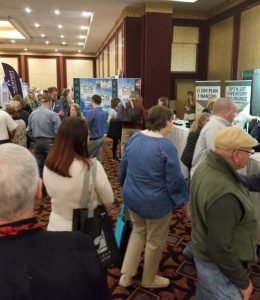
Rows of exhibitors selling products and services at The Tunica Show have been catering to the industry this week. MH professionals have come to the southeast show from as far off as California and New York.
We with MHVillage/Datacomp are among those supplier and service providers, greeting existing and new customers with the latest products and industry ideas.
Sticking with the resort casino theme of the venue, we provided attendees the chance to spin the wheel for a fun prize and the chance for an MHVillage advertising perk — like $50 or a month free.
Take A Look at Tunica Seminars
Industry voices like Paul Barretto from Fannie Mae were on hand to share information with packed rooms of MH Pros looking for the latest news on the secondary markets, and how they’re working to provide opportunity for MH professionals and potential homeowners.
MHVillage’s Darren Krolewski spoke to a packed room on the importance of social media engagement. With seminars starting at 8 a.m. on opening day, the enthusiasm was at an all-time high.
Take A Look at Tunica Manufacturers
Finally, Tunica manufacturer exhibitors saw the skies clear and the crowds flow outside to get a peek at the latest product. There was plenty to see from dozens of manufacturers who have fine-tuned their product for the Spring selling season.
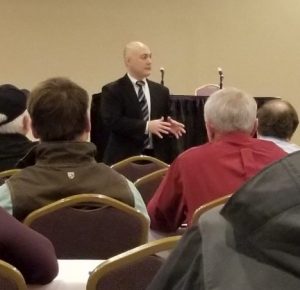
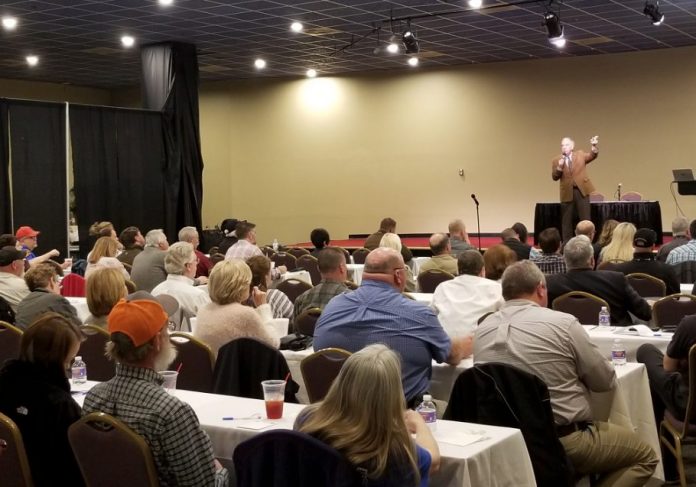
Industry sales consultant Ken Corbin talks to attendees about why people buy homes.
Tunica Manufactured Housing Show Attendees Pack the Hall for Morning Seminars
Ken Corbin, an industry veteran who specializes in business management and sales, told an audience of about 300 attendees at the 2018 Tunica Manufactured Housing Show to prepare themselves for an industry boom.
The industry professional’s goal was to communicate to the audience why people buy homes, and how to sell them.
“The next 10 years, the boom is coming,” Corbin said during his talk at the Hollywood Resorts & Casino.
Corbin sites research that shows retirees downsizing and millennials on the verge of starting families will be primary drivers for an industry poised to ease the pain of a housing crisis.
“We’re going to have 27 million new people in the U.S.,” Corbin said, referring to domestic birth and death rates that will lead to population growth. “It an unbelievable opportunity we have.”
Corbin addressed community owners, service providers, home builders, and retailers in his comments, asking that manufactured housing professionals take their time with customers, sell on emotion and provide quality follow-up.
“Your customers want comfort, they want value and they want to know about the benefits of owning your home,” he said.
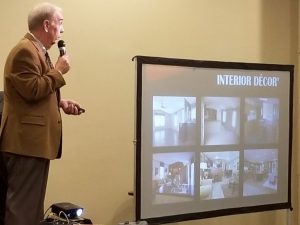
Information provided by a study from Marshall University and Cal State Fullerton, he said, points to why people buy homes. In order of importance, respondents indicated they valued:
Why People Buy Homes
Initial impression/curb appeal
Exterior display/home siting
A thorough home tour/Customer service
Explanation of home features
Being given time
Witnessing family members being engaged
Being brought to understand finance options
Calling people by the first name and creating an inviting and friendly atmosphere for shopping and learning is a must, he said. If you sell homes, organized and information-filled open houses or virtual open houses, now, are important parts of the sales process.
“This is a very easy business,” Corbin said. “It’s a people business. You’re going to work with families, take your time and show the customer what they want.”
SB 2155 Continues Trend of Anticipated Regulatory Relief for Manufactured Housing
The U.S. Senate on Wednesday passed to the House bipartisan legislation in Senate Bill 2155 that looks to peel back some of the “Truth in Lending” restrictions enacted in 2010, and includes amended language that would aid in the finance of manufactured homes.
Language in section 107 of Senate Bill 2155 would redefine what a loan originator is. The change would free up retailers, including community sales operations, to work with clients on some tactical aspects loan qualification without being in violation of regulatory measures.
Senate Bill 2155 Details
Senators from both sides of the aisle voted 67-31 for the bill sponsored by Sen. Mike Crapo, R-Idaho. The bill would re-tune portions of Dodd-Frank legislation and would leave in place a large majority of its protections.
Most significant, the new language would lower the regulatory reporting burden that many have said unnecessarily hinders smaller to midsize local and regional lenders.
Currently, any lender with holdings greater than $50 billion gets the added attention of Dodd-Frank with the Federal Reserve. The change, if it passes the House and is signed by the president, would raise that level five-fold to $250 billion. It also would allow financial institutions with holdings of less than $10 billion to shake loose from the Volcker Rule that bars federally insured banks from trading with depositors’ money.
However, the Fed would retain the right for 18 months following enactment of new legislation to re-institute these same consumer protections for banks with holdings between the $100 billion and $250 billion mark.
“The bill provides much-needed relief from the Dodd-Frank Act for thousands of community banks and credit unions, and will spur lending and economic growth without creating risks to the financial system,” the White House said in an issued statement following Wednesday’s vote.
What Manufactured Housing Gets from SB 2155
A home from Fairmont.
The Manufactured Housing Institute, the trade group representing manufactured housing on a national level, worked with Sen. Joe Donnelly, D-Ind., and other legislators to include the proposed language that will provide greater financing options for this vital class of housing.
Exempted banks would avoid the annual hurdle that ensures an institution has the coffers to endure a moderate range of economic disruption. The change also would eliminate the exempted banks from the requirement to register a dissolution and liquidation plan in the instance that the organization were to founder.
Other features of the bill would exempt some banks and credit unions from the need to report some mortgage loan data. This would change reporting on loan applicant age and credit score, as well as interest rate and loan costs.
Grassroots Lobby Efforts Push 2155
On section 107, MHI’s government affairs team put in significant time working directly with legislators, as well as organizing an information campaign to its membership and beyond, encouraging communication on the issued directed at Capitol Hill. The grassroots effort resulted in more than 3,000 phone calls, email and letters lobbying toward regulatory relief.
Different legislation, H.R. 1699, the Preserving Access to Manufactured House Act, gained House approval in December. It contains similar language to that approved in the Senate Bill 2155, which will need to be reconciled against each other as both chambers progress.
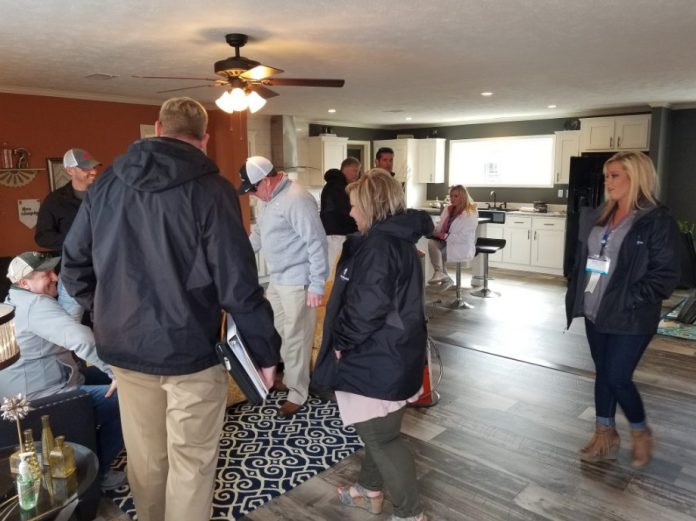
Retailers, community owner/operators, builder/developers and installers look to Tunica for trends in factory-built home design and innovation.
MH professionals will discover products from the industry’s leading suppliers. The show provides professionals the opportunity to gain valuable insights from impactful seminars and take advantage of abundant opportunities to network with their peers.
The pre-show kicks off Monday. The South Central Manufactured Housing Institute hosts a golf tournament, presented by Sunshine Homes. The show starts and ends earlier in the week and in the month than usual, to allow attendees travel time before the weekend and month’s end.
About The Tunica Show
The Hollywood and Resorts Casinos will be the venue for more than 100 exhibiting manufacturers, suppliers and sponsors.
The South Central Manufactured Housing Institute and Show Ways Unlimited organize the show.
So, The Tunica Show captures the attention of the entire manufactured housing industry like few events can. It is the largest outdoor manufactured housing show in the U.S.
“Taking the time to attend a show like Tunica is certainly an investment, but as evidenced by the strong attendance each year, it’s one that everyone will agree pays huge dividends,” Datacomp/MHVillage Co-president and Chief Business Development Officer Darren Krolewski states.
“I personally have always enjoyed the networking opportunities afforded by having lunch at the show,” he adds. “In addition to the two free lunches provided to show attendees on Wednesday and Thursday, there will be a new Supplier Luncheon in the service and supplier exhibit area on Tuesday following the pre-show seminars. It’s a great opportunity to get in some additional networking time while learning more about the latest products and services.”
The Supplier Luncheon is a new feature, and will provide added time and attention for this vital part of the industry.
Northeast U.S. Communities’ Average Rent, Occupancy on the Rise
JLT Manufactured Home Community Market Reports show growth in rental price and occupancy in six of seven markets surveyed in New York, New Hampshire and Maryland for the March 2018 publication.
Datacomp, the nation’s top provider of market data for the manufactured housing industry, in its March 2018 JLT Rent and Occupancy Reports for New York, New Hampshire and Maryland show almost comprehensive growth across three states.
Occupancy for all ages communities in four New York markets rose 0.4 percent year over year, while occupancy growth in all ages parks in Maryland and Southern New Hampshire was 0.5 percent and 0.2 percent respectively.
Age restricted parks (55+) in New York experienced an 0.8 percent increase in occupancy, while the Southern New Hampshire markets surveyed shows a 1.2 percent increase in age restricted parks.
The only market to experience a year over year dip in occupancy was Buffalo/Niagara age restricted communities, which went down 0.3 percent.
Adjusted rents in all seven markets were on the rise, with communities in New York increasing 3.3 percent, Maryland 4.1 percent and Southern New Hampshire 1.9 percent year over year. Rental increases in 55+ communities in those markets slightly outpaced overall adjusted rent growth.
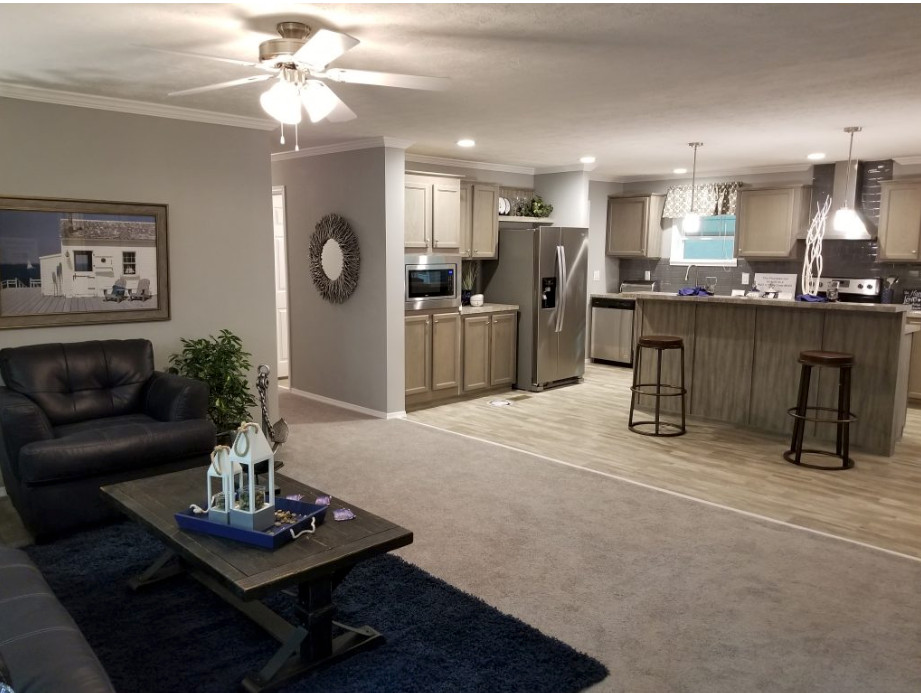
The interior of a new home from Adventure.
JLT Manufactured Home Community Market Reports
The JLT Manufactured Home Market Reports for more than 20 years has been the industry standard for market analysis. JLT Market Reports provide detailed research and information on communities located in 135 major housing markets throughout the United States. Information includes the latest rent trends and statistics, marketing programs and a variety of other useful management insights.
Manufactured home community market reports published in March 2018 includes information on 188 “All ages” and “55+” manufactured home communities. Throughout the six markets, the reports include data representations for 89,558 homesites.
“The 2018 reports for New York, New Hampshire and Maryland have information from major metro population centers and important lower density markets,” Datacomp Co-President and Chief Business Development Officer Darren Krolewski said. “All but one market in the March reports show occupancy increases for communities we track, and adjusted rents increased in all March markets.
“We believe our latest reports will help improve business decision making for managers, investor, owners and other manufactured housing professionals with specific interests in these northeast markets,” Krolewski added.
Manufactured Home Community Reports Rent & Occupancy Trends
Each JLT manufactured home community rent and occupancy report published includes information on investment grade communities in major markets. This includes number of homesites, occupancy rates, rents and increases, community amenities, vacant sites, and repossessed and inventory homes.
A new Fleetwood home at the 2018 Louisville Show
JLT Market Reports are updated annually for each market and include management insights that rank communities by number of homesites, occupancy rates and highest to lowest rents. Established reports show trends in each market with a comparison of March 2018 rents and occupancy rates to March 2017.
They also include a historical recap of rents and occupancy from 1996 to present date in most markets.
The March 2018 JLT Market Reports for New York, New Hampshire and Maryland are available for purchase and immediate download online at the Datacomp JLT Market Report website at www.datacompusa.com/JLT. Or, they may be ordered by phone in electronic or printed editions at (800) 588-5426. Each manufactured home community market report is a comprehensive look at investment grade properties within a market. This enables owners and managers, lenders, appraisers and brokers benchmark those communities and make informed decisions.
Oct. 6-8 at Avalon Hotel in Alpharetta, Ga.
Manufactured housing community owners have never had more information available to them — or more decisions to...
The Midwest Manufactured Housing Federation has announced that attendee registration is now open for the 2027 Louisville Manufactured Housing Show, returning to the Kentucky...
HUD’s Innovative Housing Showcase, MHI’s Homes on the Hill and Annual Meeting Begin Sept. 22
Two of the country’s largest builders of manufactured homes will...





 Branding











 Industry voices like Paul Barretto from Fannie Mae were on hand to share information with packed rooms of MH Pros looking for the latest news on the secondary markets, and how they’re working to provide opportunity for MH professionals and potential homeowners.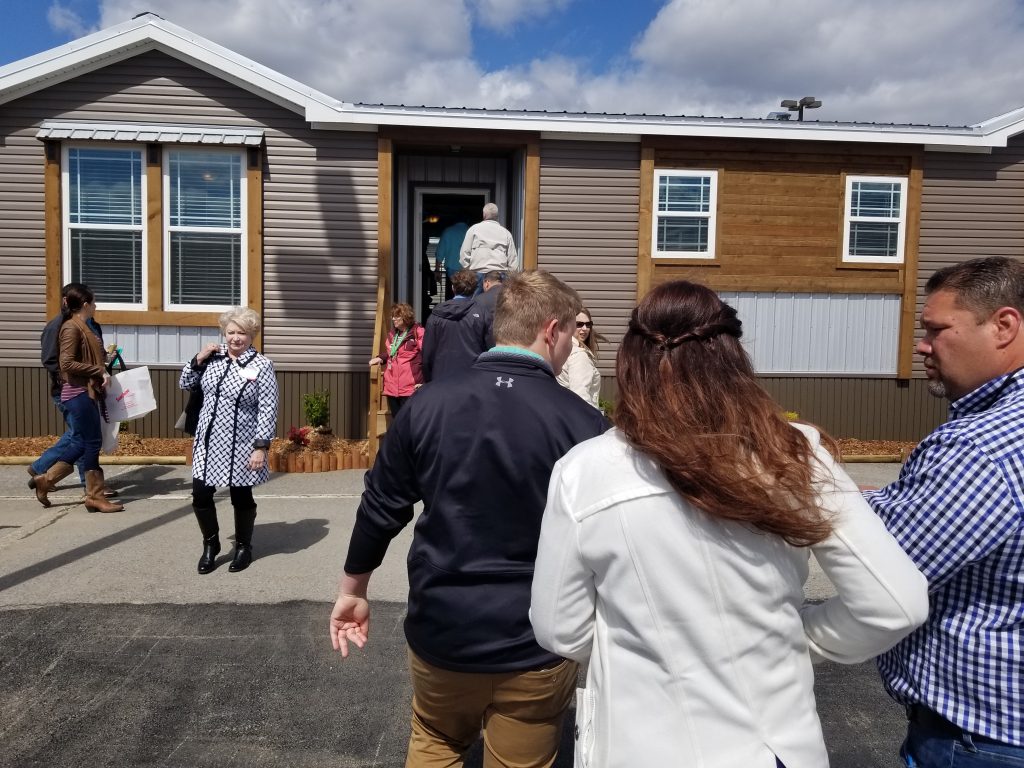
 Why People Buy Homes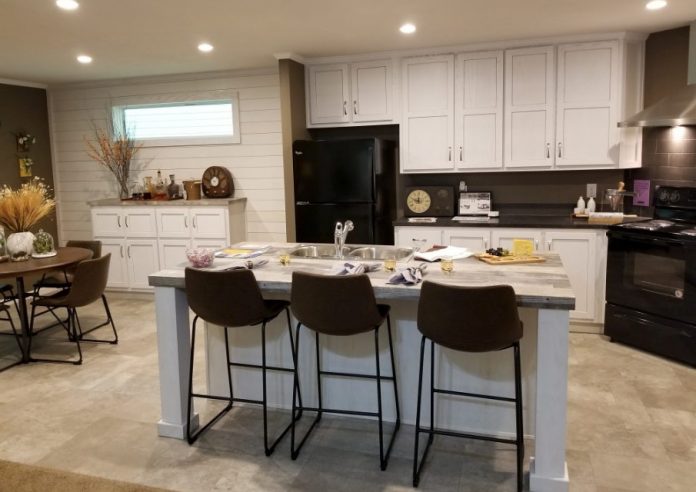
 Senators from both sides of the aisle voted 67-31 for the bill sponsored by Sen. Mike Crapo, R-Idaho. The bill would re-tune portions of Dodd-Frank legislation and would leave in place a large majority of its protections.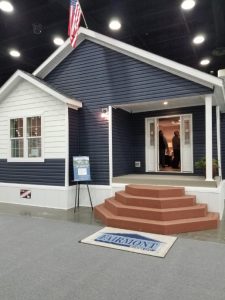

 The Hollywood and Resorts Casinos will be the venue for more than 100 exhibiting manufacturers, suppliers and sponsors.