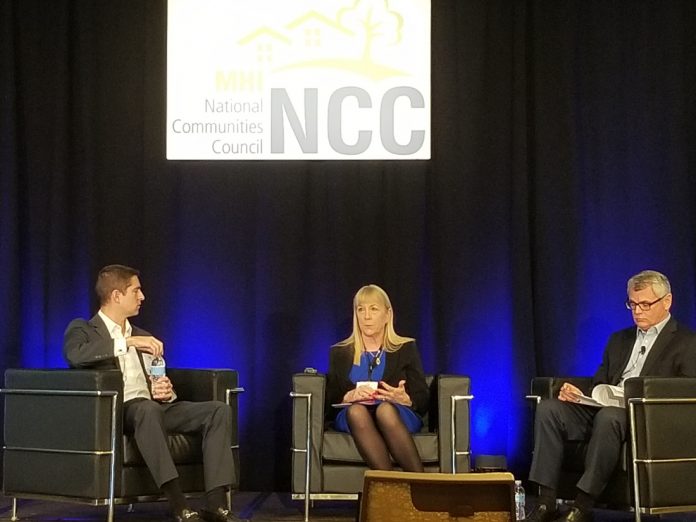
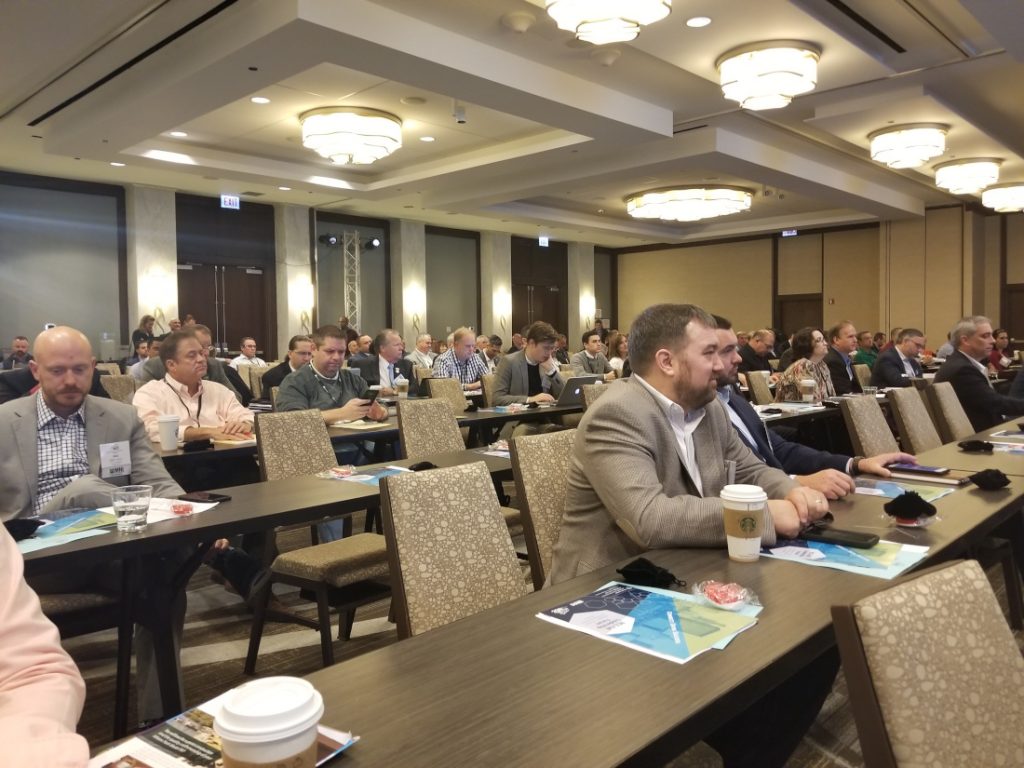
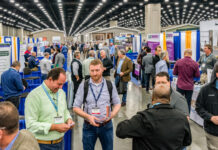
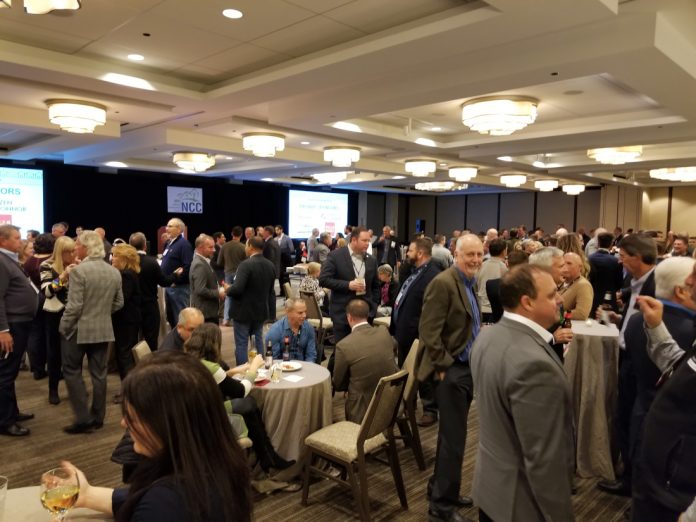
Manufactured housing industry professionals from across the country gather in Chicago for the annual NCC Fall Leadership Forum.
National Communities Council Fall Leadership Forum – Nov. 13-15, Downtown Chicago, Westin Michigan Avenue
The National Communities Council Leadership Forum has begun, with hundreds of manufactured housing industry professionals gathering for 2 1/2 days of education, planning, networking and more.
NCC is the Manufactured Housing Institute’s major annual executive-level strategy meeting for members, which includes:
Community owners
Community managers
Home manufacturers
Industry service providers
Brokers
Lenders
Consultants
The forum offers new ideas, examines trends, and provides industry perspective all packaged in a central meeting location and conducted with a forum that optimizes the agenda on a schedule that minimizes time out of the office.
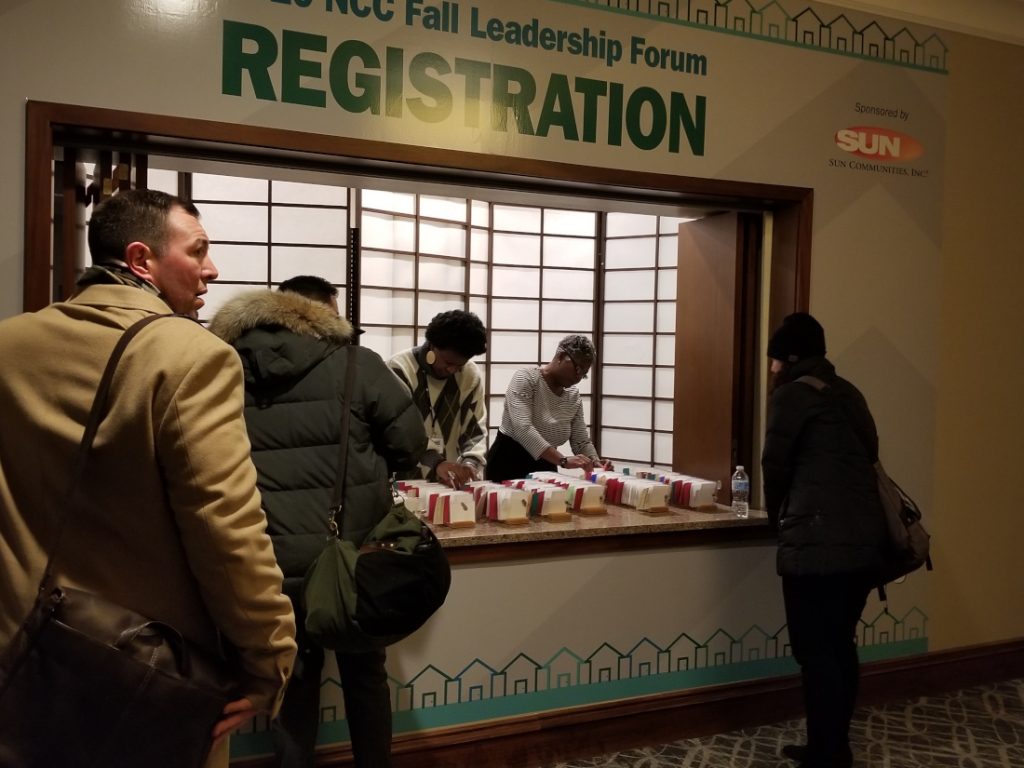
Registration at NCC Fall Leadership Forum in Chicago.
Opening Remarks at NCC Fall Leadership Forum
Registration for the NCC Fall Leadership forum topped 450 attendees prior to the opening night gathering of the event at Westin Michigan Avenue in downtown Chicago. Manufactured housing industry professionals from across the country arrived for a night of networking before a full day of educational seminars, industry updates, and meetings.
Speakers and Topics at the 2019 NCC Fall Leadership Forum
MHI, the nation’s only advocacy group representing all aspects of the manufactured housing industry, has organized more than a dozen leading professionals for moderated panels and industry presentations on the topics of community management, finance, marketing, sales and more.
Networking with the National Communities Council in Chicago
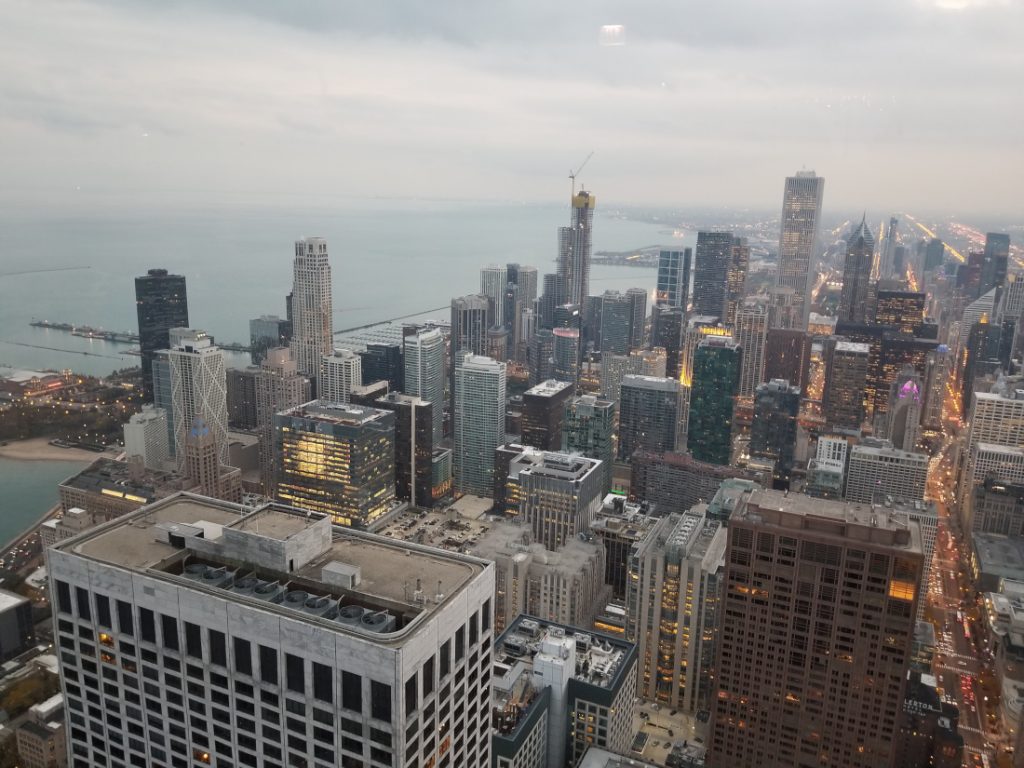
A Thursday afternoon mixer from 5 to 7 p.m., sponsored by Lutz, Bobo & Telfair and Vanderbilt Mortgage and Finance, will be held at 360 Chicago on top floor of the John Hancock Building.
The Manufactured Housing Institute, the only national trade organization representing every segment of the manufactured housing industry, has chosen Dr. Lesli Gooch as the organization’s next CEO, and Mark Bowersox as the organization’s president.
Gooch and Bowersox, who currently serve as executive vice presidents at MHI, will succeed current president and CEO Richard Jennison upon his retirement at year’s end.
“During their time at MHI, Lesli and Mark have been highly effective for our industry,” MHI Board Chairman Tom Hodges said. “We are very excited about them taking the helm at MHI and about the future of the organization under their leadership.”
The announcement was the culmination of a months-long search to replace retiring CEO Jennison. MHI’s Board assembled a search committee, which interviewed and evaluated multiple candidates for the role. Ultimately, a special board meeting was held to amend the organization’s bylaws, creating a dual leadership structure.
“The new leadership structure for MHI creates a unique co-ownership model,” said Hodges. “It allows more capacity within the MHI team to grow the strength of the association and improve outcomes for our members. It’s MHI 2.0.”
Lesli and Mark expressed gratitude for the opportunity to lead MHI’s team and the industry. “We wholly believe that this unique model of leadership positions us to use our complementary skill sets and leadership traits to improve the culture, structure and bottom-line results of MHI,” they stated in a note to the Board. “We believe our skills, abilities, experience and mutual respect make this the best structure to lead the manufactured housing industry into the future.”
Meet the New MHI Leadership
MHI CEO-Elect Dr. Lesli Gooch
Lesli Gooch, currently MHI’s Executive Vice President of Advocacy and Communications, joined the organization in 2014. Because of established, long-standing and bipartisan relationships across Washington, Gooch has helped MHI become an influential and relied upon resource for housing policy, including with Congress, the Administration, the GSEs, the media and other housing industry groups.
She has secured appearances by key Administration officials and members of Congress at association events, including multiple addresses by the HUD Secretary.
During her tenure, she has secured a number of legislative and regulatory successes and a significant increase in bipartisan support for MHI priorities. By completely revamping the approach for grassroots outreach, she significantly improved the effectiveness of the deployment of these assets. Gooch has a doctorate in political science from the prestigious Carl Albert Congressional Research and Studies Center at the University of Oklahoma with concentrations in American government, public policy, and public administration.
Her dissertation, which explores the motivations of members of Congress in selecting issues to champion, provides her with valuable insights and experience about how best to advocate on behalf of the industry.
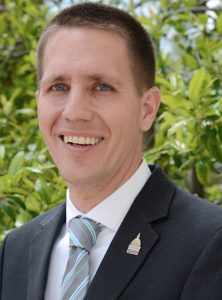
MHI President-Elect Mark Bowersox
Mark Bowersox is currently MHI’s Executive Vice President of Industry Relations. Since joining MHI in 2015, Bowersox has overseen the development of new training programs for community managers, salespeople, and installers which have been migrated to an online learning platform to create a user-friendly experience for members.
With Bowersox heading up MHI’s industry relations efforts the organization’s membership has grown from under 300 members in 2015 to over 900 today.
Event attendance increased by more than 50 percent during the same time period. He joined the organization after serving as the Executive Director of the Indiana Manufactured Housing Association — Recreation Vehicle Indiana Council, where he led all aspects of the organization including financial and personnel management, membership recruitment, board member and volunteer development, industry promotion and advocacy.
Representing both industries as a legislative and regulatory lobbyist, he developed relationships with employees and elected officials in local, state and federal offices. Working at the state level for more than 10 years, Bowersox built his knowledge of the industry from the ground up with first-hand experience in zoning, titling, installations and other challenging issues. He began his trade association career at an association management firm where he managed national trade associations.
Bruce Thelen , Jody Gabel, and Ron Bunce discuss resident relations during the NCC meeting in 2018.
National Communities Council – Annual Event in Downtown Chicago
More than 400 manufactured housing industry leaders meet at the Westin Michigan Avenue in Chicago for the National Communities Council Fall Leadership Forum.
The NCC Fall Leadership Forum is the Manufactured Housing Institute’s major annual executive-level strategy meeting for members. Manufactured housing industry professionals in attendance will include:
Community owners
Community managers
Home manufacturers
Industry service providers
Brokers
Lenders
Consultants
The forum offers new ideas, examines new trends, and provides perspective for manufactured housing industry professionals doing business with communities. Organizers have put together two nights and 1-1/2 days of programming geared toward executives who need a limited time from the office and a high-impact meeting agenda.
Attendees at NCC during the 2018 forum.
Speakers and Topics at the NCC Fall Leadership Forum
MHI, the nation’s only advocacy group representing all aspects of the manufactured housing industry, has organized more than a dozen leading professionals for moderated panels and industry presentations on the topics of community management, finance, marketing, sales and more.
Following is a brief description of the panels and presentations awaiting at the NCC meeting in Chicago.
Selection of Previous NCC Fall Leadership Forum Speakers and Presenters
Welcome and Chairman’s Report
MHI NCC Division Chairman Stephen Braun, co-president and COO of Hometown America provides a state-of-the-industry report.
Influencing Industry Perceptions by Telling Your Story
Steve Schaub, president and CEO of YES Communities will talk about how his company has successfully told its story to create a positive perception of land-lease communities among policymakers, media and potential customers.
The State of the Housing Market
Dr. Mark Palim, deputy chief economist for Fannie Mae will discuss recent developments in the economy and the housing market.
Navigating Today’s Political Landscape in Washington
The Hon. Sean Duffy, former U.S. representative and chairman of the House Financial Services Subcommittee on Housing & Insurance will share insights about successfully navigating the current landscape in Washington with an overview of the 2020 elections.
NCC Code of Ethics
Jody Gabel, partner at Lutz, Bobo & Telfair will detail eight key principles of the new NCC Code of Ethics and why it is critical for you to incorporate these standards into your business.
Rent Control: Lessons from Recent Experiences
Moderated by NCC Division Vice-Chairman Bill Raffoul, director of capital investments for Sun Communities, the topic will be taken up by a panel that includes C. William Dahlin, Esq., partner at Hart King, Susy Forbath, a government relations professional with Cozen O’Connor, and Mark Glaser, a shareholder with Greenberg Traurig.
Data-Driven Benefits Analysis of Land-Lease Manufactured Housing Communities
Chris Fisher, managing principal for DuckerFrontier, will cover the vital role communities play in providing affordable housing across the country, and how “bad actors” and negative media coverage undermines the value of this important path to homeownership.
Telling Your Story with (or more likely without) the Media!
Robert Johnson, president of Washington Media Group, will share creative ways to get media coverage, and tell you how to report your stories to your audiences without ever talking to a journalist.
A view from 360 Chicago atop the John Hancock Building.
Datacomp announced the publication of its November 2019 manufactured home community rent and occupancy reports for Oregon, Idaho, Minnesota, and Washington.
JLT Market Reports provide detailed research and information on communities in 180 major housing markets throughout the United States. These include the latest rent trends and statistics, Oregon rent control and next rent increase, as well as a variety of other useful management insights.
Datacomp publishes the JLT Market Reports and is the nation’s #1 provider of market data for the manufactured housing industry. JLT Market Reports are recognized as the industry standard formanufactured home community market analysis.
November 2019 manufactured housing market data published in JLT Market Reports for Oregon, Idaho, Minnesota, and Washington include information on 297 “All ages” and “55+” manufactured home communities.
Altogether, the reports on the states’ manufactured home communities include data representations for 51,112 homesites.
“Average adjusted rent numbers represented in our November JLT Market Reports showed consistent appreciation in all four states,” Datacomp Co-President and Chief Business Development Officer Darren Krolewski said. “Occupancy also showed a strong upward trend in seven of the 10 markets covered, with slight decreases in three of the represented markets. ”
More About JLT Market Reports
Each JLT manufactured home community rent and occupancy from Datacomp has detailed information about investment grade communities in the major markets. The detailed information includes:
Number of homesites
Occupancy rates
Average community rents, and increases
Community amenities
Vacant lots
Repossessed and inventory homes, and much more
Oregon rent control and next increase data
JLT Market Reports also include management insights that rank communities by number of homesites, occupancy rates and highest to lowest rents. Established reports show trends in each market with a comparison of November 2019 rents and occupancy rates to November 2018, as well as a historical recap of rents and occupancy from 1996 to present date in most markets.
Each fully updated report for mobile home communities is a comprehensive look at investment grade properties within a market, enabling owners and managers, lenders, appraisers, brokers and other organizations to effectively benchmark those communities and make informed decisions.
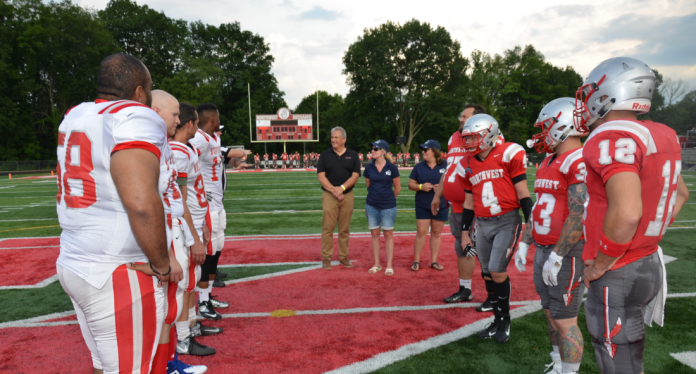
The teams and UMH representatives meet at midfield for the coin toss.
UMH Properties, Northwest Ohio Industry Reps, Players Offer New Meaning to ‘Home Game’
UMH Properties was the title sponsor for the Second Annual Independence Bowl in Northeast Ohio, a hotbed for high school football talent nationally.
The game featured former All-Stars of the Northwest High School football team of Canal Fulton, Ohio, against the military veterans and semi-pro laden “Team Red, White and Blue”.
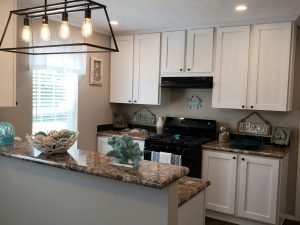
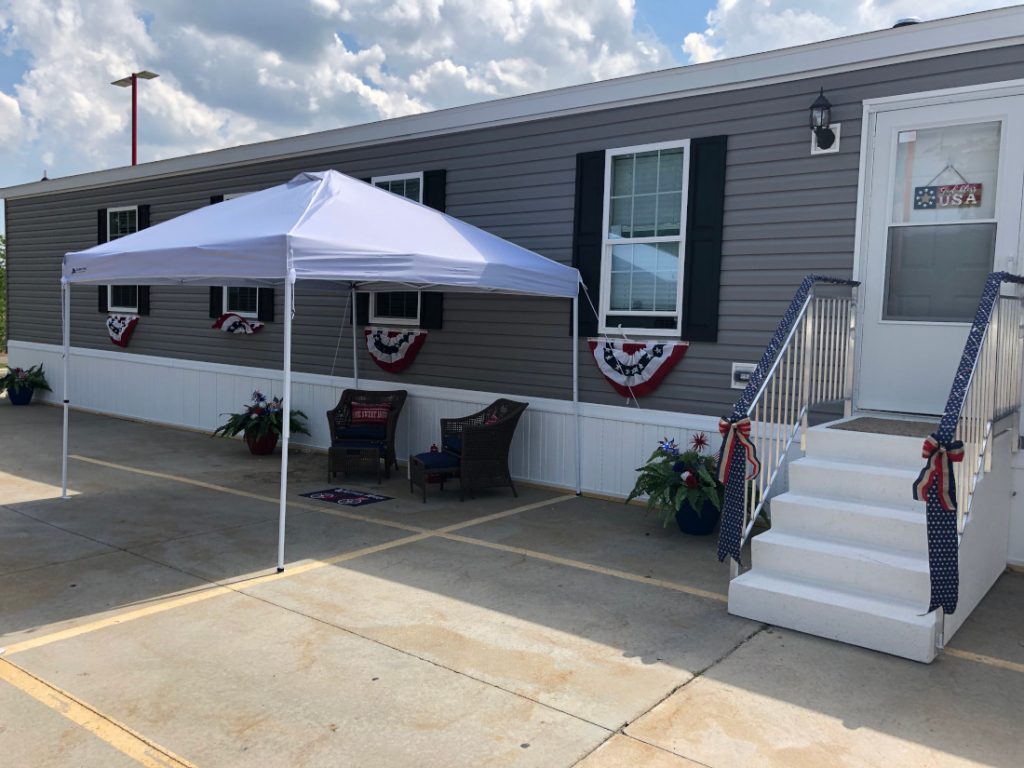
UMH displayed a new manufactured home at the game. Other promotions included sponsorship of radio powerhouse Q92’s game broadcast. Also, regional cable TV provider Massillon Cable aired the game through the region.
Ohio Manufactured Housing Association Executive Director Tim Williams saw limited action in the game, a summer scrimmage. He joined his much younger teammates, including his son, Todd, on the field.
Northwest won the 2019 Independence Bowl 28-0.
The victory came on the arm and legs of 2010 all-state and former college quarterback Bryan Jones. He rushed for nearly 100 yards while throwing for more than 200 yards, including three touchdowns through the air.
The exterior of a new manufactured home on display as part of UMH Properties’ sponsorship of the 2nd Annual Independence Bowl. All photos courtesy of OMHA.
UMH Provides Creative Approach to Industry Promotions
UMH’s industry promotion comes on the heels of its home display on the National Mall in Washington, D.C. The company also has been a primary sponsor of the Eastern Ohio Manufactured Homes Show.
All-Stars quarterback Tim Williams rolls right looking for a receiver during the 2nd Annual Independence Bowl.
“The tremendous and innovative promotions of our industry by UMH in non-traditional settings present our homes to an expanded demographic of future consumers,” said Williams, a former Northwest football player. “Numerous fans at the June Bowl game expressed their amazement at the quality, amenities and ‘wow factor’ of the UMH home. OMHA also thanks UMH for its promotion of our industry in Ohio.”
UMH’s Ohio Regional Manager Angi Smith, Director of Public Relations Kristi McGovern and Mansion Sales Representative Dave Taylor joined Williams’ All-Stars. They served as co-captains for the pre-game coin toss.
OMHA, various Northwest Athletics and Canal Fulton social media posts reached over 15,000 people throughout the two-month promotion leading up to the game. Local businesses including several realtors served as associate sponsors supporting the efforts.
All-New Lineup Offers Affordable Housing Solutions, Building Components for Builder Developers
Skyline Champion Corporation has unveiled its new Genesis® line of homes with a special focus on convenience and affordability for builders and developers. Each of the 11 new Genesis models in the re-configured line can be built as a manufactured home, a modular home, or as an accessory dwelling unit.
Genesis housing solutions will be offered at 23 manufacturing campuses. Collectively, the factory locations will be able to deliver homes to all 48 contiguous states.
“Affordable housing and skilled labor shortages are two of the nation’s largest concerns and with Genesis, we’re positioned to provide solutions for both,” said Wade Lyall, executive vice president of sales & business development for Skyline Champion Corporation. “Each of our manufacturing centers building Genesis employs a consistent workforce totaling over 3,300 skilled team members who build high-quality homes indoors using innovative and efficient building techniques. These benefits contribute significant cost savings making our homes some of the most affordable and desirable in the country.”
The Return of Genesis Coincides with Market Dynamics, Demand
Mark Yost, President and CEO of Skyline Champion Corporation, said the Genesis line will save builders time. It also will provide sustainable and attainable homes to a diverse range of buyers.
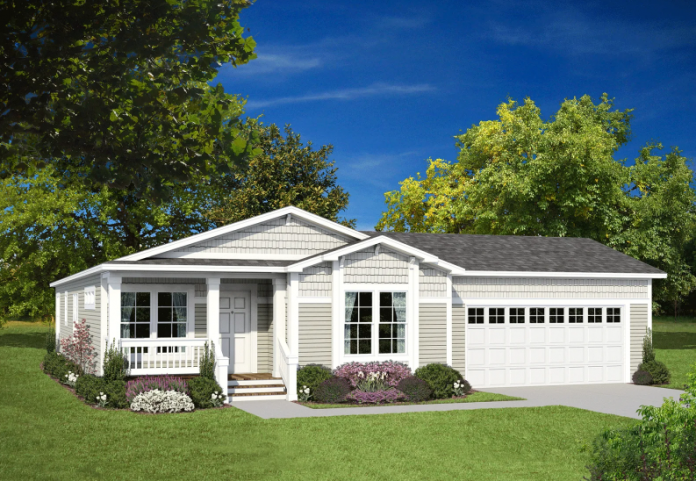
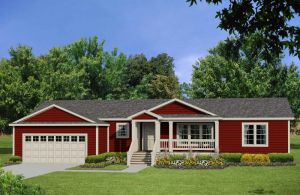
Model 4 among the new Genesis homes.
“The off-site component approach to homebuilding gives builders, developers and housing innovators a near turnkey solution, while reducing risk, and alleviates the challenges of managing multiple sub-contractors,” Yost said. “From small, minimalist units to larger spaces for growing families, Genesis will offer homes with the popular features homebuyers are looking for and designs geared for their lifestyle and budget.”
Champion halted production of Genesis homes coinciding with changes in the housing market more than a decade ago. Its return is based upon housing affordability and availability concerns in most major markets.
The new lineup of Genesis models consists of ranch-style homes designed for residential lots and planned developments. In addition, a coming series of five ADUs, equipped with smart home technology and modern finishes, has been developed to meet the growing demand for back-yard units in regions where municipalities are re-writing zoning laws.
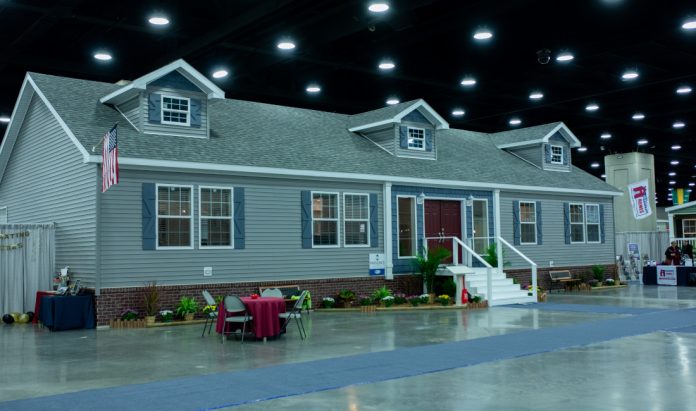
Skyline Champion to Show New Genesis Homes at International Builders Show
Genesis will display two of its new models at the 2020 International Builders Show on January 21-23 in Las Vegas. The first model will be a 1,493 square-foot, 3-bedroom, 2-bath ranch with an attached garage. The second model will be a 510 square-foot, 1-bedroom, 1-bath ADU.
Both models will be in the Outdoor Exhibits area IBS in spaces P10 and P12.
Adventure Homes, based in Garrett, Ind., for four consecutive years has won the MHI award for Excellence In Manufactured Housing among manufacturers with fewer than three plants. The company is a privately owned, independent home builder with a strong following in the Great Lakes and Midwest regions.
General Manager Rich Rice recently took some time to chat about the business.
What are your biggest challenges?
The biggest challenge on the sales or consumer side is the availability to finance. On the production side, it’s employment. It’s been very difficult to find and retain qualified employees. There’s a tie-in with states and their TARP money, which is money given to the states to help people keep their homes.
There’s a circle here. Housing is a primary roadblock in stabilizing the workforce. So we need more stable housing to stabilize the workforce, especially when the unemployment rate is at a historic low. Yet, we need employees to help make homes.
What are you most optimistic about?
The No. 1 question at this year’s Louisville Show is where I think this market is going. With modular, manufactured retail, manufactured for communities… My answer was, “Let me walk you through our houses”, because you have to have the product that’s needed in the market no matter where the demand is. The market is going to take care of itself… it just depends on what happens with what kind of financing becomes available, and where the buying and selling occurs.
We have product available in all spectrums, from a low-end rental that can go to a community to a larger sectional HUD home that can go into a new development. We listen to the customer and we’re going to design for what we’re hearing.
What are the greatest obstacles to building manufactured homes?
The key is in the materials and government oversight. With the government getting involved with the tariffs on China, we know the hard material costs are going to change. Now, we can always pay more, even if it hurts. But if at some point you can’t get the supply of materials at all, that will shut down a line.
What major trends do you see coming for MH manufacturers?
The increase of people participating in trade shows and conferences is something that will make a big difference. I don’t think people go to industry events like this and go back home intending to operate in the same way. Professionals from all parts of the industry are taking notice in ways I’ve not seen. They really want and need to stay ahead. They can’t go back home and say, “I’m just going to keep making single-section homes”. It’s very hard to operate that way any longer.
What advice would you give retailers selling manufactured homes?
I’m unsure I’d want to define this as advice, but I will say that it shouldn’t matter whether you run one plant or 90, you need to let your production be focused on what the customer wants. You cannot sit in a boardroom with a designer and product development people and expect to make a home that will sell the way you want.
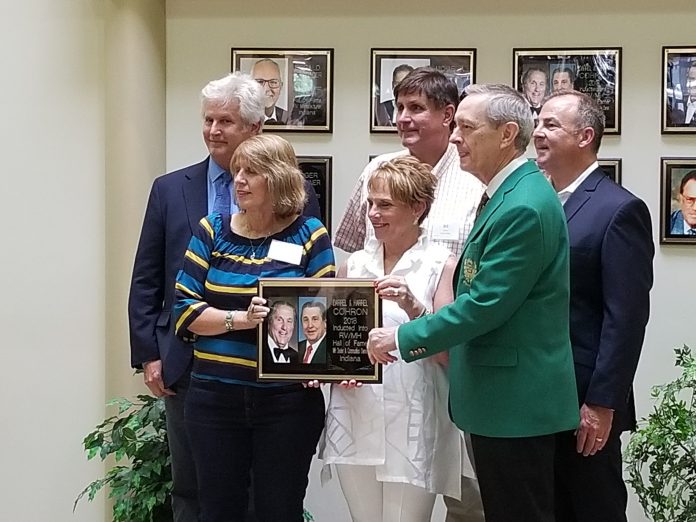
Karen Rhoades and Sheila Voelkel, family of Harrel and Darrel Cohron, hold the enshrinement plaque and stand in for photos with RV/MH Hall of Fame Chairman of the Board Joe Stegmayer. In the back row is Brad, Bill and Bob Cohron.
Industry Mourns the Passing of Indiana Manufactured Housing Professional
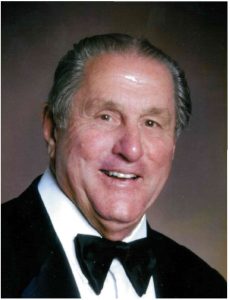
Darrel C. Cohron
Darrel Clyde Cohron of Indianapolis, distinguished among manufactured housing professionals in the operation of manufactured home communities, died Oct. 9, 2019, at Community North Hospital in Indianapolis. He was 86.
Mr. Cohron, always closely associated with his twin brother Harrel, was born on Nov. 11, 1932, near Morgantown, Ky. Darrel arrived 90 minutes after Harrel, and the pair was inseparable from that time until Harrel’s death in 2008.
Their father Ben Cohron died when the twins were two years old. About eight years later the boys’ mother passed away.
Their brother Paul Cohron, his wife Mary, and sister Sarah Dean Kuykendall with her husband Walter raised the twins from there.
The Cohron Family Business
In 1948, Mr. Cohron moved from Kentucky to Indianapolis where he graduated from Warren Central High School. He served in the U.S. Army in the early to mid-1950s and married Shirley Campbell on Aug. 31, 1956 at Cumberland First Baptist Church.
The brothers co-founded Cohron’s Manufactured Housing in 1955.
Cohron’s Manufactured Homes owns seven communities in central Indiana, all within close proximity of each other, including Greenbriar, which is a celebrated community. The Cohron family continues to operate Cohron’s Manufactured Homes.
He noted that the brothers sold on average 550 homes a year during the 1960s and 1970s. Additionally, the two are the only pair of professionals inducted together into the Hall of Fame.
Well-Deserved Honors
Mr. Cohron also was a member of Masonic Lodge 134 in Acton, Ind., and was honored with the state of Indiana’s prestigious Sagamore of the Wabash award. The award has been bestowed upon astronauts, presidents, ambassadors, artists, musicians, politicians, and other Indiana residents who have contributed greatly to Hoosier heritage.
Along with spending time with family, and creating great places to live in central Indiana, other activities Mr. Cohron held in high regard were hunting, fishing, as well as running the farm and tractors.
Mr. Cohron is preceded in death by his wife Shirley; father, Ben; mother, Clyde; brothers Harrel, Getty, Leonard, Paul, and Glen; sisters Sarah Dean and Louise. Survivors include daughter Sheila (Dana) Voelkel; son Robert (Diane) Cohron; sister-in-law Sonja Glassing; grandchildren Kirk (Melanie) Voelkel, Mindee (Jake) Upton, Dustin (Nikki) Voelkel, Matt (Jenni) Cohron, Stephanie (Bob) Ewing, and 10 great-grandchildren.
Services for Darrel Cohron
Visitation will be Tuesday, Oct. 15, 2019 from 4 – 8 p.m. at the Community Life Center at Washington Park East Cemetery. Funeral services will take place the following morning at 11 a.m., also at the Community Life Center.
Burial will follow in Washington Park East Cemetery.
Memorial contributions to the Alzheimer’s Association or a charity of choice in lieu of flowers are encouraged.
Darrel’s sense of humor, big personality and generosity are missed by all who knew him. Guests at the services should wear bright colors to match Darrel’s personality, his family said. Guests also are asked to write down and share a Darrel or Harrel story. A memory table and keepsake box will be available at the Community Life Center.
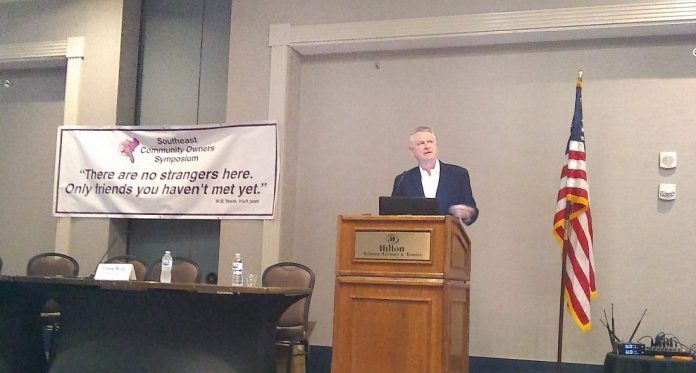
Frank Rolfe discusses rehabbing older communities.
SECO19 Important Industry Updates and Takeaways
The 2019 SECO conference provided a wealth of industry knowledge to its 450 attendees. To kick off this year’s event, there were a number of seminars to help educate attendees by addressing questions that many new community owners encounter during initial ownership. Subsequent days offered in-depth information about financing options, rehabbing communities and overall park operation.
SECO19 Presenters and Highlights
Day 1: Educational Seminars
SECO19, the symposium for Southeast Community Owners, began October 8 with a number of educational seminars, the first of those being “Everything Newbies Want to Know, But Are Afraid to Ask”. The seminar honed in on some key issues that attendees new to the industry had questions about such as brokerage, rehabilitating older parks, and purchasing new homes for a recently acquired park.
Other informational seminars included presentations on how to get the most out of social media and digital marketing, tax-efficient business structures and community planning.
These seminars are unique to SECO, and created with the intention of providing valuable information to new community owners and operators. SECO exhibitors and industry professionals addressed queries based on experience and knowledge to improve “newbie” processes and success rates.
Day 2: Community Planning, Rehabs, and Marketing
Presentations on the second day of SECO19 involved many industry veterans, like Don Westphal and Darren Krolewski. Attendees were actively involved in panel discussions throughout the day, and questions were encouraged.
Westphal kicked-off the day with commentary on industry history, including his own career which spans over 56 years. He proceeded to engage the audience with a discussion around comparative pricing, community planning, and design.
On consultancy, Westphal described his experience while planning and zoning Memphis Mobile City which required that the 100-year floodplain elevation be raised.
Regarding this setback, he explained that “Success stories are based on finding a site without a lot of negatives and doing your homework.”
Midday, Jon Harrison of Inspire Communities took the stage with an insightful presentation on rehabilitating older mobile home communities. He aided in the renovation of Coweta Mobile Home Park and provided extensive details about unexpected costs, regulations and what to expect when you update a manufactured housing community.
With work, Harrison and the team were able to install new custom units with porches and gourmet kitchens. The renovation also includes ample parking space and large than usual master suites.
The combined efforts produced a beautiful, owner-occupied community for residents of the Atlanta suburb.
He advised community owners on the essentials for building a holistic marketing campaign, including informative signage, web presence, communication preferences and attaining maximum reach.
The remainder of the evening included opportunities to meet and visit exhibitors, a reception, and individual, roundtable discussions with the day’s speakers.
Day 3: Economic Considerations, Financing and Wrap-up
The final day’s events began with a presentation on “The Social and Economic Impacts of Bringing Old Communities Back to Life” by Frank Rolfe of MHU. He provided a detailed explanation of the challenges in revitalizing an older community and considerations for new buyers to be aware of.
Rolfe identified several things that new owners should take note of when assuming ownership of a community. He explained understanding your community’s pride-of-ownership, grandfathering, and rent control.
In order to keep tenants up-to-date on current initiatives, Rolfe implored listeners to educate residents on plans for change before updates begin, explaining to listeners that “Sometimes it helps if you tell people what the heck you’re doing.”
The remainder of the day’s events included a session with mini-TED talks, to address attendee-suggested topics in short form. Another discussion around chattel mobile home financing included a panel of experts, like Jerry Bretton, Scott MacFarlane, and Ron Roldan.
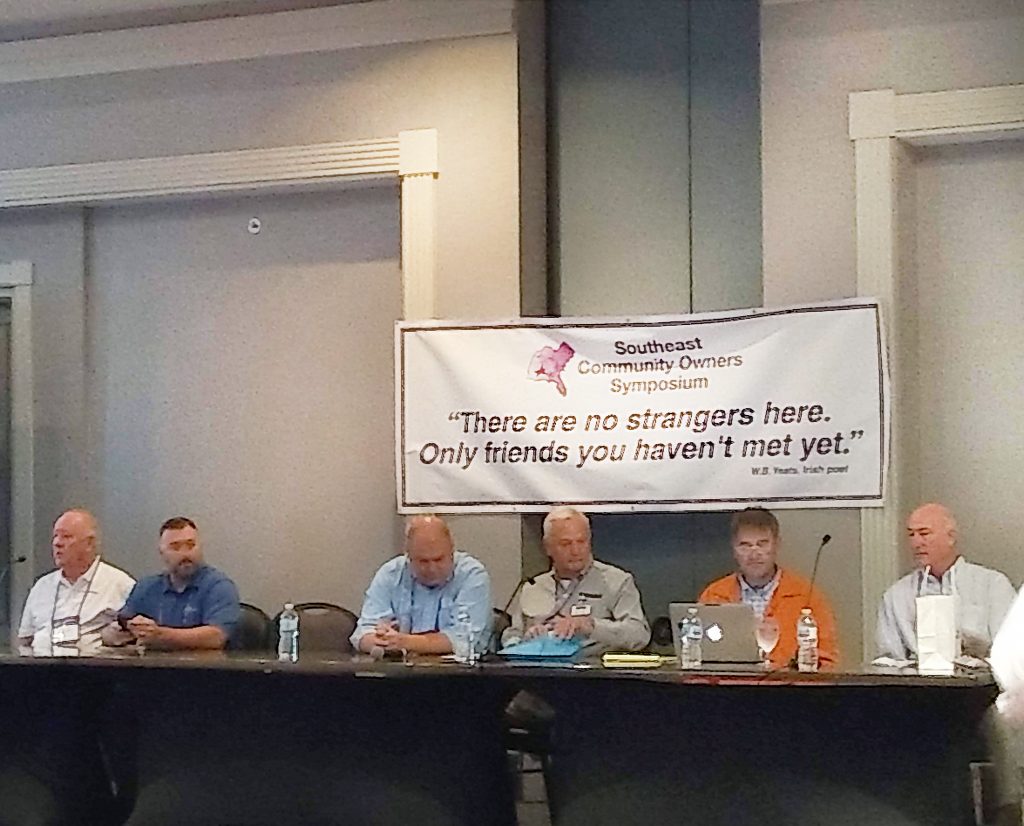
Jerry Bretton, Scott MacFarlane, Kirk McDowell, Ron Roldan, and moderator Ed Barber discuss chattel financing.
The team provided attendees with an extensive breakdown of financing dos and don’ts, and financers for prospective community owners wanting to expand their portfolio.
Bretton advised the audience that his organization, Credit Line says “Roughly 2-3 days to qualify (for financing), but the approval process can take up to 30 days.” He explained that total qualifying time could take slightly more than a month.
The final sessions included an operations discussion about park brokerage and available LLC options for community owners.
Margaret Ann Clark, an experienced community owner from Des Moines, Iowa, commented that “If you bring in a new and home, it’s new now but later it’s just cheap.”
Concluding SECO19
As the week’s presentations came to a close, exhibitors and community owners exchanged contact information and well wishes. This year’s event was a perfect example of the networking and education required in the manufactured home industry.
Attendees experienced the benefits of hearing from educated industry professionals who provided advice to those interested in joining the industry or expanding their book of business.
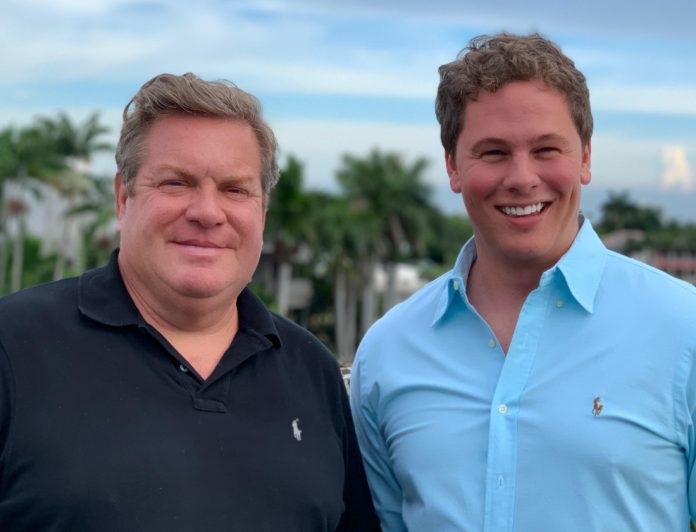
Mike Bender, left, and Matt Ring, owners of Time Out Properties.
A Focus on Small, Rural Parks Unlikely to Get Corporate Attention
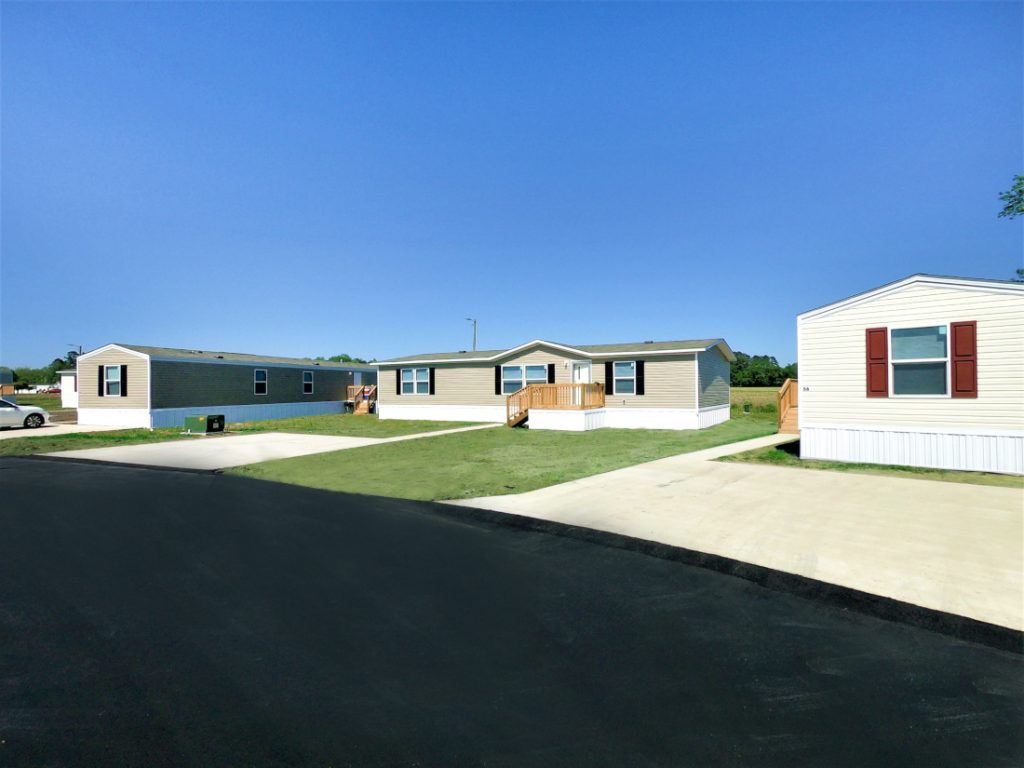
West Estates in Lumberton, N.C. received new homes, poured concrete pads and paths, as well as new asphalt streets.
Operators of small communities in the midst of rehabilitating 30 properties in North Carolina and Illinois are improving affordable housing stock in rural communities.
And, in the near future, the pair may be looking to buy and replicate the process anywhere from North Dakota to Florida.
“For the next four to six months we’re working as hard as we can to get 50 homes per month because the demand is there,” Time Out Properties Co-owner Mike Bender said. “The primary reason to purchase communities in Robeson County is because of the tremendous demand for affordable housing caused by thousands of new jobs at the pork and poultry processing facilities.”
Time Out picked up all but two of the communities in late 2017 and the spring of 2018. Matt Ring owned the two Illinois properties at the time he and Bender, a former software developer, agreed to partner.
Most of the purchases come from individual owners of one or two properties.
“We didn’t go the traditional route, working through a broker. We researched and called around and made some offers,” Matt Ring said. “I think we picked up the first 16-20 parks that way.
“The big REITs are unlikely to go after communities like this because they’re the smaller rural parks,” he added.
Time Out Properties invested more than $13 million for improvements in its communities DURING the past 18 months
Laiken Estates in Lumberton, N.C.
Low Occupancy Communities in Growing Markets
Time Out Properties used all variety of marketing to fill communities, including web, direct mail, TV, radio, and social media marketing, Bender said.
Most new residents in Robeson County have recently arrived for work, Bender said.
“Some of the parks were so bad we really had to bring down everything and start over,” Ring said. “Regardless, the direction and mission is to go out and identify communities that need to be rehabilitated and work toward keeping them in that affordable housing stock.”
At the time the pair began hunting for parks, Bender had lived in North Carolina for 25 years. His solid understanding of what markets could support a rehabbed community came into play. A third of the communities in the portfolio are up to near full if not full occupancy. Another 10 parks are 60% occupied. The remaining 10 are in full rehab mode with low occupancy.
Time Out’s communities provide manufactured homes for sale, and have park-owned rental homes that makes up about 25% of each community.
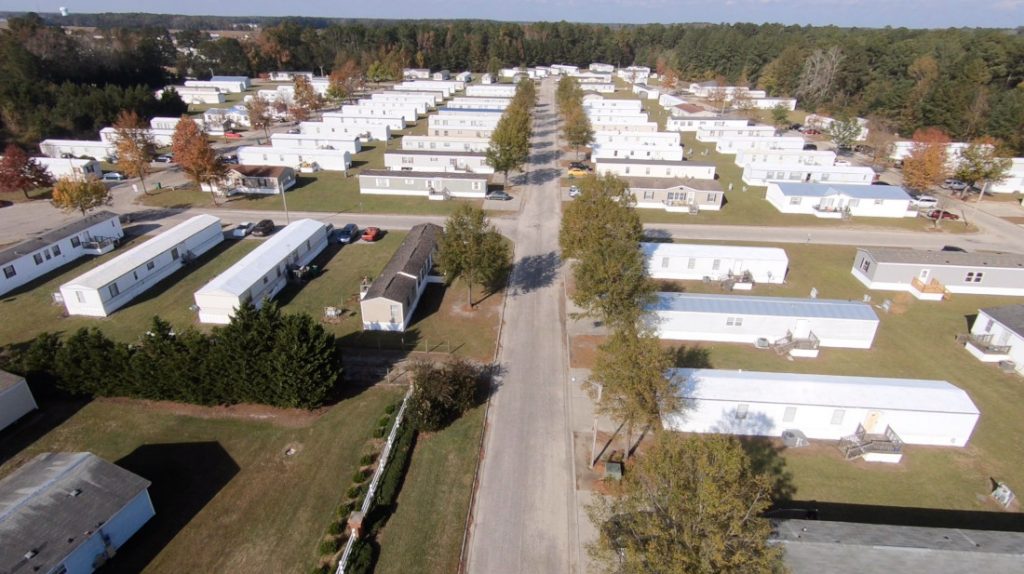
An aerial view of one of Time Out Properties’ Illinois communities.
Ring and Bender said the Illinois parks generally are more stable than the ones recently purchased in North Carolina. Still, the two move back and forth between the locales to maintain and improve the entire portfolio.
“North Carolina has a tremendous amount of activity, and currently, we’re in Springfield Ill., working with community managers,” Bender said. “It’s important to get everything ready before ice and snow hits the Illinois market.”
Eaglewood Mobile Home Park Will Be ‘Feature Park’ in Portfolio
A focal point of the community rehab process right now is Eaglewood Mobile Home Park in Lumberton, N.C.
The company removed and replaced 30 homes. It also replaced or upgraded water utilities, sewer, electric power and roadways within the community.
“Eaglewood is in a wonderful school district that’s in high demand,” Bender said. “We rehabbed a park right near there and it sold out quickly. So, we know this one is going to work out too, but it’s a hurdle. At some point, this is going to be the feature park that we use to show improvement with before and after photos.”
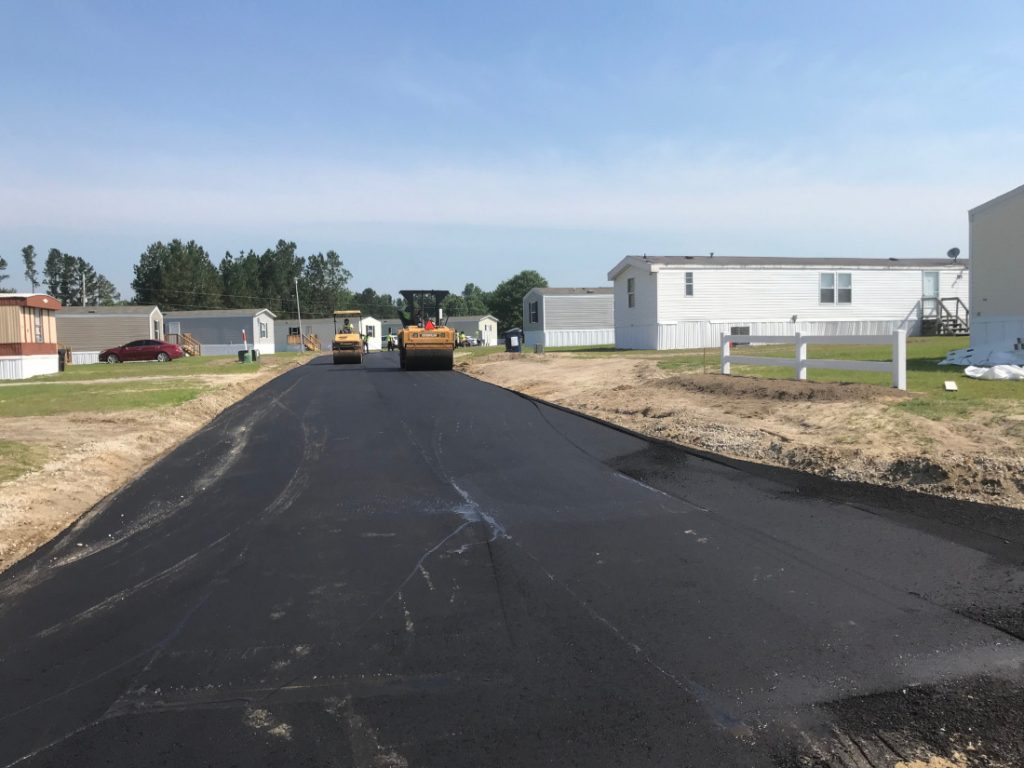
Pine Run in Shannon, N.C., receives infrastructure upgrades, including new roads.
New Manufactured Homes Arrive 10 or More at a Time
Time Out is buying new homes in sets of 10 or more at a time, primarily working with Clayton Homes and the company’s TRU product, an entry-level single-section home. They are fixing up homes that are in good shape and buying new homes to replace the really rundown dwellings.
TRU even is building a custom 14×76’ four-bedroom single-section home specifically for community infill with Time Out Properties.
All of Time Out Properties’ communities are parks intended for working-class families. And while they’re acquisition strategy will expand to other states, the type of park will remain the same — rural communities in growing markets where affordable housing is in high demand.
“In Robeson County, we removed about 100 manufactured homes. The ones that were really in disrepair and couldn’t be renovated,” Bender said.
Time Out instituted full-time security on some properties. It started community watch programs at others, all in an effort to maintain safe and friendly communities.
“We’re in the poorest county in the state so it can get a little rough at times, but we are confident we can make some nice safe places to live, and we don’t have much competition,” Bender said.
Oct. 6-8 at Avalon Hotel in Alpharetta, Ga.
Manufactured housing community owners have never had more information available to them — or more decisions to...
The Midwest Manufactured Housing Federation has announced that attendee registration is now open for the 2027 Louisville Manufactured Housing Show, returning to the Kentucky...
HUD’s Innovative Housing Showcase, MHI’s Homes on the Hill and Annual Meeting Begin Sept. 22
Two of the country’s largest builders of manufactured homes will...



 Mark Bowersox is currently MHI’s Executive Vice President of Industry Relations. Since joining MHI in 2015, Bowersox has overseen the development of new training programs for community managers, salespeople, and installers which have been migrated to an online learning platform to create a user-friendly experience for members.