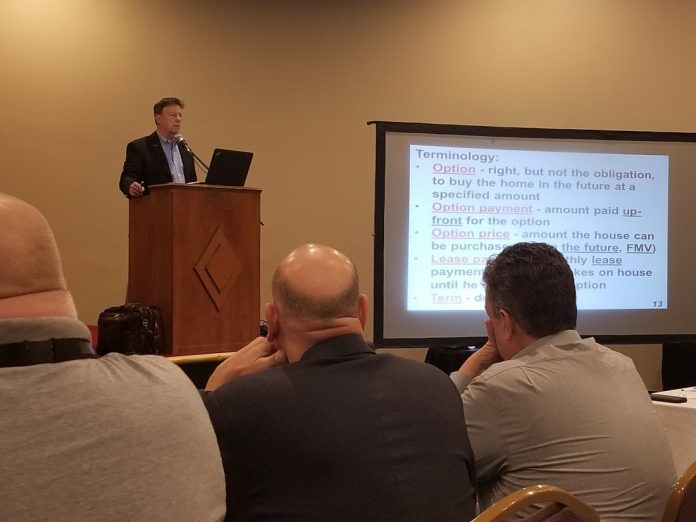
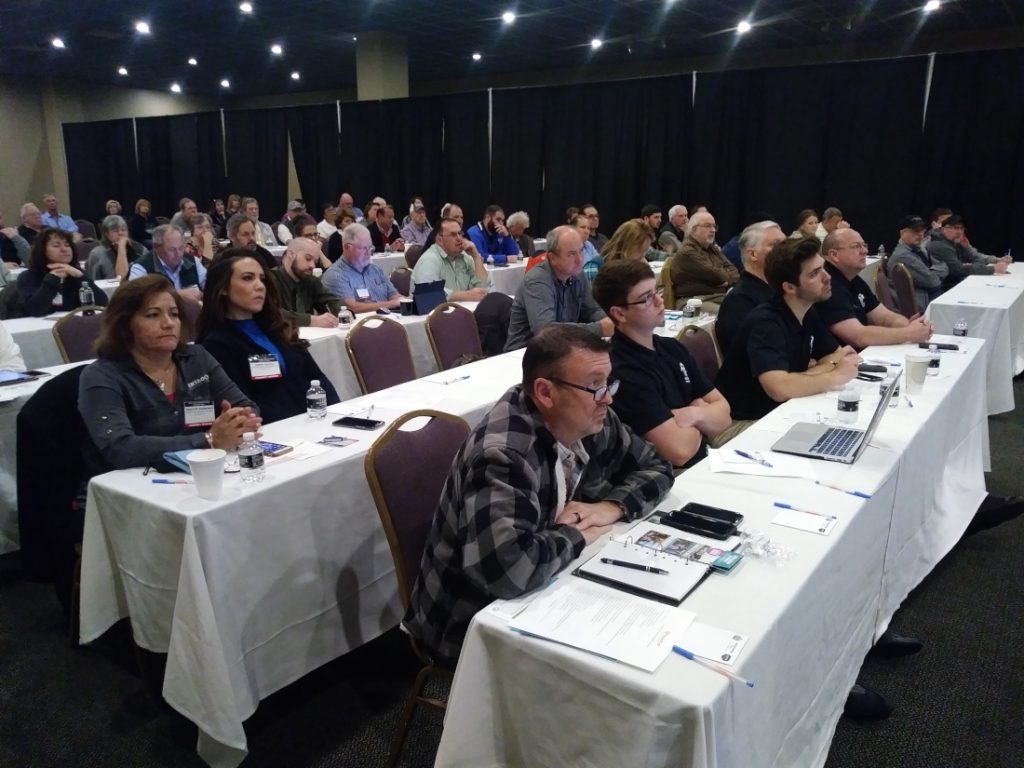
MHVillage and Datacomp attend approximately 20 manufactured housing industry trade shows each year, many of which we sponsor, register at as exhibitors and often present in seminar and education settings.
From Vegas to Orange Beach, Ala., and Austin, Texas to Washington, D.C., there is a lot to learn at manufactured housing industry trade shows whether you build homes, own a community, run a retail center or provide products and services to the industry.
This post will continue to be updated throughout the year to list industry events, locations, venues and information on how to attend. Late summer and Early Fall are busy times for manufactured housing industry trade shows!
So enjoy perusing these events, and we hope that you are able to make one or two manufactured housing industry trade shows. Happy learning, happy networking!
2019 Manufactured Housing Industry Trade Shows
Remember: Bookmark this site and check back often for updated learning and networking opportunities from coast to coast.
November Manufactured Housing Industry Trade Shows, Conferences, Meetings
MHISC Fall Meeting Nov. 5-6 Columbia, S.C. — Embassy Suites Columbia The Manufactured Housing Institute of South Carolina hosts a reception and dinner, a golf tournament, and two free hours of continuing education. Celebrate what’s great about the industry and honor the annual award winners. Additionally, all of MHISC’s member-led committees will meet and discuss important trends and continue work on projects to help better the industry overall. Hotel booking is open with a group rate through Oct. 14 offering attendees a choice of accommodations for $136 per night.
NCC Fall Leadership Forum 2019
Nov. 13-15
Chicago, Ill. — The Westin Michigan Avenue Chicago
Join MHI at the only strategic executive-level event of the year for those involved with manufactured home communities as an owner/manager, manufacturer, service provider, broker, lender, or consultant.
Have a Meeting to List With Us?
Call Patrick at (616) 888-6994 or complete the form below if you have an event you would like to list. Happy meetings!
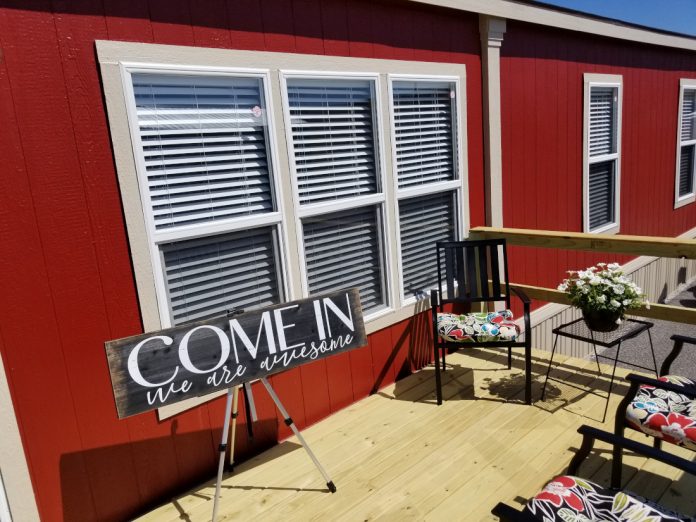
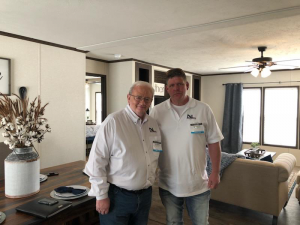
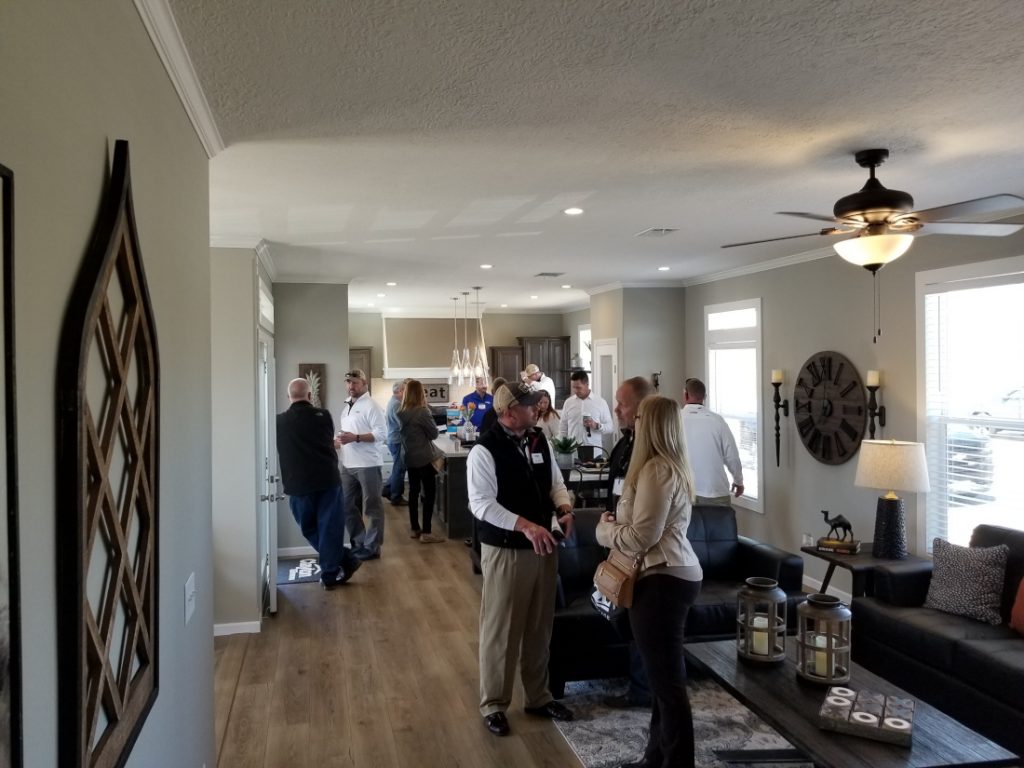
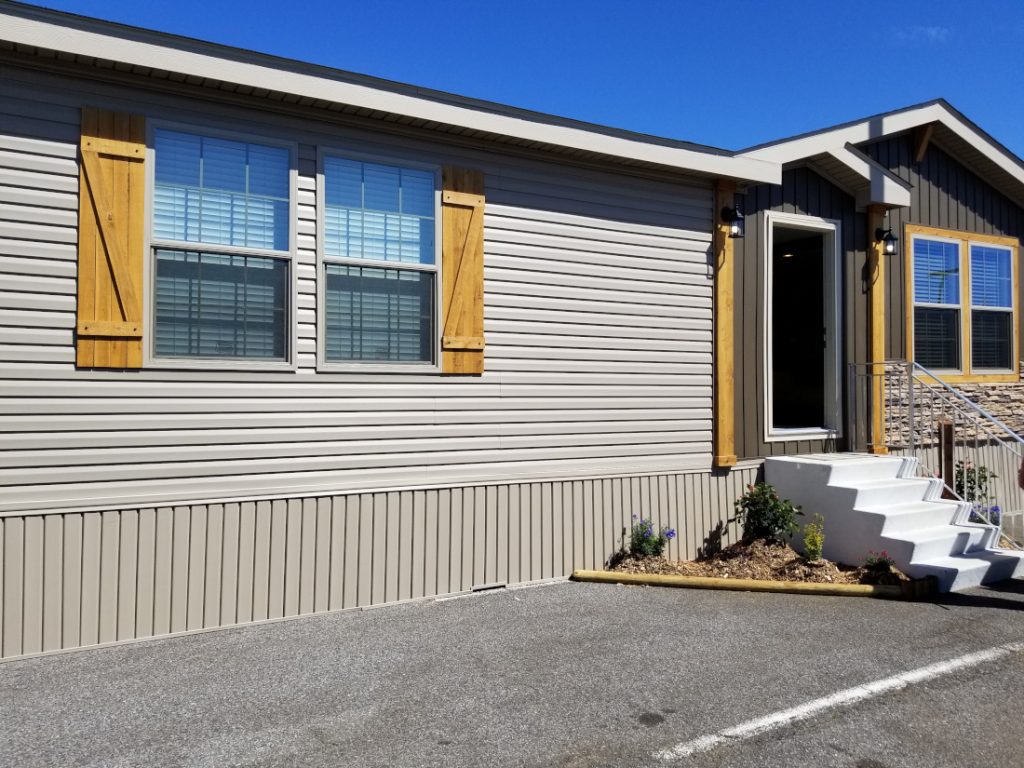
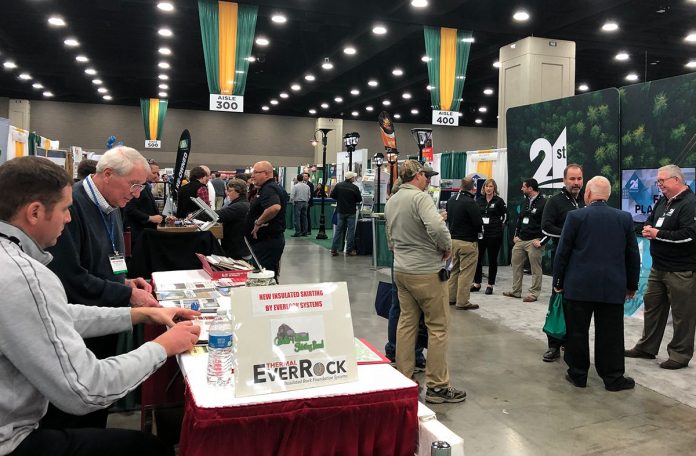
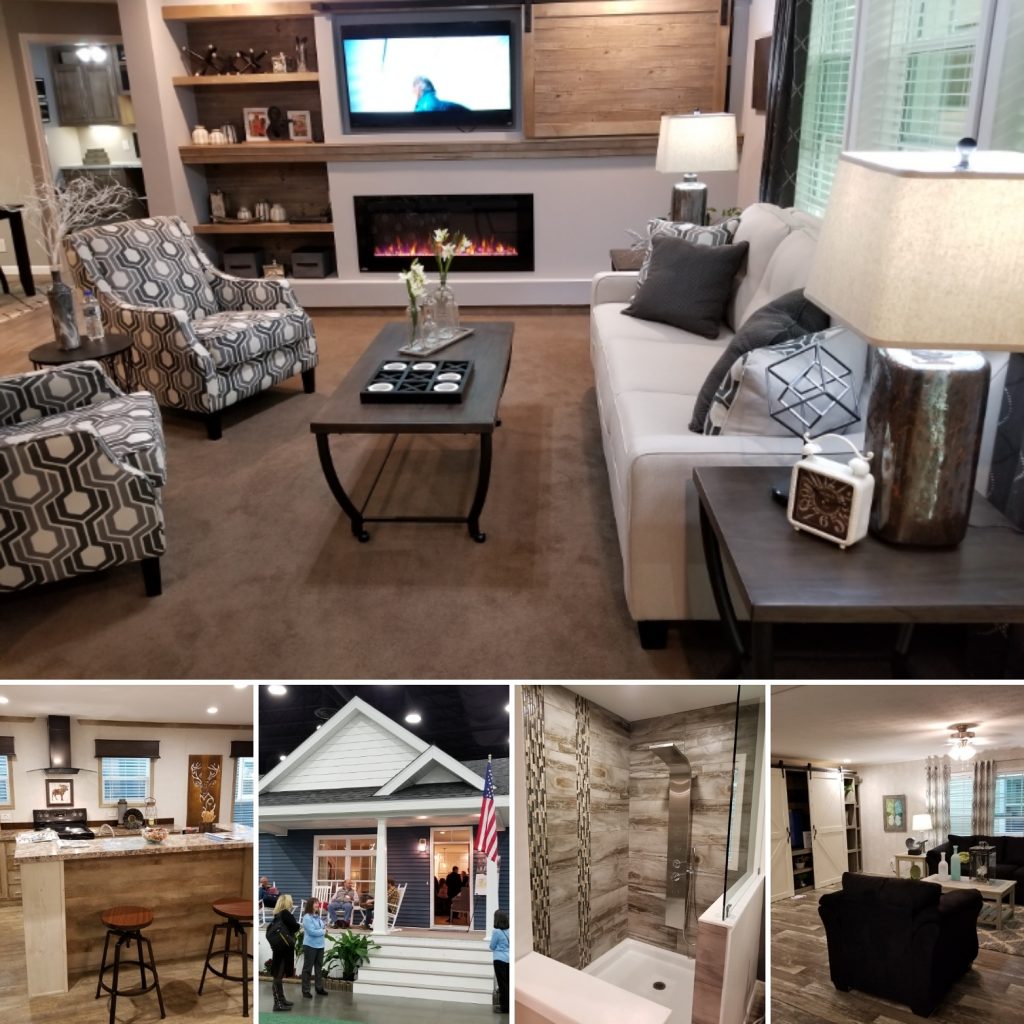
MHVillage at The 2018 Tunica ShowA few images from The Louisville Show
15-Second TV Commercials to Promote Manufactured Housing, Communities Will Air on Comcast
The Michigan Manufactured Housing Association has launched a pair of 15-second TV commercials that will air on Comcast networks through the month in promotion of manufactured housing and manufactured home communities in Michigan.
“We are targeting those who are looking for affordable alternatives to traditional built homes,” said Bill Sheffer, executive director of MMHA. “Homebuyers are looking for high-quality homes with great features in friendly neighborhoods.”
The promotions are in time with the spring selling season. Sheffer said consumer interest in manufactured and modular housing in Michigan has been on the rise.
In 2018, new manufactured home sales in Michigan totaled 4,096. Sheffer said MMHA wants to continue the momentum and educate potential homebuyers on manufactured housing lifestyle, quality, style, and affordability.
The commercials promoting manufactured housing and communities were developed as “bookends” that will run at the top and bottom of a commercial break.
The campaign will run through April 28, Sheffer said.
Northville Crossings, a Sun Community in Michigan.
What’s In the New Commercials to Promote MH, Communities in Michigan?
The top-of-the-break commercial in the 2019 campaign features images of trend-setting features in model homes. The bottom-of-the-break segment includes images of families, couples and friends enjoying the lifestyle of community living. Each commercial highlights the fact that there are more than 300 manufactured home communities and sellers in Michigan.
The Michigan Manufactured Housing Association dedicates itself to educating the public about the benefits of manufactured and modular home living. Additionally, the association connects people with an interest in finding a home with its association members.
MMHA is one of Michigan’s oldest trade associations, founded in 1941. The association is a nonprofit that represents the state’s manufactured and modular home industry. It works to improve the image of manufactured and modular housing by educating consumers, media and government about the quality, affordability, design and beauty of the homes.
For more information, visit the Michigan Manufactured Housing Association at www.michhome.org, or mail MMHA, 2222 Association Drive, Okemos, MI 48864-5978.
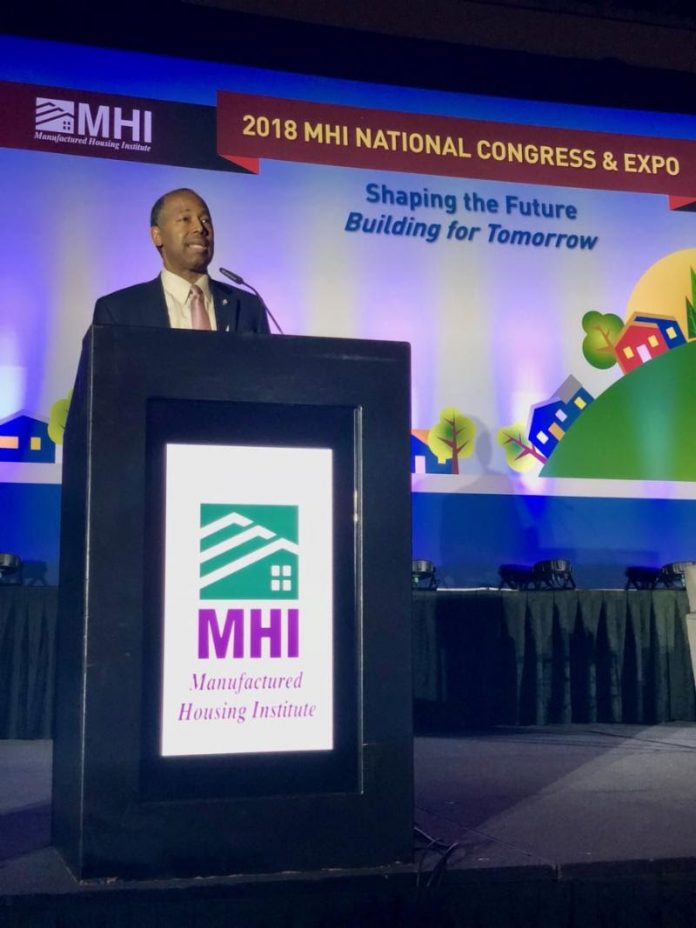
Carson will speak at 11:30 a.m. on Tuesday, May 7. He has been a strong advocate for manufactured housing since his appointment as HUD secretary. Carson also delivered the keynote address at the 2018 Congress & Expo.
More Information on HUD Sec. Ben Carson
Carson is the 17th HUD Secretary with his swearing-in on March 2, 2017. For nearly 30 years, Carson served as director of pediatric neurosurgery at the Johns Hopkins Children’s Center, a position he assumed when he was 33 years old, becoming the youngest major division director in the hospital’s history.
He has received dozens of honors and awards in recognition of his achievements including the Presidential Medal of Freedom, the nation’s highest civilian honor. He also is a recipient of the Spingarn Medal, the highest honor bestowed by the NAACP.
The Manufactured Housing Institute has been working to create a more cooperative regulatory environment at HUD for manufactured housing and to ensure that Secretary Carson understands its position as a critical source of affordable housing for the nation.
The 2019 Congress & Expo runs May 6-8 at the Hyatt Regency in New Orleans.
Home Builder Names William Boor CEO, Makes Other Changes as Cavco Reorganizes Leadership Team
One of the manufactured housing industry’s leading home builders has announced a series of executive changes. William Boor has been named CEO as Cavco Industries reorganizes its leadership team.
Boor had been the company’s non-executive chairman of the board. Acting CEO Dan Urness will resume his previous roles as executive vice president and CFO. Both changes will be effective April 15, 2019.
In other moves, Steven Bunger takes over as non-executive chairman. Additionally, Richard Kerley takes the position of chairman of the company’s Audit Committee. Both board and committee changes are effective immediately.
The kitchen in a new Fairmont Home by Cavco. Photograph courtesy of Fairmont Homes
Boor Has Long History with Cavco Industries
Boor takes leadership after more than 10 years of experience with Cavco. He joined Cavco as an independent member of the board in 2008. Prior to that time, Boor held the position of vice president of corporate development at Centex Corp. During that time, Cavco was a subsidiary of Centex.
“After thoughtful consideration of options to strengthen the management team, the board concluded Bill is the right choice to assume the CEO role,” Bunger said in a statement. “Bill is a strong and proven leader, who has a successful track record of managing large, complex businesses and working across a range of executive roles in public companies. His significant knowledge and insights into Cavco’s business, from his tenure on the board and previous strategic work with the company, provide the immediate and long-term ability needed to lead the execution of our strategic plan and focus on operational excellence.”
Board members for the builder of manufactured homes thanked Urness for his leadership and contributions during the last five months as acting CEO.
“Cavco’s strong track record speaks for itself, and we remain very well-positioned for the future,” Boor said. “I’m excited to have the opportunity to lead the company’s next chapter, working closely with the board and the entire Cavco team.”
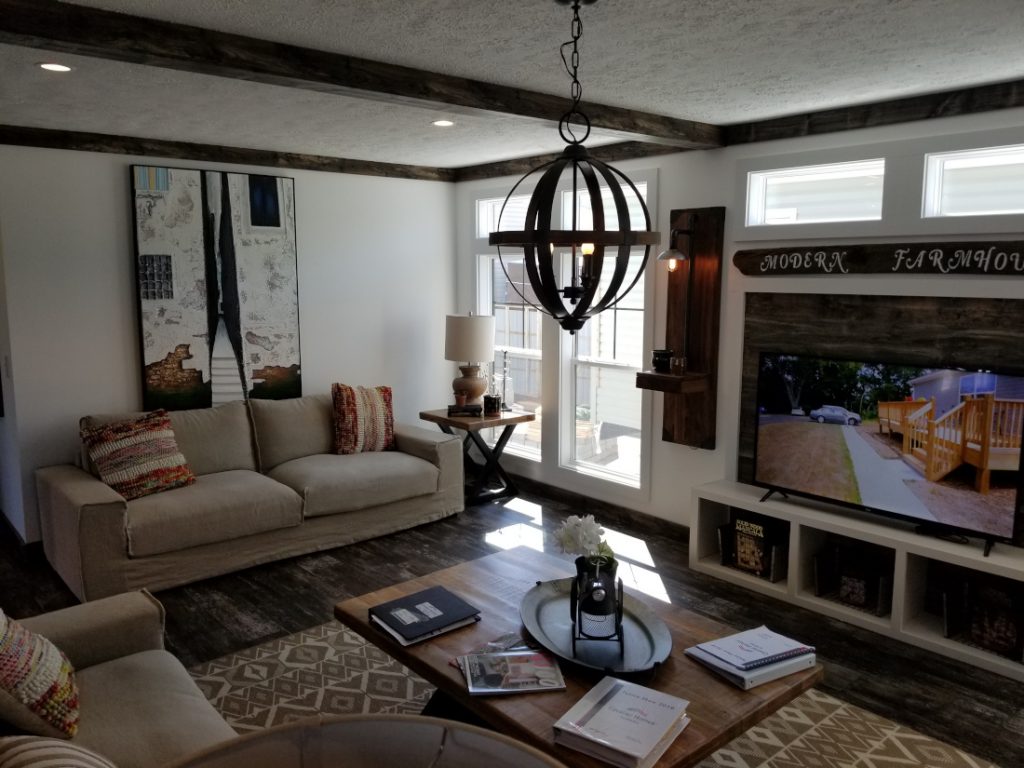
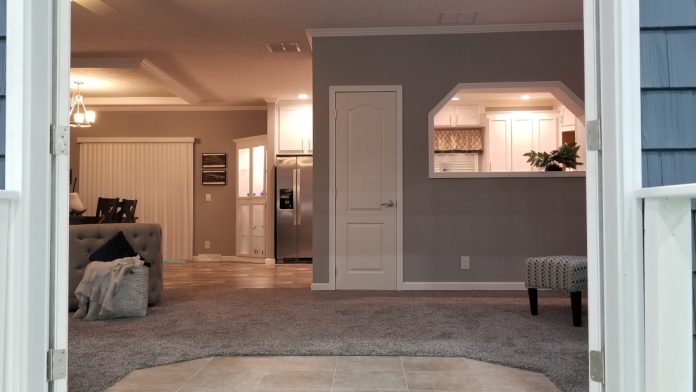
The interior of a new Adventure home shown during The Louisville Show in 2019.
April JLT Reports Include Information on 63 Communities with 14,852 homesites
Datacomp, publisher of JLT Market Reports, published new manufactured home community rent and occupancy reports for Alabama and Georgia.
JLT Market Reports provide detailed research and information on communities located in 170 major housing markets throughout the U.S. National data includes the latest rent trends and statistics, marketing programs and a variety of other useful management insights.
Datacomp is the nation’s #1 provider of market data for the manufactured housing industry.
Datacomp JLT Market Reports for Alabama and Georgia
Datacomp’s manufactured housing market data published in the April 2019 JLT Market Reports includes information on 63 “All ages” and “55+” manufactured home communities for three markets in Alabama and Georgia. Altogether, the reports include data representations for more than 14,852 homesites in Albany and Birmingham, Ala.
The kitchen of a Fairmont model home shown during The Louisville Manufactured Housing Show in 2019.
Each JLT manufactured home community rent and occupancy report published by Datacomp includes detailed information about investment-grade communities in the major markets.
Detailed JLT information includes:
Number of homesites
Occupancy rates
Average mobile home community rents and increases
Community amenities
Vacant sites
Repossessed and inventory homes
JLT Market Reports also include management insights that rank communities by the number of homesites, occupancy rates and highest to lowest rents. Established reports show trends in each market with a comparison of April 2019 rents and occupancy rates to April 2018, as well as a historical recap of rents and occupancy from 1996 to present date in most markets.
The reports may also be ordered by phone in electronic or printed editions at (800) 588-5426. Each fully updated report for mobile home communities is a comprehensive look at investment grade properties within a market.
Our goal is to enable owners, managers, lenders, appraisers, brokers and other organizations to effectively benchmark those communities and make informed decisions.
About JLT Market Reports
For more than 20 years, countless professionals have trusted JLT Market Reports for timely and accurate management reports on land-lease manufactured home communities. JLT Market Reports are currently published for 170 markets nationwide and are recognized as the industry standard for manufactured housing industry data.
In 2014, JLT & Associates merged its resources, skills and expertise with Datacomp, the industry’s oldest and largest national manufactured home appraisal company and number one provider of market data for the manufactured housing industry, and MHVillage, the premier website for showcasing mobile homes for sale and for rent nationwide.
For additional information about JLT Market Reports, visit here.
Manufactured housing industry sales consultant Ken Corbin.
Throughout my career, I’ve seen countless prospect follow-up systems used by sales professionals, many of which they’ve developed by trial and error. The key is, they had a system.
I started with the tickler system. And in a seminar for insurance sales I was impressed with the concept.
As time went on, I attended more programs and observed what the great sales consultants do, not only in our industry but others. Obviously, there is no single prospecting system that’s perfect, although I’ve yet to find one better suited for the professional housing consultant.
It’s called the 9-3-1 Plan. It is intended to double or even triple the number of sales. I can assure you, if properly done, you’ll be amazed at the results.
Every time I present the program, attendees can’t wait to get back to their office and start making more money. Unfortunately, few follow up — as anything that’s worthwhile takes work.
So, here’s the program, in its simplest terms — and I guarantee you will, at a minimum, double the number of sales you’re currently producing.
The Premise of the 9-3-1 Plan
You commit to follow up with a minimum of 27 prospects every day you come to the office. They’ll be broken down as follows:
9 emails to previous customers
9 telephone contacts, not just calls to previous customers
9 personalized letters via regular mail to previous customers
Using Your Calendar
Hopefully, you schedule your days using either a Google or Microsoft calendar. The basis for prospect follow-up is quite simple:
You must follow up with a customer a minimum of six times over two months after they visited your model home village, or make an email or telephone inquiry.
After the initial contact, based on how you rate their hot button, determine the next follow-up date for the prospect and enter their name into your calendar.
Keep a separate three-ring binder with a copy of the prospect guest registration, so you’ll have all of the appropriate contact information. Over time, you’ll be surprised how many binders you’ll be working with. It’s not uncommon for some people to have upwards of 3,000 customers in their system!
Photo courtesy of HomeFirst.
Take These Six Steps
Step #1:
To be effective, the program must be used every day you work; and it starts by having you come in half an hour earlier than you are accustomed.
After checking your calendar, schedule your day into five categories:
Determine which follow-up notes and letters need to be mailed.
Determine which follow-up emails need to be sent.
Review the files and appointments you’ve made for the day.
Respond to new emails and inquiries that have arrived.
Determine what follow-up telephone calls need to be made.
Step #2:
Do your written follow-up “Notes & Letters” first, and get them out of the way. We’ve become very accustomed to email, so personalized notes will be more difficult, but very effective. Always include a business card and, if you are typing the letter, add something handwritten along the side of the letter to “personalize” your message even more.
Always finish your follow-up letter by asking the prospect, “When would you like to come back in and tour the models?”
Enter into your calendar the date for the next follow-up. No other work needs to be done until the next follow-up date, unless the prospect calls, writes or emails you back.
Step #3:
Do your follow-up emails and, again, always finish your email by asking the prospect, “When would you like to come back in and tour the models?”
Once the email has been sent, determine your next follow-up date in your calendar. No other work needs to be done until the next follow-up date, unless the prospect calls or emails you back.
Step #4:
Review your appointments for the day. Always be prepared for your prospects coming in by having the information from their previous visits in front of you, including emails, follow-up letters or phone contacts. Customers appreciate someone who is prepared.
Step #5:
Review new emails and inquiries. Check emails from previous customers first and respond immediately. People love someone who’s attentive to their needs and willing to help them solve their problems.
You’ll then review new inquiries and respond accordingly. Of course, you’ll always finish by asking the prospect, “When would you like to come in and tour the models?”
Once the email has been sent, determine the follow-up date. No other work needs to be done until that date, unless the prospect calls or emails you back.
Step #6:
Make a minimum of nine follow-up telephone calls to previous prospects and new email prospects.
Always be prepared before you make your calls. Have something important to discuss or mention to the prospect. Nobody likes to be bothered with someone asking, “Do you have any other questions,” or “I just wanted to follow up to see how you are doing.”
If you reach the prospect, always finish your call by asking, “When would you like to come back in and tour our new models?”
On the other hand, if you do not reach the prospect and they have an answering machine, leave a brief message with hot points. If you do not reach the prospect and they do not have an answering machine, write a follow-up letter or send an email.
Regardless, do some form of contact with the customer and use your calendar to schedule the next follow-up.
A manufactured home community in Davie, Fla.
Results of the 9-3-1 Plan
Let’s summarize the results, so you’ll really understand how the 9-3-1 plan works.
You’ve committed to contact a total of 27 customers who have seen you previously. Reach out to them in the following manner:
You’ll send out 9 follow-up letters to 9 specific customers
Email 9 additional customers
And you’ll call a minimum of 9 additional prospects
Here’s the question I always ask: “If you truly committed each and every day to following up with 27 previous customers, how many of them do you think will likely come back to see you before making their housing decision?”
Now, before you answer, let’s do the math together. If you do 27 follow-ups every day and you work only five days per week, that would mean you’re contacting 135 people every week!
Most people will tell me probably five to 10 of these will come back from the 27 follow-ups. My answer is always the same. “Let’s shoot low and say less than 10 percent, or about two of those 27 customers, will come back to see you based on all the hard work and follow-up you’ve done.” Is that OK?
Of course everyone agrees, because my number is obviously lower than theirs!
How Many Customers Will You See in a Day?
The next question I ask is, “On the average, including weekends, how many new prospects do you really see on a typical day? These are people that have never been to your model home village.”
Most will say, on average (including weekends), they’ll typically see two or three new customers.
Photo courtesy of Yes! Communities, Yankee Springs.
Again, I’ll say, “Let’s once again shoot low and say only one new customer comes in each day. Does that sound fair?”
Once again, everyone agrees, and this is where it gets not only fun, but interesting. It’s now time for everyone to see how the program works.
We’ve all agreed we’re going to reach out, every single day, to 27 customers who have yet to make a housing decision. By doing this, we’ve agreed that, at a minimum, two of those 27 people we’re reaching out to every day will come back in before making their housing decision. In addition, we’ll see at least one new prospect every day.
So, at a minimum, you’ve tripled your sales opportunity from just one new prospect coming in for the first time, and added two return visitors. Of those three customers, how many do you think will eventually buy a mobile home?
Once again, they’ll shoot a bit high and say two out of the three. Once again, I’ll say, “Let’s not be greedy, but say one of those three will write an order. Is that fair?” Everyone nods their head yes, and I finally give them the facts.
The Numerals in the 9-3-1 Plan
You’ve mailed out 9 letters, sent out 9 emails and made 9 follow-up calls. This is where the “9” in the 9-3-1 plan comes from.
In addition, we all agreed that, at a minimum, less than 10 percent (or only two of those 27 people) will come back to visit. And you’ll see a minimum of one new prospect per day. So, your two return visitors plus the one new visitor is a total of 3 per day; that’s where the “3” in the 9-3-1 plan comes from.
Finally, we’ve all agreed that based on the hard work you’ve done, those 3 customers will likely generate 1 new order. Obviously, this is where the “1” in the 9-3-1 plan comes from.
Let’s say you only work 45 weeks out of the year and only five days per week. The salespeople who truly dedicate themselves to this program will follow up with over 6,000 customers each year.
Industry consultant Ken Corbin has worked with more than 800 manufactured housing communities, retailers, manufacturers and associations.
Dr. Lesli Gooch, MHI's CEO, met with FHFA Director Dr. Mark Calabria on December 12, 2018, to talk through his nomination and DTS activity.
U.S. Senate Votes 52-44 to Confirm Nominee Mark Calabria to Lead Federal Housing Finance Agency
The Senate voted 52-44 to confirm Calabria, who previously served as Vice President Mike Pence’s chief economist.
Now that he’s confirmed, Calabria will lead the agency overseeing the government-sponsored enterprises, Freddie Mac and Fannie Mae.
Prior to Calabria’s confirmation, Comptroller of the Currency Joseph Otting served as acting director following Mel Watt’s term as director.
“I congratulate Mark Calabria on his confirmation by the U.S. Senate to serve as director of the Federal Housing Finance Agency,” Otting said in a statement. “I am confident that Mark will do a great job leading the FHFA. He recognizes the need to work toward a housing finance system that protects taxpayers and meets our nation’s housing needs.”
The Calabria confirmation has been received favorably in the mortgage and housing sectors.
NAR President Lauds Calabria Confirmation
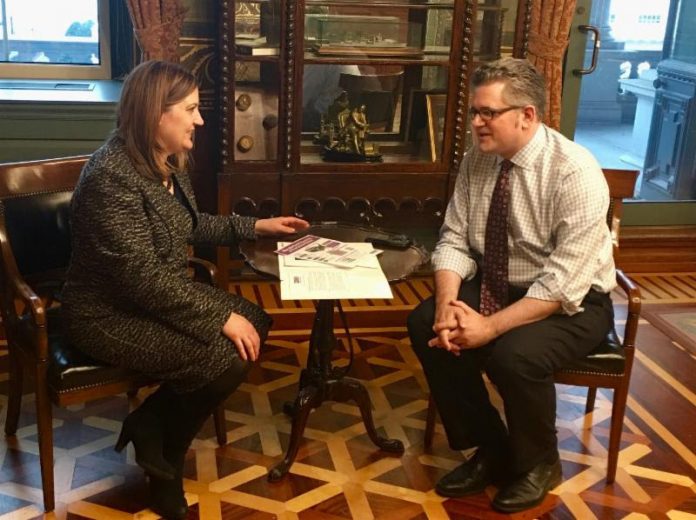
John Smaby is president of the National Association of Realtors.
“Dr. Calabria has decades of experience in the housing industry, including time spent as an economist at NAR, and he understands the critical importance of the FHFA’s prudent management of America’s housing finance system,” Smaby said. “As he begins his tenure, we urge Director Calabria to work closely with Congress in the effort to responsibly reform the GSEs, particularly in search of policies that protect the 30-year fixed-rate mortgage, secure a government guarantee and emphasize taxpayer and consumer protection.”
Among the FHFA initiatives is the quarterly Housing Price Index. In its latest release, the HPI included a report that shows manufactured housing retains value much like site-built housing.
MHI Supports Calabria Confirmation
At his confirmation hearing, Calabria reaffirmed his commitment to the FHFA’s Duty to Serve mandate. MHI sent numerous letters of support throughout the Calabria confirmation process. The organization worked with the White House and Senate leaders to secure his confirmation.
MHI, in a statement following the Calabria confirmation, said the new director has extensive experience in housing and financial services. In addition, Calabria has a thorough understanding of the importance of manufactured housing as an affordable source of quality homeownership.
As the top housing staff member on the Senate Banking Committee, he lead the drafting of the Housing and Economic Recovery Act of 2008. The act created the FHFA as a strengthened regulator of the government-sponsored enterprises. Importantly, it also established the Duty to Serve requirements for Fannie Mae and Freddie Mac.
The act requires both entities to support manufactured housing in the secondary market.
“He brings considerable housing finance experience to the job. We look forward to working with Mark to advance comprehensive housing finance reform…” — NAHB Chairman Greg Ugalde
The U.S. Capitol
Calabria’s Extensive Background in Finance and Housing
Previously, Calabria served as deputy assistant secretary for regulatory affairs at HUD during President George W. Bush’s administration. He led the Office of Regulatory Affairs and Manufactured Housing.
Mortgage bankers and home builders expressed support for Calabria’s appointment and confirmation.
“MBA applauds the Senate for confirming Mark Calabria to be the next director of the Federal Housing Finance Agency. His knowledge and experience will serve him well as he takes over this dynamic agency at such a critical time,” Mortgage Bankers Association President and CEO Robert Broeksmit said.
Additionally, the National Association of Home Builders congratulated Calabria on his Senate confirmation as the new director of the Federal Housing Finance Agency.
“He brings considerable housing finance experience to the job,” NAHB Chairman Greg Ugalde said. “We look forward to working with Mark to advance comprehensive housing finance reform that maintains an appropriate level of federal support to ensure an adequate flow of affordable housing credit in all economic and financial conditions.”
During his time as a senior aide, Calabria served on the Senate Banking Committee, where he was one of the lead drafters of the Housing and Economic Recovery Act of 2008, which created FHFA.
Calabria also held positions at Harvard’s Joint Center for Housing Studies, the National Association of Home Builders and the National Association of Realtors.
Boo Haughton, left, of Winston Home Builders, and Clayton Homes founder Jim Clayton at The Tunica Show.
MHInsider Crossed Paths with Clayton Homes Founder Jim Clayton for a Q&A at The Tunica Show
Jim Clayton founded Clayton Homes with his brother Joe Clayton, growing the business into the largest builder of manufactured homes in the industry, with 40 home building facilities nationwide.
The company, based in Knoxville, Tenn., now is run by Clayton’s son Kevin Clayton. Clayton Homes is owned by Warren Buffett’s Berkshire Hathaway.
MHInsider: How’s the show going so far?
Jim Clayton: “I’m really excited being here, seeing the industry progress, seeing old friends, and meeting new friends.”
MHInsider: Anything new or different this year?
Jim Clayton: “The homes are larger, more beautiful, and built better than ever. I see more excitement in the industry. They’re really excited about spring season, summer. It’s going be a great year for the industry.”
MHInsider: How many years have you come to The Tunica Show?
Jim Clayton: “I come almost every year. As long as it’s been here.”
MHInsider: Anything else you want to say about the show or the industry?
Jim Clayton: “The manufactured housing industry is so important to our country. It fills a need for so many people, in that they can get a home quick. It offers, for many people, so much more than apartments or other forms of housing offer. There are so many people in America that need and want affordable housing. And there aren’t a lot of choices. One choice would be old apartments. But there are lots of disadvantages there. Here, you have options for where you can place your home. There are lots of options. That’s really important to people. But just the quality of the home, and the amount of space, and the ease of maintenance. The low cost of operating, owning, maintaining, in addition to the low cost of buying. If more people spent as much time as I’ve spent here today, we’d sell twice as many homes immediately. I’m really happy that the industry continues to be successful and continues to do so much for our country.”
MHInsider: What does the Tunica Show do for Clayton Homes?
Jim Clayton: “The Tunica Show is one of the important places to showcase fine products. It’s an interesting place to visit and it’s easy to get to. It’s conveniently located within less than a day’s drive from so many manufactured homeowners, builders and retailers, and potential owners, too. It just makes a lot of sense to have the show here.”
Front porch of a New Vision home, featured at The 2019 Tunica Show
Industry Professionals Tour 70 New Homes in Tunica
Throngs of manufactured housing industry professionals enjoyed the sunshine and networking as they toured homes and looked for the latest product during The 2019 Tunica Show in northwest Mississippi.
From left, Mick Barker and Lynn Hoppe of New Vision Homes.
New Vision Homes is a new manufacturer run by President Mick Barker and owner Lynn Hoppe, who came to the home building side from the retail side.
The company has been making homes for a little more than a year.
New Homes In Tunica Spurred on by Need for Oil Field Workers
“I’ve been selling workforce housing for the oil fields, and I couldn’t find what I was looking for, so I decided to buy a retired Champion plant, and that’s when I called on Mick to come in and help me out.”
Barker is a former president of Champion Homes and worked in operations with Legacy Housing.
The company is based in Ada, Okla., and has a factory in Madill, Okla., where they’re turning out three floors a day of workforce housing , valued in total at about $100,000. A second facility, located in Breckenridge, Texas, also is churning out about $100,000 worth of product each day. However, that plant is making a single floor per day.
New Vision Homes on the Lookout for Third Plant
New Vision also is looking for a third facility, perhaps another in Texas or in the southeast.
“We had a really good reception to the product,” Barker said. “We have two-by-four exterior and interior walls, which is something that’s much more common among site-built homes. That’s a standard feature, for us. Our customers really are asking for that.”
New Vision Homes also have:
OSB siding or vinyl siding with OSB underlay
Shingle roofs
Wood cabinet doors
Thermal pane windows
Insulated duct work
Upgraded kitchen sink and faucet
The Latest Trends Among New Show Homes in Tunica
Cavalier Home Builders, a Clayton Homes brand, brought out an 1,800-square-foot home that incorporates many of its more popular farmhouse features in a larger home.
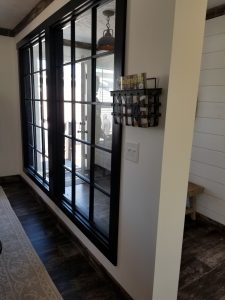
Window wall foyer in a new Cavalier home.
“The window wall in the entry is one of those features that customers really love,” Gary Hollingsworth, general manager for Cavalier. “It provides a distinct foyer. You don’t walk directly into the living space. But with the glass, it’s done in a way that doesn’t close off the space.”
Hollingsworth said the lighter colors, large windows, shiplap wood board, barn doors and farmhouse sink are new for Cavalier.
“We’ve traditionally been in more neutral tones, so it’s a change for us and one that is getting some good attention.”
The Laney from Clayton Homes.
About the Tunica Manufactured Housing Show
2019 Tunica Show provides the opportunity to network with more than 2,100 manufactured housing industry professionals from across the country. Professionals attending The Tunica Show represent every part of the industry nationwide. However, Tunica provides a particular emphasis on connecting attendees with professional builders and retailers who operate in southeast.
The Tunica Show is held at the Hollywood Hotel and Resorts Casino. It draws industry professionals representing 500 companies. Additionally, the show attracts manufactured home community owners and managers, retailers, suppliers and builder/developers, the Tunica Show is the most significant trade event in the region.
Representatives from 24 manufacturers have made themselves available to answer questions about their homes in Tunica. They are joined by industry professionals who work in manufactured home transport and installation, building materials, financing and professional services.
Retailers and other home buyers shop The Lulamae and other homes at The Tunica Show.
Retailers Find What They Want with Latest Homes in Tunica
Kevin Satterthwaite operates Pine Ridge Homes in Vandalia, Ill.
“We deal mostly in modular, but we come to Tunica to check in with Deer Valley and to keep up on what’s happening with HUD code homes, too. We dabble in HUD code a bit, and there is enough cross over with modular that it makes it worth our while.”
Natalie Wiley runs Wiley Home Center in Sandersville, Ga. In addition, she owns and operates three small communities in Georgia. Wiley was at The Tunica Show to look for a high-end product and a middle offering for her home center.
“I think I found what I’m looking for,” she said. “I was impressed with Champion, and the Deer Valley homes are really pretty. Southern Energy has a really good midline product.
“I’m a Destiny dealer, so that’s my focus. But I’m here to look at homes and figure out how to fill out of the offering,” she said. “This seems like the year of the largest possible shower and upgraded kitchen. There are some really beautiful features in these homes.”
A new home from Platinum Home Builders.
A Day of Spring Sunshine for Looking at the Latest Homes in Tunica
Todd Evans of Platinum Homes said traffic at the show has been great and the new models have been well received.
“The sun is out and everyone’s in a good mood,” he said. “That certainly makes it easier for people to get out and look at homes.
Spencer Roane, community owner, talks to MH Pros in Tunica about lease-to-own finance options.
Industry Experts in Sales, Marketing, Lending Provide Educational Insight to MH Pros in Tunica for 2019 Show
Spencer Roane, the principal for Pentagon Properties, opened the educational seminars for MH pros at Tunica talking about the value of lease-with-option-to-purchase transaction for potential homeowners.
Roane said the program, also often referred to as lease-to-own, or L-O, became a necessity with the implementation of the SAFE acts and Dodd-Frank legislation. It’s also often mistakenly referred to as rent-to-own.
“Compliance is something we should be careful of, and pay important attention to,” Roane said.
Pricing is a key component. Sellers need to ensure their customer gets market value on both payments and total purchase price.
“That’s what separates a lease agreement from a rent-to-own program, which is something you might use the buy a refrigerator,” he said.
Roane said early in the program he and other colleagues experienced default rates that were too high. In recent years, Roane’s company has fine tuned the product and the target customer to drastically improve the rates of success.
The L-O customer is one with moderate to poor credit who likely would be unable to secure a mortgage or chattel loan. Leasing to own provides the opportunity to be a homeowner. This includes purchases for new or existing manufactured homes.
Manufactured home sales in communities via lease-with-option-to-purchase (LWOP or L-O) is an acceptable form of “seller-financing” in many states, he said.
List of Topics Covered in Lease-to-Own Home Sales Presentation
The fine points of the L-O contract; including specific provisions of the contract.
Why the contract “passes muster” in some states, and where copies of documentation may be obtained.
Home sales program, qualification of buyers, factors he considers most important in reducing defaults. And statistics on his firm’s sale of new and previously owned manufactured homes.
Alternatives to L-O, including innovative conventional chattel finance options.
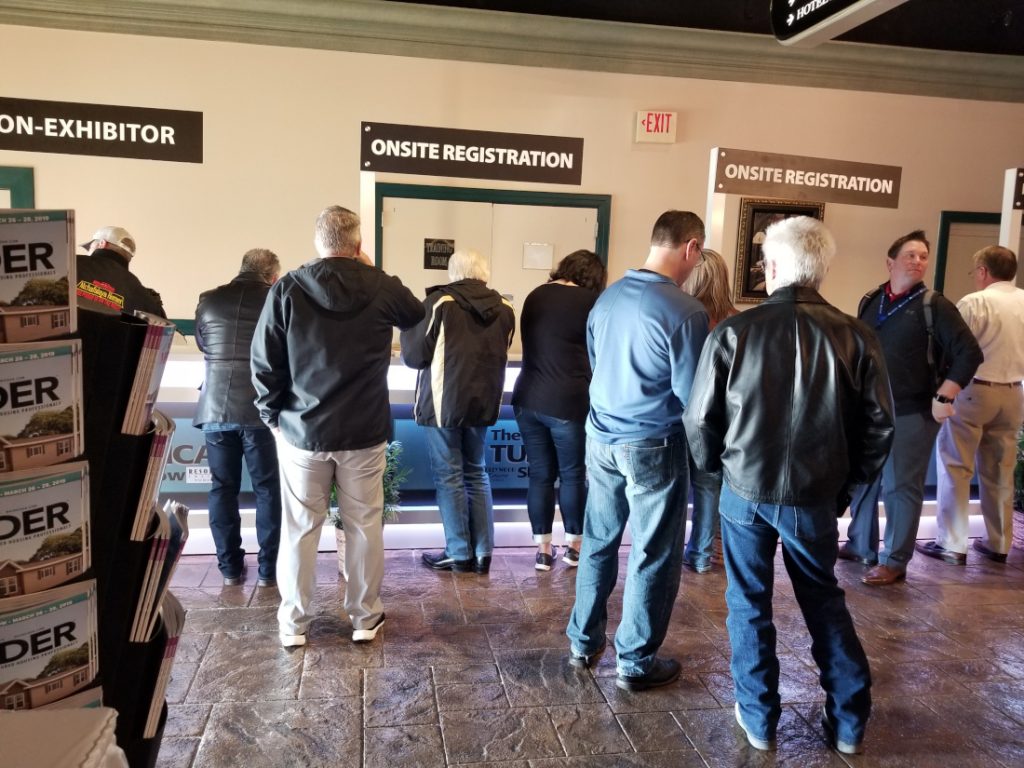
MH Pros in Tunica register for the annual manufactured housing show.
Information on The Tunica Show
Thousands of MH pros go to Tunica, Miss., each spring for the southeast’s premier event in manufactured housing. The exterior of the Hollywood and Resorts Casino and Hotel has 70 new model homes from 24 manufacturers that attendees can tour. The Tunica Show is the biggest outdoor home show of its kind! And, the supplier hall has 100 exhibitors that the 2,300 attendees from more than 500 companies can survey and consider for future business plans.
Sales Consultant Leads MH Pros in Tunica Toward Best Practices
Ken Corbin, a manufactured housing industry sales consultant, spent 40 minutes describing to MH pros in Tunica how their customers are changing. And how that can be a great opportunity for home sellers!
Sales consultant Ken Corbin talks to MH Pros in Tunica about customers and sales goals.
“When you start a venture everything is great. But eventually you’ll hit a plateau,” Corbin said. “Everything will flatten out. That’s where you need to make a decision. Will you change and make things better, or will you continue to plateau? If you don’t change, you’ll decline.”
Manufactured housing professionals in Tunica were reminded that it was not so long ago that the industry delivered 375,000 homes in a year. By 2009, 87 percent of that business went away and 10,000 manufactured housing industry companies folded.
Corbin asked how industry professionals today can avoid that, or a similar fate.
“We could sell more. Spend less. Increase margins… or a fourth way: Don’t grow old. Then you’ll become 10,001. And we don’t want that to happen.”
The goals for 2019 is to sell 100,000 or more homes
Corbin pointed out that a new manufactured home today costs $57.21 per square foot excluding land; new site built homes cost $108.10 per square foot.
“Today we’re more affordable than we’ve ever been,” Corbin said.
But manufactured home sellers need to meet potential buyers where they prefer. Sales center walk-ins won’t get it done.
Research shows that 86 percent of millennials want to buy a home. But if you call, they may not answer. Millennials primarily prefer to text prior to a live conversation.
“Millennial homeuyers will disrupt market over next five years,” Corbin said. “Ninety eight percent of them will search online for info on your homes before they visit. They’re twice as likely to use their devices as is a Baby Boomer. Technology will play a central part in their homebuying decision.”
MHInsider Managing Editor Matt Milkovich contributed to this report.
Oct. 6-8 at Avalon Hotel in Alpharetta, Ga.
Manufactured housing community owners have never had more information available to them — or more decisions to...
The Midwest Manufactured Housing Federation has announced that attendee registration is now open for the 2027 Louisville Manufactured Housing Show, returning to the Kentucky...
HUD’s Innovative Housing Showcase, MHI’s Homes on the Hill and Annual Meeting Begin Sept. 22
Two of the country’s largest builders of manufactured homes will...



 “We are targeting those who are looking for affordable alternatives to traditional built homes,” said Bill Sheffer, executive director of MMHA. “Homebuyers are looking for high-quality homes with great features in friendly neighborhoods.”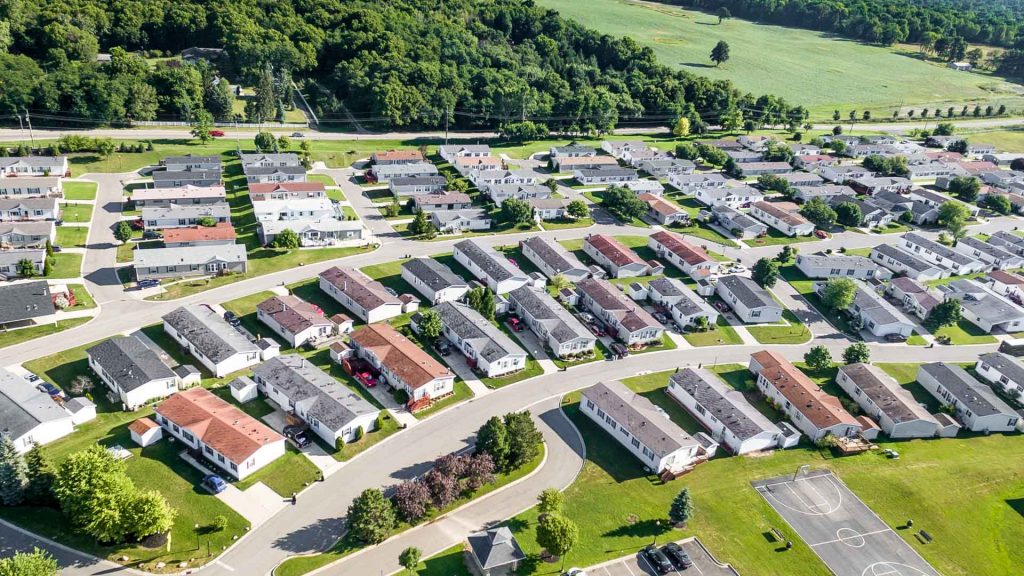
 Boor had been the company’s non-executive chairman of the board. Acting CEO Dan Urness will resume his previous roles as executive vice president and CFO. Both changes will be effective April 15, 2019.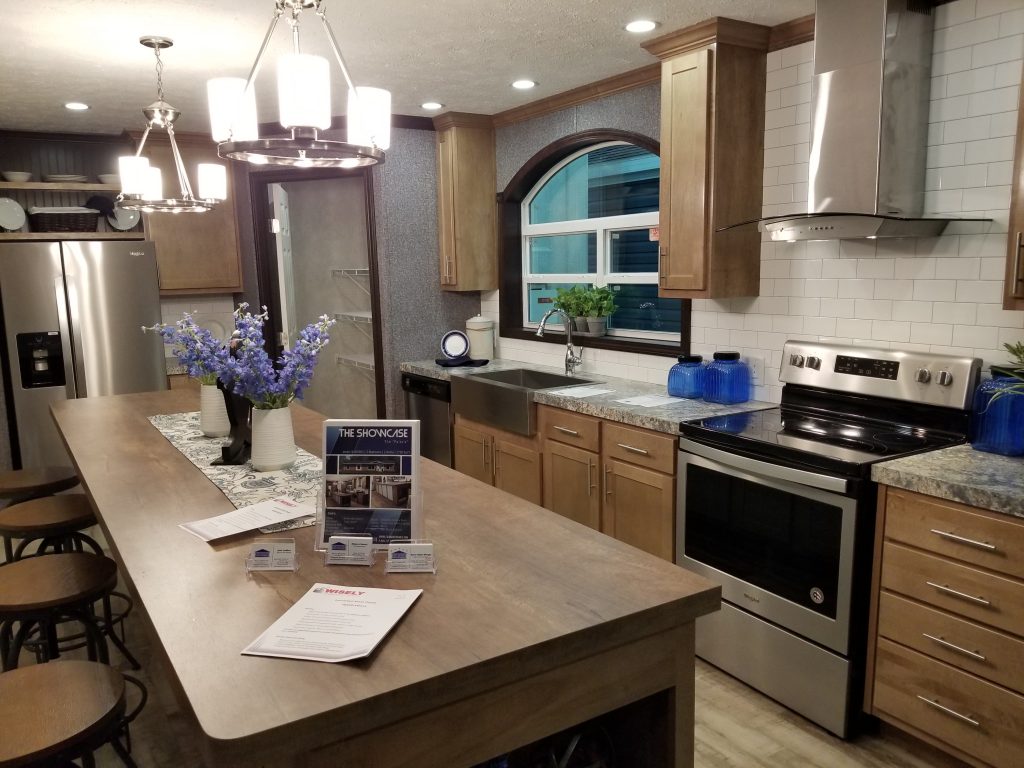




 “Dr. Calabria has decades of experience in the housing industry, including time spent as an economist at NAR, and he understands the critical importance of the FHFA’s prudent management of America’s housing finance system,” Smaby said. “As he begins his tenure, we urge Director Calabria to work closely with Congress in the effort to responsibly reform the GSEs, particularly in search of policies that protect the 30-year fixed-rate mortgage, secure a government guarantee and emphasize taxpayer and consumer protection.”

 Jim Clayton founded Clayton Homes with his