We all know that the right photo or selection of photos is important in the advertising world, no matter what you’re selling. When it comes to homes, knowing the top photos that sell your manufactured home can be super beneficial.
Get Things In Order
The order of the photos is a detail that often is overlooked. But it is very important. When updating your online ad for a manufactured home, it is most effective if you put the photos in order of how one would experience the home in person.
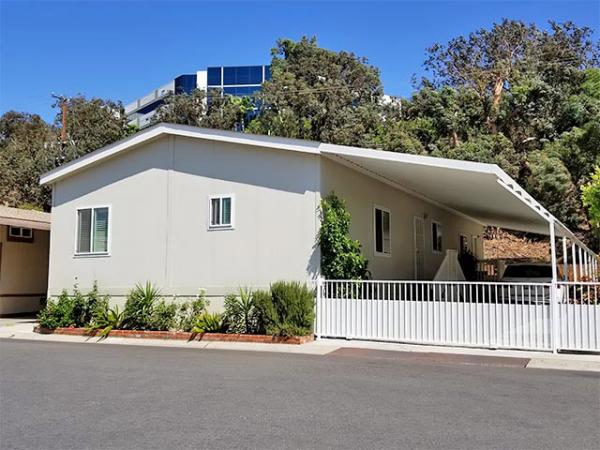
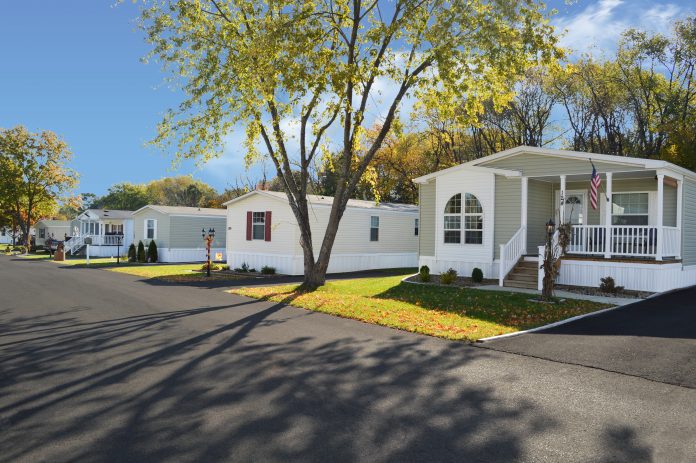
Photo 1: Exterior
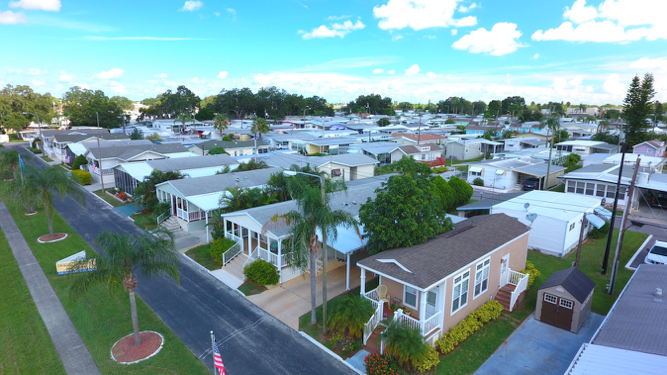
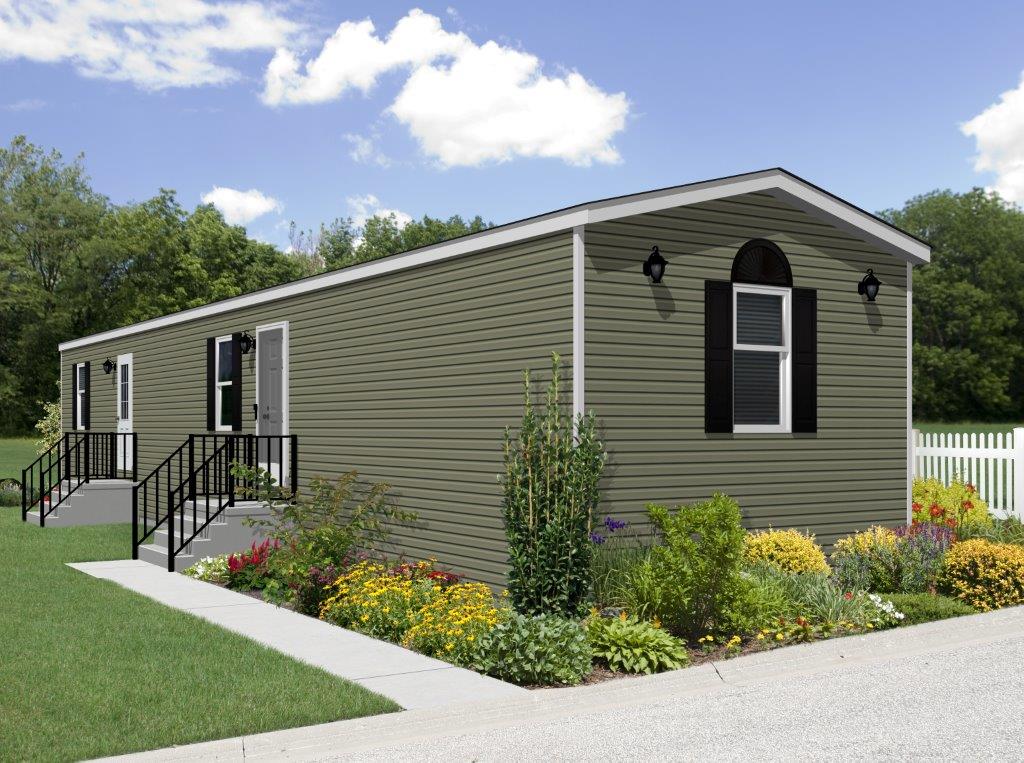
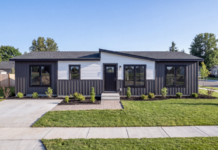
The first impression is incredibly important, especially when it comes to photos. Making sure your curb appeal is on point is a must. Keep it clean and fresh with a maintained yard and fresh exterior paint. Then pick the time of day where the sun hits *just* right.
(Pro Tip: If your home is in a state where you enjoy all four seasons, be sure your photos are updated to reflect the current season. I.E. Selling a home in June with snow on the ground for the photo makes the home listing look old and outdated).
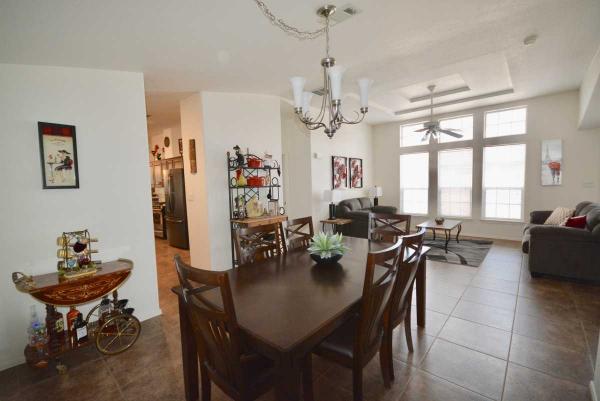
Photo 2: Entry-Living Room
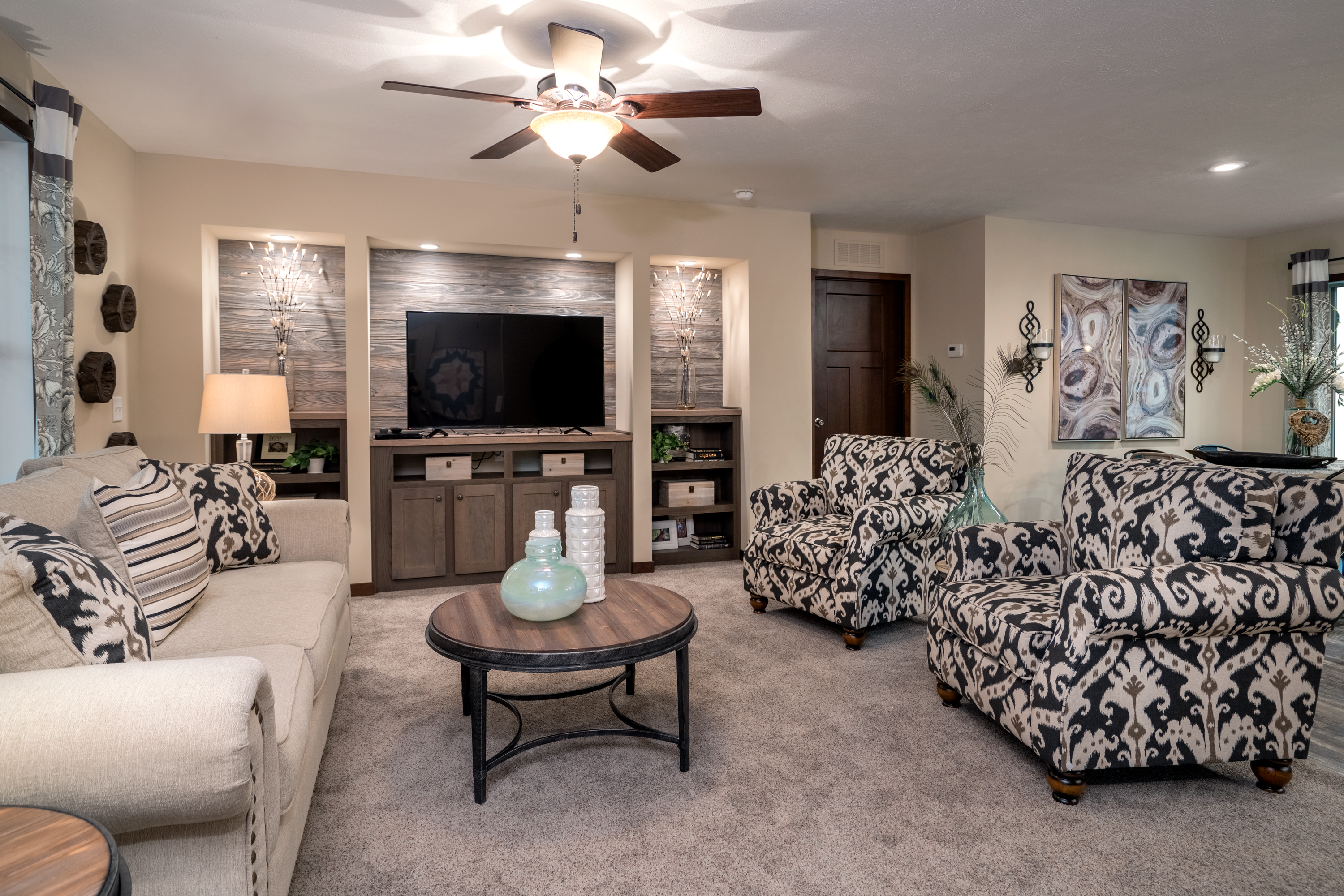
Walk through your home with the lens of someone new. So, start by capturing the first room or view they would get. All manufactured home floor plans are different, so be sure and get a few pictures at the right angle with as much natural light as possible.
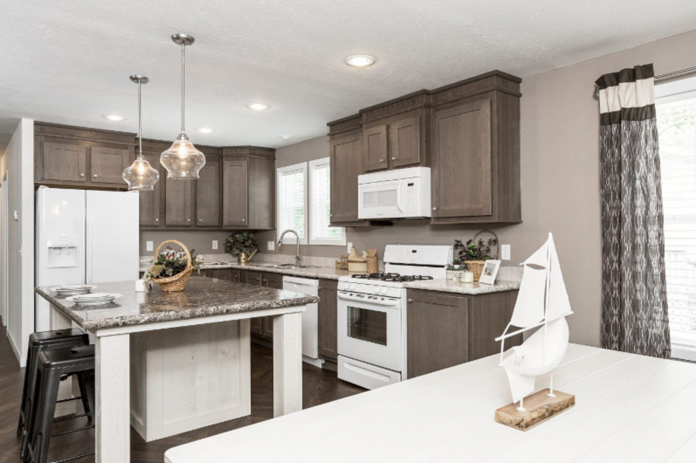
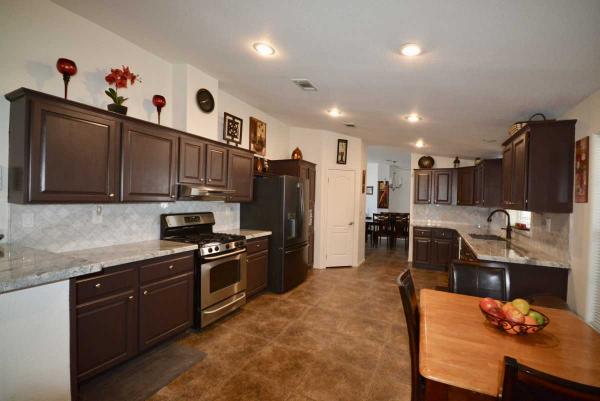
Photo 3: Kitchen
We all know this is one of, if not the most, important rooms in the house. A key in capturing the kitchen in a good photo is cleanliness! So, be sure your countertops and appliances are clean and free of clutter before snapping a pic or two.
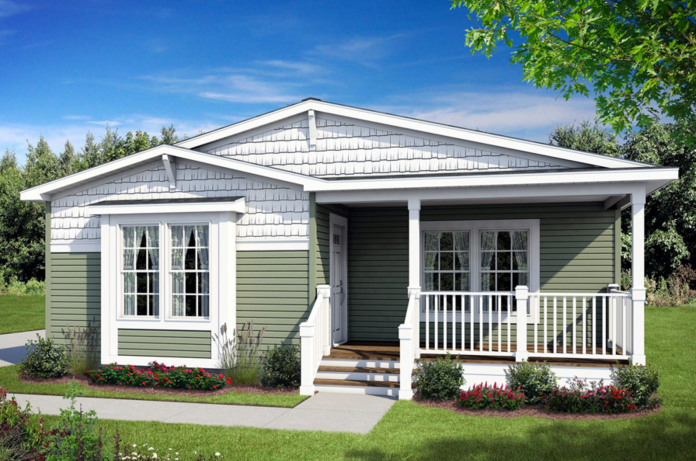
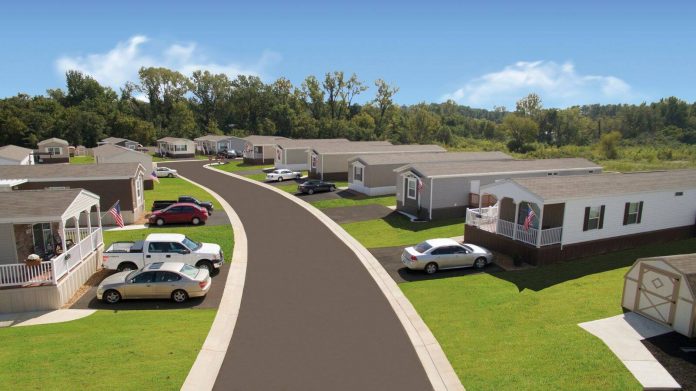
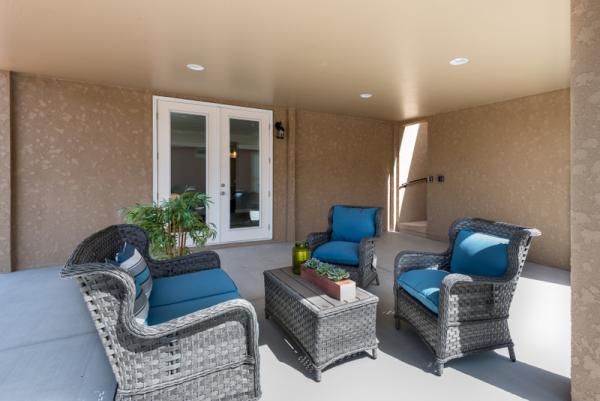
Photo 4: Porch/Patio Area
Similar to capturing the first exterior shot, you want to be sure the time of day is right for these images. Surprisingly enough taking exterior photos on a day that is overcast will actually garner the best results as too much sun can provide a whole new list of obstacles.
Photos 5-9: Bedrooms/Storage
Just like the previous shots, you want to be sure the bedrooms and storage areas are clean and organized before photo time. This not only shows more of the space and less of your stuff but it also shows the potential buyer how to utilize the space.
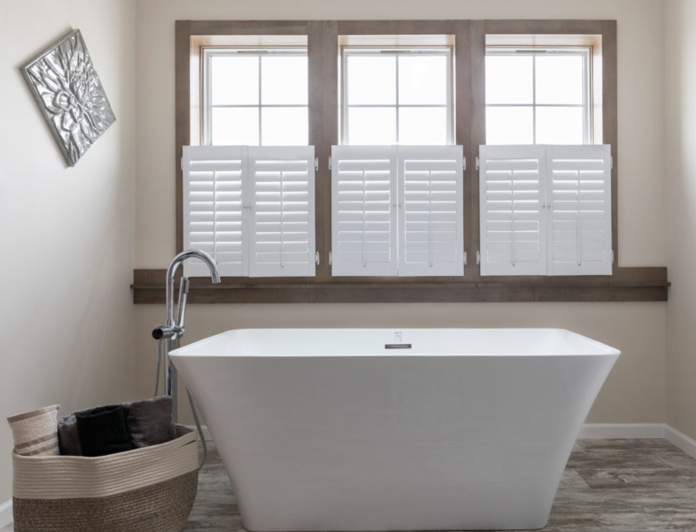
Photo 10: Bathroom
Let’s face it, everyone knows what a bathroom looks like. However, you still want to include a photo. Also, don’t lead with the bathroom as the first photo. Just a standard well lit, entryway view of the water closet is perfectly acceptable!
Photo 11: Garage/Carport
Once again, organization is KING. Clean and organize space within your garage or car-port too. This area also tends to have a hard time with natural light. For this reason, take a few photos from different angles and then review them after for the best options.
While a lot of these suggestions might seem simple, they really do make the difference.
MMHA’s 77th Annual Conference is run in collaboration with The Novi Home Show.
Come see the latest product, network with MMHA members and manufactured housing professionals, including sponsors and representatives from…
Platinum Sponsors RHP Properties Skyline Champion Sun Communities
Gold Sponsors Clayton Homes MHVillage/Datacomp
Silver Sponsors 21st Mortgage Corporation Capitol Supply & Service Oliver Technologies
Bronze Sponsors AJR Development All Seasons Communications Barrett & Associates, Inc. Infinity Billing Manufactured Housing Institute Origen Financial Services Paletz Law Style Crest, Inc. Triad Financial Services Zeman Homes & Neighborhoods
Exhibitors ABT Water Management AmRent Capstone Manufactured Housing Cascade Finance Clayton Homes Fairmont Homes JETT Pump and Valve, LLC MHP 360 MHP Global MHRE, Inc. Oliver Technologies Tie Down Engineering Triad Financial Services Universal Utilities
Display home tours will be provided by manufacturer representatives, and additional questions about manufactured housing in Michigan can be fielded by Darren Ing and Bill Sheffer of MMHA, which represents manufactured housing professionals across Michigan, including community owners, manufacturers and service providers.
A new model home from Clayton Homes on display Oct. 11 in Novi.
Homes on Display at the 77th MMHA Conference
From Clayton Homes
Clayton Homes will show a single-section home, The American Farmstead. It is 1,165-square-foot home with three bedrooms, two baths, a kitchen with an island and a large farmhouse sink, beautiful cabinetry, a master suite with a walk-in closet as well as dual sink and vanity and walk-in shower. It also will show a multi-section home for The Heritage Collection that offers 1,404 square feet with three bedrooms, two baths, built-in entertainment center, open kitchen and island snack bar with ceramic backsplash. The large master suite includes a dual sink and vanity with freestanding shower.
From Champion Homes
Freestanding tub from Champion Homes, one of the many new home features on display Oct. 11 in Novi.
Champion Homes also brings a pair of its latest models to the 77th Annual MMHA Conference in Novi. The first of its multi-section homes is from Redman Advantage, and provides 1,560 square feet with three bedrooms and two baths. It boasts the new Ultimate Kitchen with island, subway tile backsplash and stainless steel appliances, with a large master suite and walk-in closet and freestanding tub.
Champion’s second multi-section model home at the 77th Annual MMHA Conference is from its Fortune Gold Star II series, with 1,612 square feet, three beds and two baths, open dining to living area, kitchen island, stainless steel appliances, and a master suite with walk-in closet and dual vanity.
From Skyline Homes
Skyline Homes will show The Arlington, a 1,950-square-foot multi-section with three bedrooms and two bathrooms, a large kitchen with granite countertops, and stainless steel appliances.
Show Times for 77th Annual MMHA Conference Oct. 11, 2018
8 a.m. – 4:30 p.m. – 77th Annual MMHA Conference 5 – 7 p.m. – Reception and Showcase of Homes
Summary of 77th Annual MMHA Conference Presentations
Finance Panel with Michael Cicardi of Cascade Financial Services and Kevin Barker from Triad Financial Services
Legal Panel with Jason Hanselman of Dykema, Ryan Fishman of Fishman Group, I. Matthew Miller of Swistak Levine, PC, and Matthew Paletz of Paletz Law
Legislative Update with John Lindley and Bill Wortz of Public Affairs Associates
Engineering Panel with Phil Copeland from Champion Homes and John Weldy from Clayton Homes
Fair Housing discussion with Rick Robinson of MHI and Matthew Paletz of Paletz Law
Inspection Panel with Mark Conte of Conte Manufactured Housing Compliance Services and Dan Malin of Malin Inspections & Consulting
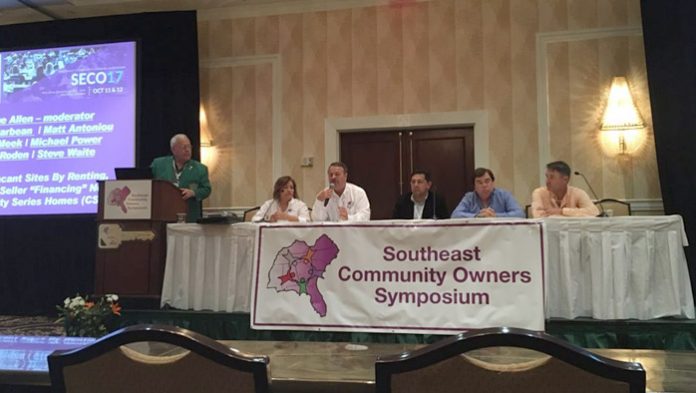
The Full SECO Schedule is Out for the Symposium Oct. 9-11 in Atlanta
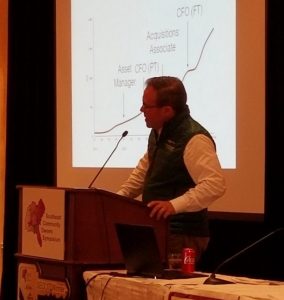
Jefferson Lilly presents on manufactured home community management during the 2017 event in Marietta.
The SECO schedule of presenters and panelists offers deep insight on the daily operations of small- to mid-sized manufactured home community ownership and management. The annual symposium will be held Oct. 9-11 at the Atlanta Airport Marriott on Best Road.
Pre-SECO workshops begin Oct. 9, and the general session runs Oct. 10-11. All pre-SECO happenings are available for an added $100. Register for SECO while space remains!
SECO (Southeast Community Owners) attendees meet each fall in Georgia to collaborate on opportunities for growth in the marketplace and to share and learn about ways to improve the experience of community residents.
More than 200 community owners, managers, investors and service providers will gather this year.
What Will You Find in the 2018 SECO Schedule?
Wednesday Oct. 10
7-8:30 a.m. — Registration 8:30-9 a.m. — Welcome (David Roden, Larry Matthews, Spencer Roane, Tom Lacky) 11-Noon — Five Keys To Bringing New Manufactured Homes into Your Community, presented by Michael Callaghan of Four Leaf Properties Noon-1 p.m. — Internet Marketing Trends and Tips by Darren Krolewski of MHVillage 1-2:30 p.m. — Lunch, State of the Industry from George Allen, MH consultant and writer 3:15-4:15 p.m. — Lessons Learned by New Community Owners (Panel of owners) 4:15-5 p.m. — Succession, a conversation on generational business strategy and planning led by Bret Danko of GENCapital 5-8 p.m. — Roundtable, Networking, Mixers
Thursday Oct. 11
8:30-9:15 a.m. — How Much Could My Community Be Worth? A moderated panel on valuation and timing of a sale, led by Dave Jackson of Keller Williams/G2 Commercial Real Estate 9:15-10:15 a.m. — One Minute Money Makers, led by Tom Lackey 10:15-11:15 a.m. — Refinancing for Community Acquisition and Refinance by Steve Case 11:45-12:45 — BOOM! The Next 10 Years, by Ken Corbin, homes sales consultant 2-3:15 p.m. — Financing of Manufactured Homes 3:15-4:15 p.m. — Wrap, pass the mic
Small- to midsize-community owners meet Oct. 9-11 at SECO 18 in Atlanta.
More Details about SECO
The Atlanta Airport Marriott on Best Road in College Park is conveniently located and recently renovated, providing ample space and infrastructure for SECO18 attendees.
“We think this is going to be the biggest and best SECO we’re ever had,” Co-founder David Roden said. “And it’s right next to the airport, and there’s a shuttle that can bring you right over.”
Founders of the SECO symposium composed the opportunity specifically for owners of small- to mid-sized communities. They bill it as “Community Owners Helping Community Owners”. This year the event, despite its name, will include representatives in the manufactured housing industry from 25 states.
The annual event also is valuable for investment, lending, insurance, brokerage and product and services professionals from the manufactured housing industry.
New for pre-SECO 18 are presentations on complementary industries, such as RV and self storage, as well as an off-site live demonstration of a home installation and set-up.
Other added features for SECO 18 are a new classified advertising opportunity in SECO marketing materials, and a program to help service veterans and their families.
SECO Veterans Assistance Program
“Since we are a nonprofit, if we have some extra funds we will accept applications to help veterans and their spouses,” Roden said.
Requests for assistance might include the purchase of a new AC unit, installation of a front entrance ramp, or accessibility features inside the home, for instance.
“We’re just looking to help American service veterans across the country through our community owners,” Roden said. “We are taking donations for anyone who wants to contribute.”
MHM Certification Class on Oct. 8
Before the symposium kicks off, interested attendees can register separately for a manufactured housing manager training and certification course.
Kathy Taylor and George Allen will lead a Manufactured Housing Management certification course that will provide information on how to get started in the business, how to lead, marketing and management strategies, as well as how to buy and sell, plus more.
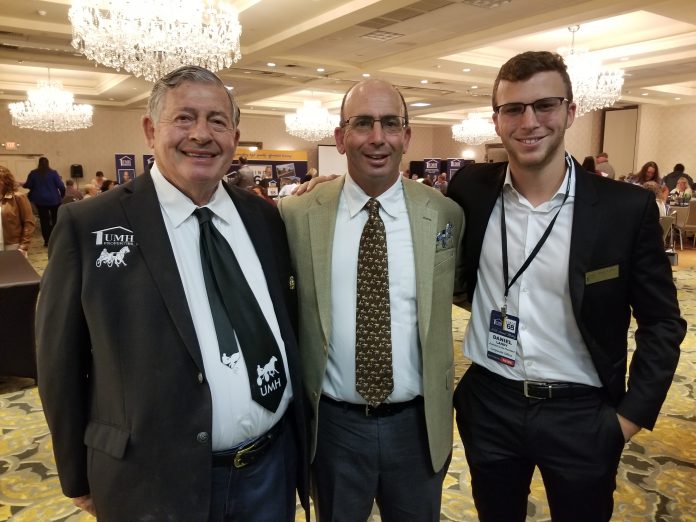
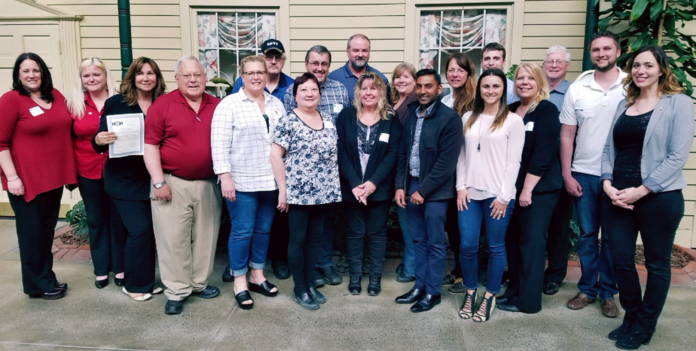
UMH Founder and Chairman Eugene Landy with his son CEO Sam Landy and grandson Daniel, who serves as UMH's assistant to the president.
The Nation’s Most Veteran Manufactured Housing REIT Continues to Grow in Size and Sophistication. UMH Properties 50th Year Anniversary Celebration includes ‘#UMHStrong’ Training, Manager Meeting and Open Space Pace at Freehold Raceway
It’s evident early on at the annual UMH Properties meeting that the nation’s most seasoned manufactured housing REIT has what people these days call “a good culture”.
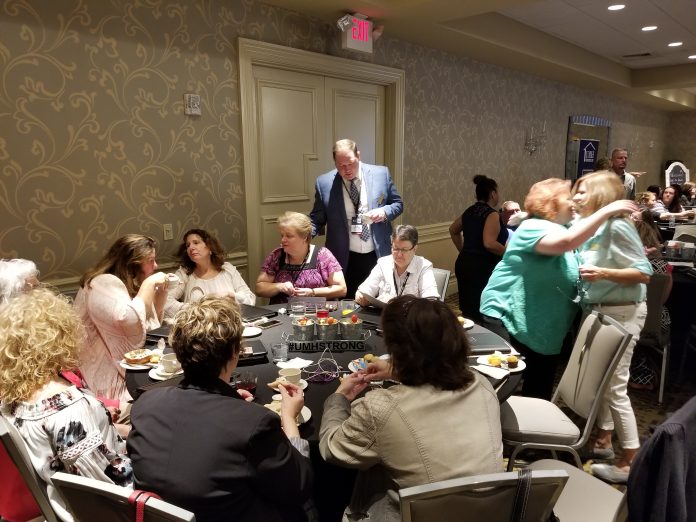
Nearly 150 employees flow into a Radisson banquet hall in Freehold, N.J. It’s 7 a.m., and the breakfast buffet is open before business begins.
UMH managers clamor in interchanging groups to greet each other and swap stories. It’s a gathering that occurs at least once a year. And it’s obvious that everyone knows each other, save a few newcomers including me.
There are a lot of hollered jokes, laughing, hugs and robust claps on the back.
Everyone is happy to be sharing the same space again. And isn’t that what it was called 50 years ago, when UMH formed? Before it was called “good culture”, it was “people who were happy to share the same space again”. This is one of the many celebration-worthy aspects of the UMH Properties 50th Year Anniversary of providing quality, affordable housing.
Countryside Estates, a UMH Properties community in Muncie, Ind. Photo courtesy of UMH Properties, Inc./Abby Goldberg.
The New Guy at The Table
A few of the other newcomers took seats at the table where I sat alone, taking notes and snapping photos.
Employees with UMH Properties greet each other at the recent annual meeting in Freehold, N.J.
Jon Johnson and Roger Eubanks of Anderson, Ind., represent Red Bud Estates, an all-ages community with more than 600 home sites. It is one of two communities that are among the most recent in an ever-expanding portfolio.
The purchase of Red Bud Estates and nearby Camelot Village was made three months prior, accounting for UMH Properties’ 113th and 114th community in Indiana, Maryland, Michigan, New Jersey, New York, Ohio, Pennsylvania and Tennessee.
“We have a really nice community,” said Eubanks, the sales manager for Red Bud and Camelot Village. “We’re getting a lot of new homes. We’ve had eight go in and there are more on the way. And we’re building a new sales center, which will be complete in the fall. It’s really going to be amazing.”
His colleague, Justine Paschal, is the community manager for Camelot Village. The transition to new ownership has been a lot of work, which is to be expected, she said. However, she and her residents are grateful the former property owners, Rubin and Margaret Stephenson, sold to an ownership group with vision.
“We have some ‘pre-HUD’ homes being replaced with new homes, mostly from Champion,” Paschal said. “UMH really does provide a lot of support for us, and allows us to do everything possible to provide a positive experience for our residents.”
Eugene Landy Entered the Manufactured Housing Industry in 1968
Memphis Blues, a UMH Properties community in Memphis, Tenn. Photo courtesy of UMH Properties, Inc./Abby Goldberg.
UMH Founder and Chairman Eugene Landy has 150 employees, special guests and VIPs in town for the annual meeting. Three generations of Landys have helped to pull the event together, and the company founder was excited to greet and see everyone. He also looked forward to a conversation with Joe Stegmayer, CEO of Cavco Industries, Inc., to talk about the future.
Everywhere you look, in every industry, Landy says, there has been astounding innovation.
“It’s very encouraging to me when I hear that Amazon is talking to this builder, and Google is talking to that builder,” he said. “I think when these people really get involved we’ll see some significant change. When you can find a good way to put even $1,500 worth of technology into a home, that will be the beginning of something new. It will be the beginning of a whole new housing market. We’ll have entertainment, security, communication and individualized climate control ready to go. That will be something.”
In addition, Eugene Landy is keen to talk about the possibility of designing a new kind of trans-Pacific ship specific for carrying homes to island nations and other far-flung and underserved locales.
Countryside Village, a UMH Properties community in Columbia, Tenn. Photo courtesy of UMH Properties, Inc./Abby Goldberg.
On the UMH Founder
Gina Beasley, a UMH vice president, marvels at the board chairman’s energy and passion for the industry.
“He is such a wonderful man, and he has so much knowledge to share,” Beasley said of the UMH founder and chairman. “He came into the manufactured housing business in 1968, and still comes into the office every day.”
Today Eugene’s son Sam Landy is the president and CEO for UMH properties, and he’s hired and groomed much of the current UMH leadership.
Beasley herself started as a community manager, moved to regional manager and today is the company vice president.
“Sam really believes in his team. He told me I had everything he needed, and for someone to have that kind of confidence in you and provide support the way the Landys do, it’s worth more than anything.” Beasley said.
From left, Claudia Edwards and Gina Beasley of UMH Properties.
Holiday Village in Nashville, Tenn.
Claudia Edwards has spent more than 15 years with four companies in the manufactured housing industry. She has managed communities from Georgia to New York.
“I’ve never worked with a company like UMH,” said Edwards, who manages Holiday Village in Nashville, Tenn. “I enjoy every day I come in to the office, the people I work with and our residents.”
Built in 1963, Holiday Village is in the heart of Nashville, so close that the horizon is dotted with the Nashville skyline. UMH purchased the all-ages property with 267 homesites in 2013.
“When UMH closed on the property, they had a letter prepared for each of the residents. It was an introduction letter, a welcome letter to the UMH family. That meant the world to me, because I’d never seen anyone do that,” Edwards said. “Gina and I hand delivered every one of those letters directly to residents.
“At that time,” Edwards continued. “The previous owner hadn’t repaved a street in that community in 30 years. Now we’ve redone nearly all of our streets. The last one is getting done this year. We had the entire old galvanized water system pulled out and replaced. We put up a privacy fence and we spent more than $100,000 on trees alone. It’s really been an amazing transformation.”
“We’re really proud of our managers, and the team here has done a great job to get them the resources they need to be successful. I am very impressed by the training we are providing today.” – Sam Landy, President and CEO of UMH Properties.
#UMHStrong in its 50th Year in Business
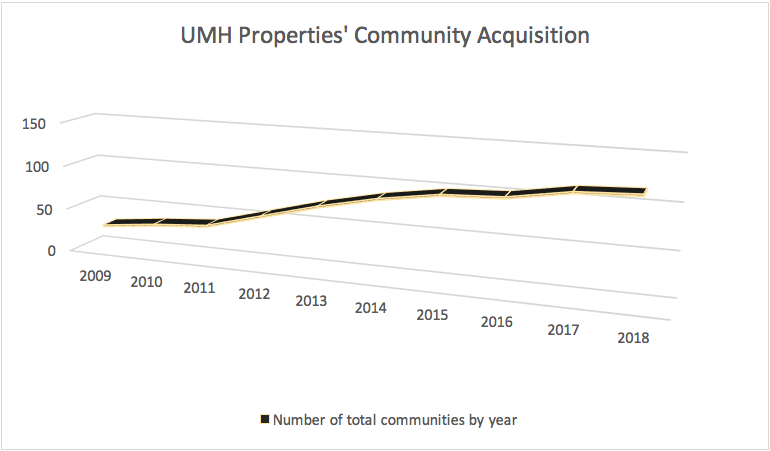
UMH Properties has been in an assertive growth pattern since 2010. In that time, 88 properties have been added to the portfolio. Eight have been added in the last 12 months, UMH Vice President Brett Taft said.
And in the UMH Properties 50th Year Anniversary, there are no signs of slowing. Moreover, the company motto for its 51st year is #UMHStrong.
“We’re selling more homes than I’ve ever seen,” Taft said.
Three Objectives in UMH Properties 50th Year Anniversary
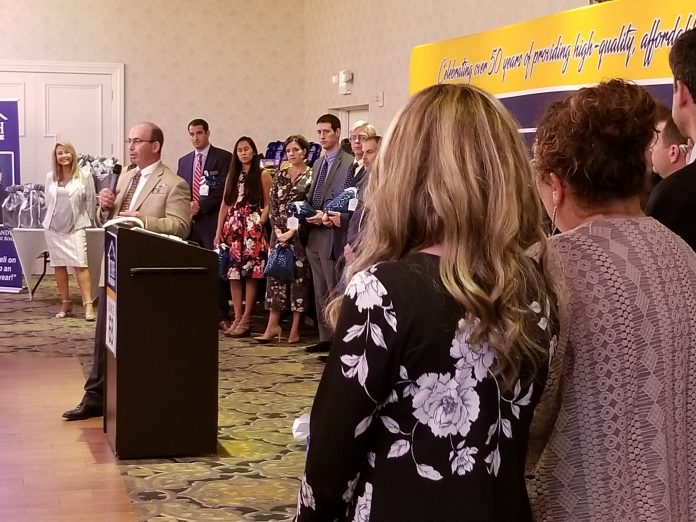
“We have three objectives,” Sam Landy told his team Friday morning. “High occupancy, high value and high efficiency. Those are the things we do every day.
“We’re great at the turnaround property. We’re great at upgrading that property, and when we look around the country there still are a lot of communities that need upgrades,” he said.
With a range of $750 to $1,800 per month on the high end, Sam Landy said UMH Properties is the housing rental solution for thousands of people.
“We provide an incredible product at an incredible price,” he said.
Employee Tenure and Retention at UMH Properties
Chris Lindsey, vice president of sales, has been with UMH for more than 30 years. Lindsey began her career as community manager in Memphis, Tennessee. Throughout her tenure with UMH, she has been promoted to regional manager, regional VP, and vice president of sales, a position she has held since 2005. In 2017, Lindsey had the prestigious honor of being inducted into the RV/MH Hall of Fame in Elkhart, Ind.
“UMH has grown exponentially over the past several years,” Lindsey said. “And with this growth, UMH has maintained its culture of family. The Landys have done a tremendous job leading the company to greater heights, while creating a legacy that we are all proud of. I am very proud and thankful to be a part of such an amazing company.”
For Midge Brooks, the manager of Spreading Oaks in Ohio, the annual UMH managers’ meeting is more than a work trip, more than a training exercise.
“This is almost a family reunion for us. We’re one of the original 28 communities,” Brooks said of communities that were part of the portfolio before assertive acquisition began in 2010.
“It’s amazing to see how we’ve grown. Every year there are a few new people here that I make a point to go meet, to get to know, because they’re new to the family.”
UMH Properties Has Been in Strong Acquisition Mode Since 2010
Jason Farmer is regional manager for operations in Michigan and Indiana. He came from restaurant management, starting a new career in property management.
“I will never leave this company,” he said. “Just because of the owners. I could be offered a million dollars for something else, and I wouldn’t take it. That’s how strongly I feel about the opportunity I’ve been given.”
Vice President of Operations Jeff Wolfe started working at UMH cleaning and cutting grass as a high schooler in the mid-’80s. Others, like mortgage loan originator T.C. Sheppard, had an even less conventional entry.
“Technically, I started working with UMH at 15 years old. I played the Easter Bunny at Memphis Blues, but officially I’ve been with UMH for five and half years” he said. “Gina Beasley had me come in and help set up for open houses, and she showed me the ropes at a young age, while instilling the values of UMH and the Landys. Years later, in 2013, Chris Lindsey contacted me to come take care of some IT work at their Memphis offices and shortly there after, she offered me a job.
“I didn’t have to think about it because I already knew the type of company UMH was from growing up around it, and hearing Chris and Gina talk about,” Sheppard said. “UMH is an incredible company to work for and everyone feels like family.”
Sam Landy and Vice President Christine Lindsey, far left, honor regional managers and UMH executive staff.
“Our managers work extremely hard and we want to be able to make marketing something that is easy for them.” – UMH Director of Public Relations Kristi McGovern.
UMH Properties Puts Focus on Marketing Initiatives
Abby Goldberg, UMH marketing director, and Kristi McGovern, UMH public relations director, visit new communities to help them get up to speed. They train each manager on sales and staging homes, as well as how to advertise and market their homes. McGovern said they also help to ensure each community is up to UMH standards and is branded with UMH colors and marketing materials. Additionally, the two often return to help community staff set up for open houses.
“You can’t turn around a community without going and spending some time there,” Goldberg said. “You have to see the community, get a feel for its location and the residents. That’s how we get started on a marketing strategy specific to that property.
“We like that success story that comes with rehabbing a community,” she said. “When we buy a high vacancy community and spend a couple years of resources toward making it a low vacancy community, that’s what we want to be able to talk about.”
Cedarcrest Village in Vineland, N.J., is a community Goldberg refers to regularly, as an illustration for how resident referrals can be a boon to business.
“We have a resident there who loves his community so much that he bought a home up the street to move his daughter in, and then had his granddaughter move in next door,” Goldberg said. “I think he has four homes in Cedarcrest now.
“We have a integral team that goes in to new high vacancy communities turning them around and bringing them up to UMH standards,” she said. “This can be a long process at times, but is well worth the result in the end. This team includes many of our vice presidents, Brett Taft, Bob VanSchuyver, Jeff Wolfe, Gina Beasley and Jeff Yorick.”
Open Space Pace in Freehold, N.J.
Suzanne D’Ambrose, of the Harness Horse Youth Foundation, and UMH CEO Sam Landy and Vice President Gina Beasley, ride “Indy”, “Harry” and “Grey”, respectively, to get the annual parade underway.
Central Jersey has a history with race horses, specifically Standardbred pacers for harness racing. Each year, the Landys and other area residents gather in central Freehold for the Annual Open Space Pace, a parade and races at the Freehold Raceway less than a mile from town, to raise awareness and funds for land preservation, specifically as it relates to horse breeding and training.
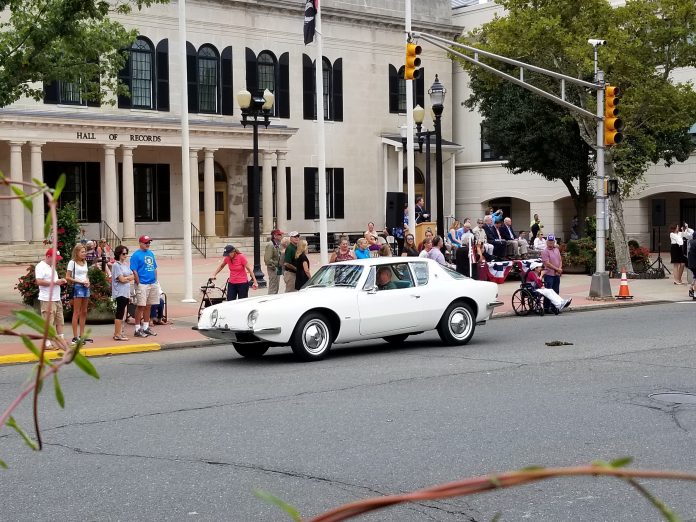
A 1964 Studebaker Avanti rolls by the Freehold Hall of Records near the beginning of the 2018 Open Space Pace Race sponsored by UMH Properties and the Landy family.
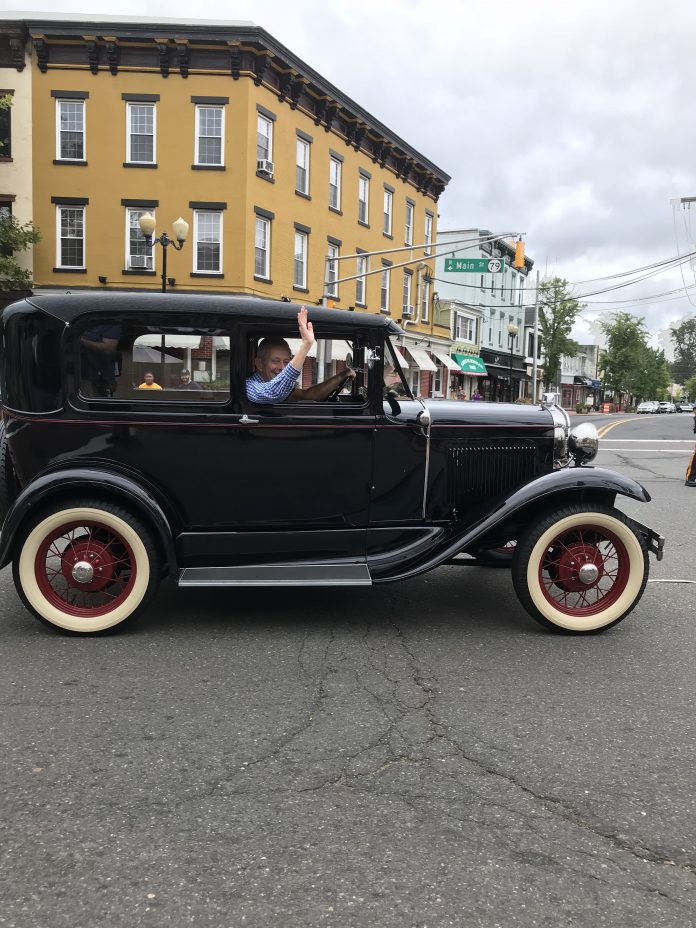
Sam Landy and Beasley mounted “Harry” and “Grey” respectively, to usher in the seventh year of the event. Behind them was four blocks of classic cars, including a rare 1964 Studebaker Avanti. Also, there were myriad high school marching bands, children on dressed-up bicycles and yet more horses. Parade horses were in costume as giraffe, zebra and peacock to fit the year’s theme “It’s a Zoo Out There”.
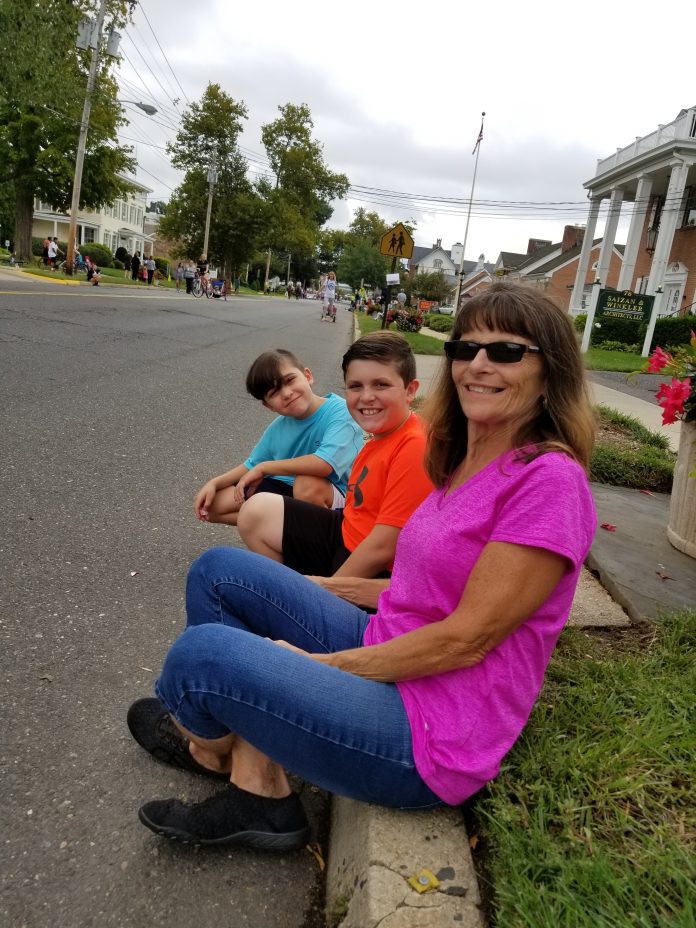
Marge Hill, a resident of Old Bridge who works in Freehold, said this year was the first she’d been able to actually attend the parade rather than peering through the storefront window on Main Street.
Marge Hill, of Old Bridge, sits curbside watching the Open Space Pace Race Parade with her grandsons, Andrew Bilotta, 10, in the center and Thomas Bilotta, 7, both of Freehold, N.J.
“I got to take my grandsons out,” she said. “They’re usually walking in the Memorial Parade for Boy Scouts, so this one they get to sit and watch. It’s a good day to be out,” she said.
Freehold Raceway Open for the Day
The gates were open as the procession to the track concluded. The day was free to the public, including a full day of racing. One of the drivers was Harry Landy, Sam’s son. He guided his aggressive starter “Newbie” to a first-lap lead before being overcome by the heavy favorite “Foiled Again”. The winner and sure-fire hall of famer won more than $7 million last season.
And, of course, in the UMH Properties’ 50th Anniversary, the racetrack grounds were used to profile the latest product, a single-wide home from Eagle River Homes and a multi-section home from Redman Homes.
Each of the homes was put on site in a steady rain. But Saturday turned into an ideal day for the Space Pace and touring homes. Additionally, each home is set for delivery to UMH properties in Pennsylvania, where it will be made available for a new community resident.
Joe Stegmayer, CEO of Cavco Industries, waves to the crowd along the parade route at the 7th Annual Open Space Pace in Freehold, N.J.
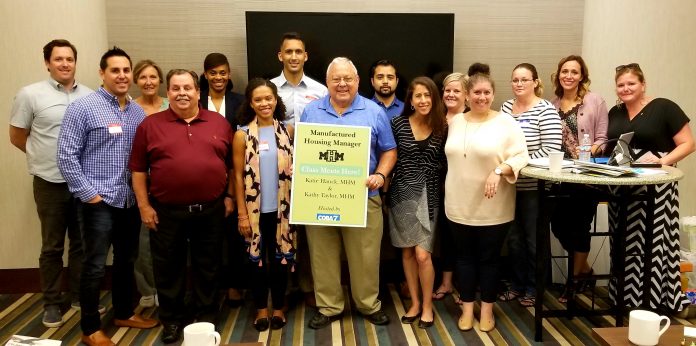
A recent class of graduates from the Manufactured Housing Management Certification class led by Kathy Taylor and Katie Hauck.
SECO Conference is One Month Away — Sign up for MHM Certification and pre-SECO seminars
Kathy Taylor of Hauck Homes and George Allen Collaborate on Manufactured Housing Management Certification Course for the first time at SECO18
George Allen has conducted his Manufactured Housing Management Certification course several times each year for decades. The program is the lone land-lease management certification course in the U.S and Canada. It has resulted in the certification of more than a thousand manufactured housing professionals seeking industry guidance.
Taylor and Katie Hauck of Hauck Homes recently completed a well-attended course at the 27th Annual George Allen International Networking Roundtable in Indianapolis.
“We were able to certify 12 MHMs at the Roundtable this year bringing us to around 1,200 certified MHMs to date,” Taylor said. “The class went very well. We had a mixture of very seasoned managers as well as a brand new manager, who spent her first day attending the class.”
Allen and Taylor will lead the Oct. 8 MHM Certification class at SECO18.
George Allen stands center with the dozen MHM Certification graduates from the recent 2018 Roundtable in Indianapolis. Instructors Katie Hauck and Kathy Taylor are at the right with the table of class materials.
Register for Manufactured Housing Management Certification Course
Hauck and her husband Ken Hauck operate a dozen manufactured home communities Illinois and Tennessee, and have helped to build on Allen’s curriculum. This is the third year the tandem has led the course.
“George has provided this resource to the industry for a long time, and we’re happy to be able to continue the tradition of preparing managers with a curriculum that draws from decades of experience nationwide,” Katie Hauck said. “Our class attendees find a great amount of value in conversation and resources we’re able to provide. We hope our efforts create a great base of knowledge for the individual who is in the class, and also can translate into a learning experience for their staff and contractors.”
The seven-hour class on manufactured housing management costs $295 and provides the Manufactured Housing Management book, a resource guide and a thumb drive containing all the sample documents used in the class.
SECO18 in Atlanta Runs Oct. 10-11, with added pre-SECO seminars on Oct. 9
SECO18 at the Atlanta Airport Marriott in College Park is a convenient and recently renovated location that provides ample space and all the technology needs for the more than 200 manufactured housing industry professionals who will attend.
The symposium was built by and for small- to mid-size community owners, but draws professionals from all areas of the manufactured housing industry. Register for SECO18 and make travel and hotel reservations while availability remains.
MHM Certification Class Topics
After introductions and a little bit of industry history, Hauck and Taylor will cover these topics and more within the following industry areas:
MMHA Works Deal to Save Installers, Servicers on Manufactured Housing Licensing Change
It was late July when Denise Demmink received an “earth-shattering” email on a pending manufactured housing licensing change.
“I got pretty worked up over it,” Denise said. She and her husband Rick Demmink run Demmink’s Mobile Service in Lowell, Mich. “It would have put us out of the relocation business overnight.”
The email was from the Michigan Manufactured Housing Association, or MMHA. It had an urgent warning for its members. The state government was changing its manufactured housing licensing rules for installers and servicers of relocated homes. The new rules would put a significant burden on the Michigan industry. The email urged members to contact the Michigan Bureau of Construction Codes (BCC) right away.
Demmink got in touch with everybody she could think of at the state government. To her relief, she was told that the proposed manufactured housing licensing change had been scuttled.
Courtesy of Adventure Homes.
MMHA Motivates Members to Oppose MH Licensing Change
The reversal was the result of a “quick and decisive backlash by MMHA members with phone calls to the BCC challenging the policy change,” said Darren Ing, MMHA’s director. As a result, BCC will remain the state’s licensing agency for installation and service work on relocated homes in manufactured housing communities.
“This is a significant victory for our industry,” Ing said. “It demonstrates why it’s important to maintain an industry-specific license that protects not only manufactured housing communities, but the residents who live in those communities.”
However, the victory was a partial one. The U.S. Department of Housing and Urban Development now regulates work done on new manufactured homes in the state. This leaves the Michigan industry with two regulating agencies (HUD and BCC) and two standards (new and relocated), Ing said.
“This originally created confusion for our members, but we have worked very diligently to provide the necessary information to assist them,” he said.
‘Undue burden’ on manufactured housing installers and servicers
Denise and Rick Demmink of Demmink’s Mobile Service.
Keeping BCC as the licensing agent for relocated homes is better for companies like Demmink’s Mobile Service, which has spent most of the last two decades in the relocation business. Demmink’s would have faced two unworkable choices if the state had enacted the proposed change. For one, Rick, the owner and licensed builder, would have had to take time off of work to qualify for the new license. If the owner and licensed builder isn’t working, none of the employees can work, Denise said.
“He is our company,” she said of her husband. “He’s on every job site.”
The second choice was even more unrealistic: If he didn’t get the new license, Rick would have had to work under another builder who did have it.
“What builder out there knows more about manufactured housing?” Denise said. “What could that builder possibly tell my husband, who’s been doing this for 30 years?”
The interior of a Heritage Collection home from the 2017 MMHA Home Show.
How A Manufactured Housing Licensing Change Might Have Affected Customers
The industry chaos resulting from the proposed manufactured housing licensing change would have affected consumers, too. Denise could only imagine the backlash from homeowners who want to move their homes but can’t find builders with the appropriate license.
Ing said the proposed license change was part of a state government effort to streamline regulations. Previously, BCC had provided a license for installation and service work on both new and relocated manufactured homes. That license was scheduled to end on Oct. 1, 2018, when Michigan’s Bureau of Professional Licensing would have become the new licensing agency. The new procedure would have required prospective licensees to complete 60 hours of education, fill out an application and have it processed in a short period of time.
“This change was not publicly announced and was creating confusion and an undue burden for our members, the industry, local municipalities and inspectors,” Ing said.
Another problem: the proposed 60 hours of education would not have covered manufactured housing, only issues surrounding site-built homes. So, licensees would somehow shoehorn in 60 hours of education during the busiest time of the year, as well as earn a license that didn’t pertain to their field. Furthermore, the proposed license would have allowed its holders to work in both the manufactured and site-built industries. Ing did not think either industry wanted to be in that situation.
“There’s a distinct difference between traditional homes and manufactured housing,” he said. “It’s a clear disservice to require these individuals to get a license and education that bears no resemblance to what they do in this industry.”
Facebook is updating its advertising policies, which could have far-reaching effects for companies that buy ads on the social-media platform – including manufactured housing retailers.
On Aug. 21, Facebook announced that it would remove more than 5,000 ad targeting options “to help prevent misuse”. Removal of the targeted options is a way to prevent advertisers from excluding audiences based on attributes like ethnicity and religion, according to the announcement.
According to HUD, Facebook enabled advertisers to control the ads specific users receive based on race, color, religion, sex, familial status, national origin, disability and location. Facebook allowed advertisers to “effectively limit housing options for these protected classes under the guise of ‘targeted advertising’,” the complaint states.
HUD alleged that Facebook violated the Fair Housing Act, partly by allowing housing ads to men or women on a selective basis. And avoiding display of ads to users interested in terms that include…
“assistance dog”
“mobility scooter”
“accessibility”
“deaf culture”
“child care”
“parenting”
Additionally, the complaint points to discrimination against users interested in a particular place of worship, religion or tenet. Also, for not showing ads to users interested in terms like “Latin America”, “Canada”, “Southeast Asia”, “China”, “Honduras” and “Somalia”. And for withholding ads for users who live in specific zip codes.
The Social Media Platform’s Response and Facebook Ad Changes
The Facebook announcement did not list any of the specific ad-targeting options that it would remove. It stated that, for more than a year now, Facebook has been requiring advertisers of housing, employment or credit services to certify their compliance with the platform’s non-discrimination policy. Gradually, Facebook will roll out that certification to all U.S. advertisers via its Ads Manager tool.
“Advertisers will be required to complete this certification in order to continue advertising on Facebook,” according to the announcement. “We’ve designed this … in consultation with outside experts to underscore the difference between acceptable ad targeting and ad discrimination.”
According to Rick Robinson, senior vice president of state and local affairs for the Manufactured Housing Institute (MHI), one of Facebook’s goals with the new rules is to prevent “online redlining” – targeting ads in a manner that would exclude protected classes of consumers.
“We expect to see more changes to the platform as the case continues,” Robinson said.
Robinson offered more perspective from MHI on the HUD/Facebook situation, along with some suggestions for best advertising practices.
Stay Nimble in Response to Facebook Ad Changes
So, what’s a manufactured-housing retailer who advertises on Facebook to make of the platform’s ever-changing and ambiguous rules?
Gary Adamek, Fayette Country Homes
Gary Adamek, owner of Texas-based Fayette Country Homes, said his company had not yet responded to the latest Facebook announcement, but one of his three retail locations is already decreasing its dependence on Facebook ads – mainly because they are not as effective as they used to be.
The Fayette Country Homes store in Sealy, Texas, was the first of its locations to advertise on Facebook. Before long, the store was running large ad campaigns on the site, which caused a noticeable bump in customer traffic, Adamek said. He added, two other stores in Schulenburg and Huntsville eventually followed suit.
However, the boost in customer traffic at the Sealy store was brief. Just a couple of years ago, the store put about 85 percent of its advertising budget on Facebook ads. Today it dedicates about 30 percent of its budget toward the platform. The store is now concentrating most of its ad dollars on strategically located billboards, he said.
“I’m not sure that’s the right answer,” Adamek said, but Facebook “didn’t seem to bring people in like it used to, so we decided to start trying something else.”
Furthermore, Adamek said he is uncertain why Facebook-generated traffic slowed down at the Sealy location, but he has a theory.
“I chalk it up to everybody using Facebook for ads now,” he said. “It used to be special, but now it’s just run of the mill.”
Still, Facebook remains a big part of his company’s advertising mix. The other two locations use it more than ever, Adamek said.
Michael Callaghan of Four Leaf Properties offers suggestions for pricing and advertising homes for communities.
MH Pro Provides Insight on How to Price Your Home and Find Your Customer
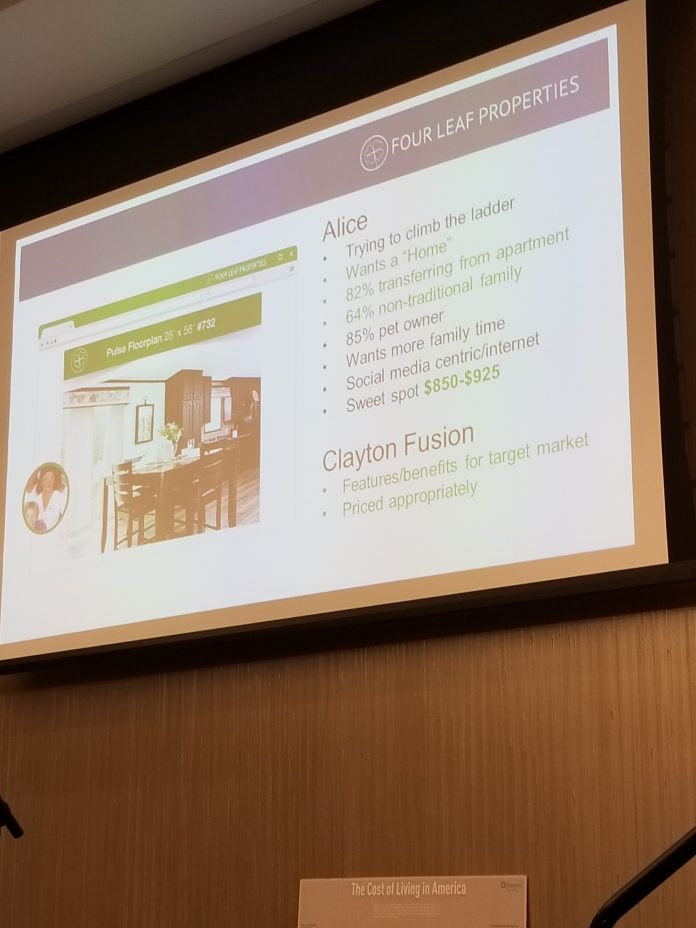
Michael Callaghan of Four Leaf Properties presented at the 27th International Networking Roundtable in Indianapolis to provide information on strategies that will help you find your customer. Or, better yet, how to find your “Alice”.
Yes, Callaghan and his colleagues developed a system of customer personas based on 1970s and ’80s screen characters – Maude, Alice, Roseanne and Edith for instance.
“This is real for us,” he said of the characters. “You of my sales people will call me and say ‘I’ve got a Roseanne, and she’s looking for…’”
If you want to bring your business to its greatest potential, you have to know who your customer before you can find your customer. If you build out personas, you’re certain to better understand your market and be able to satisfy wants and needs for their next home.
Pricing Homes
When you sell homes in a community, you have to understand there are a certain percentage of homes you will end up taking back to sell again. If you’re not priced fairly from the start, you might be doing yourself a great disservice down the line.
“It’s just the way the math works,” Callaghan said. “I shouldn’t be losing my shirt bringing in a new home for you, but I shouldn’t be raking you over the coals either.
“Get your pricing in line before the home arrives,” he added.
Getting the Right Website to Find Your Customer
The company or community website is the place to start for customer engagement. If you have a less than intriguing website, advertising and social media campaigns will fall short. With campaigns abroad, you need to have a great place to point your customer for the close.
“You have to create an experience for them, get them to feel a little something about the community on that website,” Callaghan said.
Put the pricing out front on the website; don’t make your Alice wait. Get the home details and specifications in place, and use good photos and video. Use a great resident testimonial or other evidence that will help your customer find what they need.
Advertising to Find Your Customer
Craigslist and other general market listing sites, especially the free ones, might find you customer but they’re unlikely to find you the steady flow of the customers you want.
“We were basically chasing around at the bottom of the barrel wasting our time,” he said.
When his group became more serious about mapping their success, they got more focused with campaigns on Facebook and MHVillage, and made the most of their Google business listing.
“If people Google you and can’t find you, you don’t exist,” he said.
Find Your Customer Through Targeted Campaigns
Callaghan said Four Leaf recently has expended more than $700,000 on marketing campaigns. Flowing money to marketing is much needed, even if not to that degree.
Some of the digital campaigns Four Leaf has run this year carry messages like “Apartments Suck” and “Give Me Space”.
“Campaigns are not that hard,” Callaghan told the Roundtable attendees. “Come up with an idea and do it. It will energize your team and you will be amazed how much activity you get.”
You may find your customer, and you may even find your Alice.
Joe Stegmayer during a presentation in Indianapolis in September 2018.
Stegmayer Plugs MHI’s Quality Representation on National Stage with Regulatory Relief in Washington
The 27th Annual International Networking Roundtable is underway in Indianapolis, headed
George Allen, a longtime manufactured housing industry community owner and consultant, founded the Roundtable and introduces Joe Stegmayer.
off by Cavco Industries Chairman Joe Stegmayer, who lauded the Manufactured Housing Institute for its work in Washington, D.C.
Stegmayer also is chairman of the board for MHI. He said with limited membership and budget, MHI has been able to lobby and propagate positive change on par with other, much larger and more well-funded trade associations.
“We’ve made a lot of progress on laws and regulations that affect our industry,” he said. “We’ve had 100 meetings on Capitol Hill with legislators and their staffs. To think that MHI is getting this done is pretty amazing.”
Areas of Positive Change on Regulatory Relief in Washington
Turn-back of Dodd-Frank language that prohibited home sellers from mention of finance terms
Initiation of discussion and education leading to HUD top-down review of manufactured housing rules
Lobby against federal overreach on prohibitive regulations regarding frost-free foundations, garage and porch-ready homes, transport and install of French door systems
With housing prices rapidly and continually rising, the surging demand from millennials and retirees, manufactured housing has presented itself as an answer to the housing crisis, if not “the answer”, he said.
“We’re affordable housing without the subsidies,” Stegmayer said. “Not a lot of people know that, and MHI, the RV/MH Hall of Fame are institutions that provide platforms to send this message.”
Dodd-Frank Change is a Big One for Regulatory Relief
Until MHI’s lobby efforts took hold, retailers in all areas of the business — from street dealers to community operations — had a difficult time selling homes because federal law said they couldn’t talk about approximate loan payments and terms.
“I think that really tied the hands of home sellers,” Stegmayer said. “And it made the buyer leery of ‘why wouldn’t they tell me what my approximate loan payment would be?'”
George Allen, a longtime manufactured housing industry community owner and consultant, founded the Roundtable.
George Allen’s 27th Annual International Networking Roundtable starts today in Indianapolis, at The Alexander hotel through Friday Sept. 7. The event includes more than 20 presentations from manufactured housing industry experts.
Topics range from finance options to marketing opportunities to property management issues.
Event Founder George Allen will greet attendees Thursday morning and introduce 2018 keynote speaker Joe Stegmayer, chairman of Cavco Industries and chairman of the board for both the Manufactured Housing Institute and the RV/MH Hall of Fame.
At 10:15 that same day, Mike Price from the Federal Housing Finance Agency will serve on a panel with Griffer Cotter and Michael Harn from Freddie Mac, as well as Jose Villarreal and Ben Navarro from Fannie Mae.
Who Goes to the International Networking Roundtable?
Oct. 6-8 at Avalon Hotel in Alpharetta, Ga.
Manufactured housing community owners have never had more information available to them — or more decisions to...
The Midwest Manufactured Housing Federation has announced that attendee registration is now open for the 2027 Louisville Manufactured Housing Show, returning to the Kentucky...
HUD’s Innovative Housing Showcase, MHI’s Homes on the Hill and Annual Meeting Begin Sept. 22
Two of the country’s largest builders of manufactured homes will...



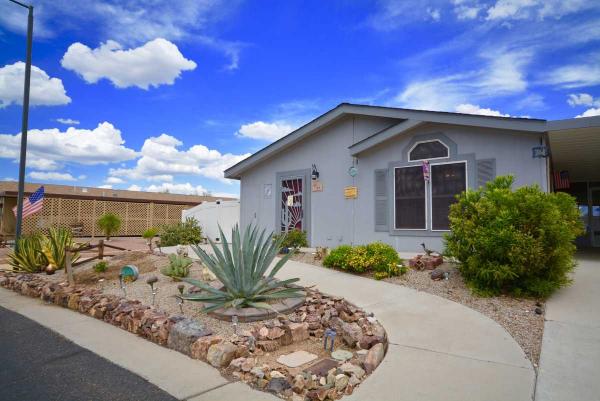
 Similar to capturing the first exterior shot, you want to be sure the time of day is right for these images. Surprisingly enough taking exterior photos on a day that is overcast will actually garner the best results as too much sun can provide a whole new list of obstacles.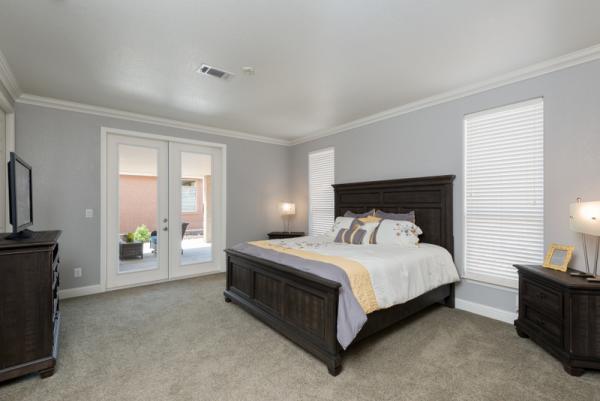
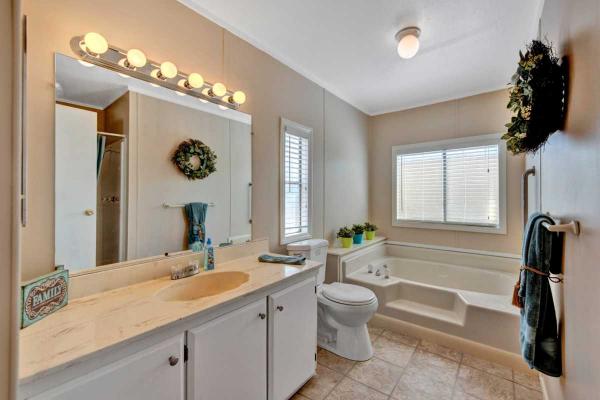 Photo 10: Bathroom