About 500 manufactured housing industry professionals are in attendance at SECO20, a virtual conference for community owners.
Manufactured Housing Institute President Mark Bowersox and longtime community owner and industry writer and educator George Allen provided the opportunity for 500 manufactured housing industry professionals to get a “State of the Industry” update during The SECO National Conference of Community Owners on Oct. 1.
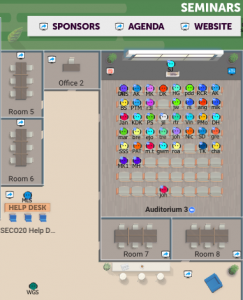
SECO20 is a virtual conference being held on the Sococo platform.
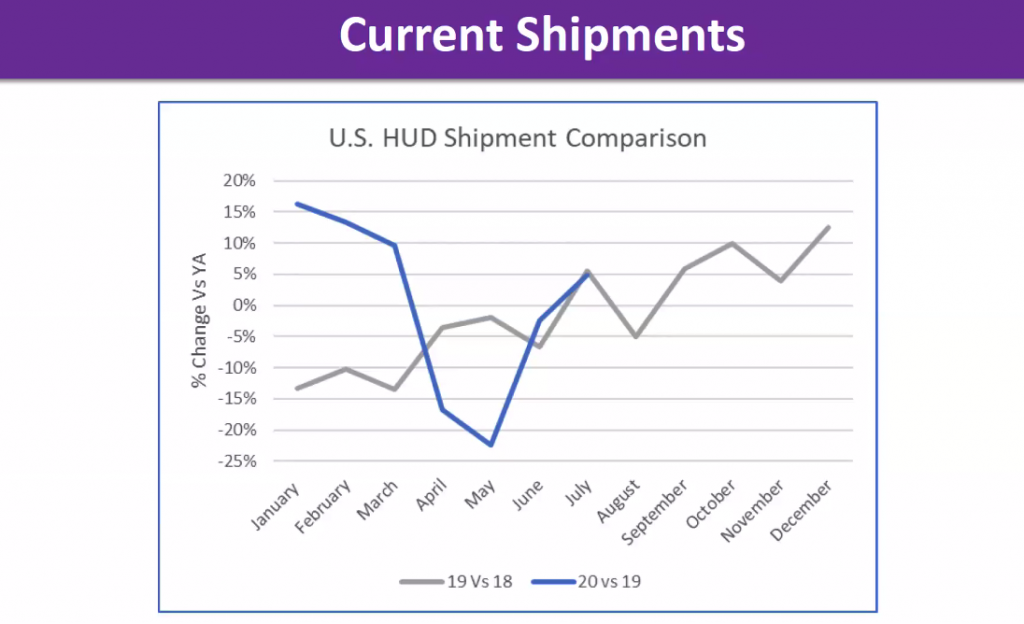
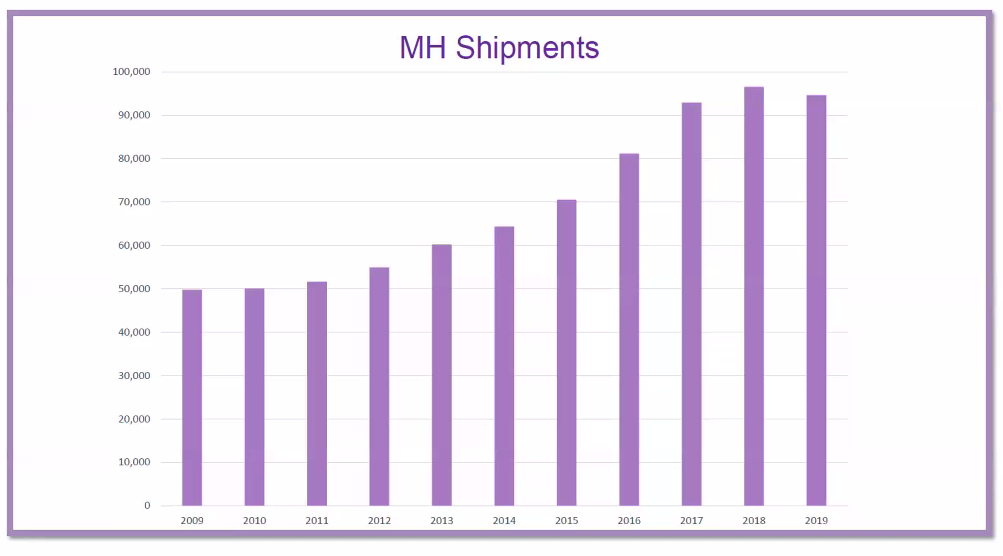
Manufactured housing industry new home shipments have been a logistical challenge during materials and labor strains associated with the pandemic and COVID-19 restrictions. With that in mind, production has been good.
“2020 started out really strong and then COVID happened,” Bowersox said. “The industry responded very well. There’s the v-shaped recovery you’ve heard about, that’s very much what we experienced and that’s what you’re seeing here.”
“To this point right now our industry is about 100 homes off the pace from last year,” he said.
Manufactured home shipments trend up from 2009. Slide images courtesy of MHI.
Beyond Manufactured Home Shipments
Mark Bowersox, of MHI.
Bowersox reminded his audience of community owners and operators, along with other factions of the industry, that growing the industry isn’t all about growing new home sales.
“It’s also about growing new land for land-lease communities, for our customers,” Bowersox said.
MHI works in Washington, D.C. to address national issues for the industry. It also partners with state associations to handle challenges on the state to local levels.
Allen said access to capital, particularly with a lack of secondary markets, continues to be among the industry’s top challenges. Still, land-lease communities provide a path to homeownership and a great value for those looking to buy a first home or to live more affordably.
Consolidation continues in the industry, Allen said. Resident-owned properties are an increasingly common model, as is the emphasis on park-owned homes for rent.
Community owners in all parts of the country are increasing the mix of rentals on a property, and some manufactured home communities are being designed or built for 100% rental homes. Allen cited the National Average Multi-Family Rental Rate, which shows a 2019 national average at $849 per month.
“This represents a roughly $50 incentive for living in a land-lease community,” Allen said.
During the last several months several surveys and reports have shown more stability among renters in manufactured housing versus apartment living.
“Virtually every land lease owner I’ve talked to during the last six months is impressed by how much residents have honored rental agreements,” Allen said.
The Future of Manufactured Housing
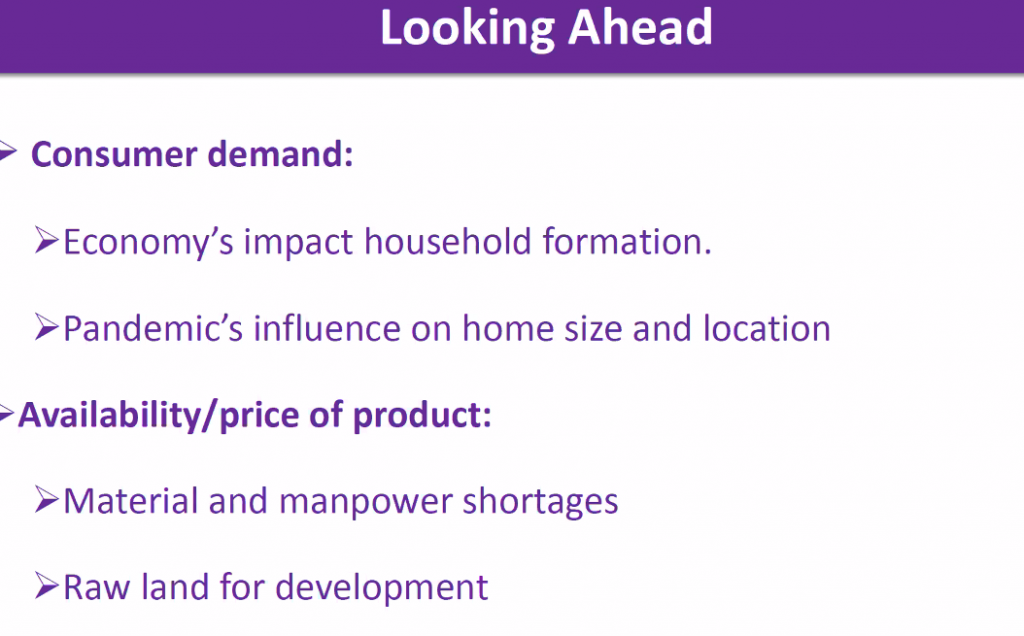
Bowersox said strength through the pandemic indicates the industry may be able to pick up where it left off when the crisis begins to wane. HUD Code reform plays into that, he said, and so does the support of HUD Secretary Ben Carson.
“He’s our chief storyteller,” Bowersox said of Secretary Carson. “There are many examples of him espousing the benefits of manufactured housing and we’re pleased to have him as an ally,” Bowersox said.
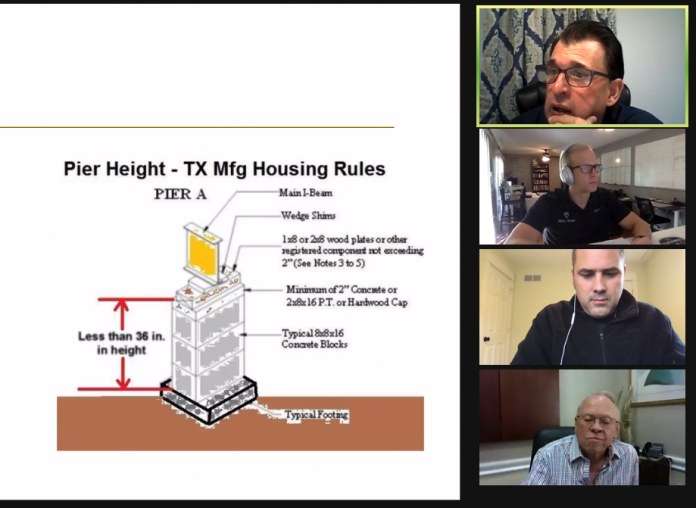
Shawn Fuller, top right, from Tiny House Outlet, leads a SECO20 session guiding community owners on home delivery and installation.
The First-Ever Virtual SECO Conference Provides Platform for Industry Learning
A sold-out SECO20 held on a virtual platform is hosting 500 manufactured home community owners and other industry professionals for much-needed networking and professional guidance and sharing.
SECO, hosted each year for a decade in the Atlanta area, moved to virtual platform in partnership with MHVillage. The event opened with a welcome and thank you address by country music star and entrepreneur John Rich and moved into specialized programming on Manager Monday before kicking off in earnest Tuesday morning.
Tuesday at SECO20 from Installers to Attorneys
SECO20 is a virtual conference being held on the Sococo platform.
SECO provided guidance to community owners in a variety of ways during the first full day of programming at the annual event. There were presentations and panels for manufactured housing professionals that covered marketing principles, legal obligations, community valuation, sales strategies, and plenty more.
Andrew Keel from the Keel Team moderated a session on home delivery and installation hosted by Shawn Fuller of Tiny House Outlet of Lubbock, Texas, who offered up what to do and not to do in getting homes delivered and installed.
Find An Installer You Trust
A licensed and dependable installer is a person who is worth their weight in gold, especially during the limitations in the pipeline for products and services during the pandemic and COVID-19 restrictions.
“If you go out and try to learn every bit of information from every installation manual you’re going to waste a lot of time,” Fuller said. “You need to have someone who knows what they’re doing, but if they need to look something up, they can, they know where they need to go.”
In the state of Texas and in other locales, installers are able to operate without a license. However, it’s buyer beware. And an unlicensed contractor still would need to file an unlicensed installer form with the state or local governing entity.
Community owners meet Sept. 28 – Oct. 2 in a virtual setting.
Foundation is Everything
“I’ve seen installers take not great homes and put them on really good foundations and they will last a long, long time. I’ve seen ponding or negative drainage under any kind of home and it’s not going to work out,” Fuller asserted.
Know the number of piers you need for a given home. Each pier can hold about 8,000 pounds and with the proper array of piers, there’s no more than 3,500 pounds on each one of those piers even if there’s a greater than a 6-foot span between piers.
And, to this end, Fuller defended the installation manual as a resource when needed.
“A lot of people don’t know that there is an installation manual in every home, there has to be, it’s required,” he said. “Open up a few drawers, find one of those things and take some time to read it. Pick a lazy Saturday or a rainy day and just take some time to give it a look.”
Make sure your cap is level with or in the topsoil, and that there are enough bolts to secure the arm between piers, regardless of whether they are 6 or 8 feet apart.
“In my experience, that’s the number one failing inspectors I know see in the field,” Fuller said.
And be aware, Fuller said, if you have to replace one pier, you need to get a new inspection, which means the entire setup needs to meet code.
Think Foundation, Consider the Pan
A pan section sets into the ground under a home and ties to each side of the structure so when the wind blows high from any direction, it digs in and stabilizes the entire structure.
“It because they had a pan system,” Fuller said. “The only thing they were able to do was to move some of the shingles and some fascia, and they weren’t able to do what they wanted to do, which was roll the house over.”
Give Added Space for Trees
The rules vary by state and locale, but it’s important to know what type of trees you have and how they root for water.
“Most people will say you want 15-foot clearance, but Sean says 25-30 feet,” Fuller told the audience, referring to himself. “We have elm trees out here in Lubbock, Texas, and some people call them shrub trees. We call them shade trees, but their roots will go about as far as they need to go to get a source of water.”
Recycle Odd or Outdated Parts
Set tires and axles aside, for instance, from installed homes for a recycler. It may seem an easy thing to pass on, but if you value you bottom line, pad it to whatever degree you can.
“They will come to you pick that stuff up and give you a receipt and cash,” Fuller said about a metals and materials recycler. “There’s a lot of nickels in that picture.”
The installer shouldn’t get paid until after the inspection clears
Tie Downs for Every Home
“Every home has to have tie downs,” Fuller said in answering a question during the session’s Q&A. “Whatever you’re building it’s hard to find guys to do hard labor. You may have to use a little bit of this smile you’ve got. It may not be a fun job, but buy pizza for the boys that day. The good guys will come out and help with tie-downs and whatever else is needed.
“If it’s in your park you should tie it down,” he said. “If it’s a tiny home, or a park model, tie it down. If it’s an RV, if you have those in your park, I will give that one to you.”
But maybe tie it down.
Keep Records, Documentation, Contracts
There are records on the home that must be kept, but community owners also should keep records and documentation for everyone who touched that house.
“When the wolves come and knock on the door, you can say here is all of my documentation,” Fuller said.
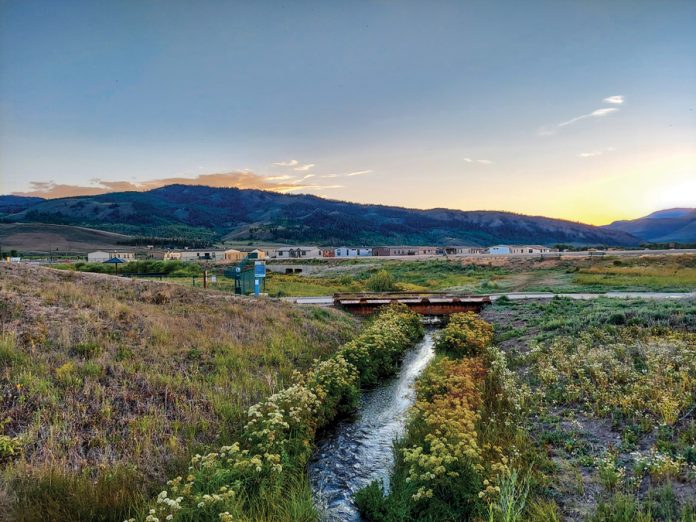
Smith Creek Crossing in the Rocky Mountains near Granby, Colo. Photos courtesy of Sun Communities.
When Sun Communities wanted to expand its RV resort offerings in Colorado, it turned to a town off Route 40 not far from Denver. However, officials in Granby, Colo., expressed concern about an RV resort that may leave employees with few housing options.
Affordable housing is something Sun Communities knows a lot about. So the company offered to buy additional land in the area for a new manufactured housing community if it was able to go forward with the RV plans.
Eighteen months later, residents are moving into the much-anticipated Smith Creek Crossing.
The community has a variety of home styles for residents to choose from.
“We are selling beautiful, high-quality, affordable homes, and we also have a rental option for residents. About 10% of the homes at Smith Creek Crossing will be available for rent,” Sun Communities Regional Vice President Lisa Felix said.
Homebuyers can choose from multiple home styles in Smith Creek Crossing. Floor plans range from a 971 square-foot, two-bedroom, two-bath home to the larger 1,866 square-foot, four-bedroom, two-bath model.
The 310-homesite community has manufactured homes for sale starting at $99,995. Site rental for homeowners ranges from $643 to $693 per month depending on location in the community.
“We have a large clubhouse with a fitness center and hot tub,” Felix said. “And, of course, living in our community puts residents in close proximity to the amazing River Run RV Resort. The combination of having general public access to the resort and the beauty of the mountainous surrounding area makes Smith Creek Crossing a highly desirable place to live.
“Granby is a beautiful place northwest of Denver, high up in the Rocky Mountains,” Felix said. “There is so much wildlife, with regular sightings of elk, bald eagle, big horn sheep. It really is an amazing place.”
Sun Communities also is developing amenities such as a playscape, hot tub, dog park, fire pit, and grilling area.
Smith Creek Crossing held a community grand opening Aug. 29, with new residents, city officials, representatives from Sun Communities, the wider community,
and eager homebuyers.
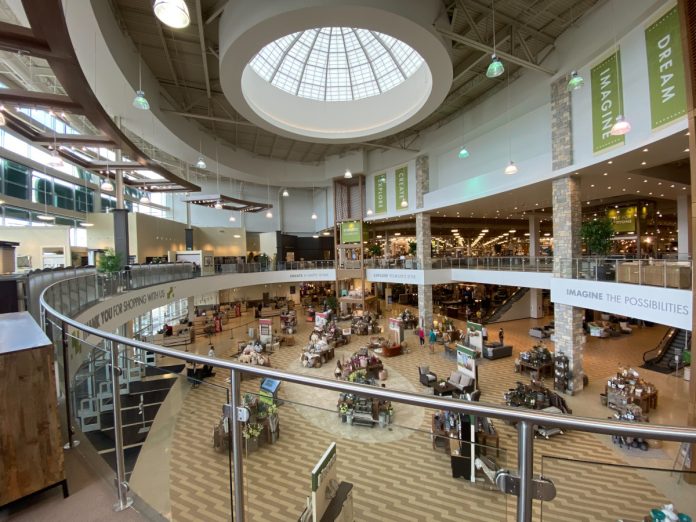
Large retailers like Nebraska Furniture Mart have the buying power to keep shelves stocked when others cannot.
Shutdowns. Shelter in Place. Self Quarantine. Lots of words that start with an S that won’t help with the S-word that affects business success more than any other – Sales.
If you are still doing business the same way you did last year, you will be left behind – quickly.
As a Lifestylist® who’s business revolves around interior design and staging model homes, I started to see warning signs of a disruption in March when plants and companies started slowing or shutting down with no immediate reopening plans in place.
Fast forward and we in the manufactured home staging business are facing shortages in all areas — furniture, appliances, decor, and even labor.
We pride ourselves in designing a business model that allows us to pivot quickly, and the coronavirus market impacts have put that model to the test. Happily, our methods have aided us in re-strategizing what we do in sourcing needed materials and labor. Here are five ways we’ve discovered that work well in navigating shortages to get homes merchandised quickly and affordably.
Some deliveries may be delayed due to disruptions in the supply chain during COVID-19 restrictions.
1. Relationships
Now more than ever, who you know, and the relationship that you have had with them on a business and personal level can make all of the difference. We quickly found out that even though we thought there would be a surplus of furniture and home goods on the market, the exact opposite has happened. Sheltering in place has made people look at their homes with a different perspective, and now are willing to invest more in their homes, because they will be spending a lot more time in them. It is next to impossible to get furniture form the company that I have always purchased from. In fact, they are quoting November delivery on most items! I have a great relationship with some of my vendors, and this has been invaluable when calling to ask favors. So far, this has helped us to get all of our work installed on time.
2. Plan B
Even though I rely heavily on one company, I always have attended trade shows and kept my eyes and ears open for new sources. I had started buying from some that are more expensive and harder to work with, but they do have inventory. They have been an enormous help, and I will remember how great they have been when we get on the other side of this global crisis. Always have a Plan B or backup plan, so you have a way to continue moving forward when something you don’t expect happens.
3. Buy Retail
Again, this is a more expensive way to get your homes completed, but it is an option. Many big furniture stores like Nebraska Furniture Mart and the Ashley Home Stores have tremendous buying power, so they may be able to get furniture a lot more quickly than I can. I am thrilled to have a Nebraska Furniture Mart nearby — they have been fantastic to work with, and I will probably continue this relationship. Plus, I now trust them enough to them retail buyers who ask for a recommendation. Their pricing and customer service are exceptional.
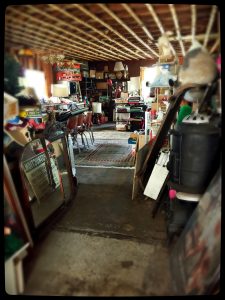
Estate sales can be an alternate source for the goods you need to source an interior design project. All photos courtesy of Lisa Stewart – Lisa Stewart Photography.
4. Estate Sales and Auctions
This is a place that you might not have ever thought of looking, but estate sales companies often sell new or current furniture and accessories and vintage items from grandma’s closet. Site home builders often sell their model home furniture this way, so you can check with your local builders, or look on estatesales.net to see what is available in your area.
5. You Get What You Pay For
This sounds like such a “duh” statement, but if you haven’t purchased furniture and decor items directly, there may be a lot of costs that you weren’t aware of, and didn’t ask about when making your purchase.
A Few Questions to Consider When You Source Goods for Your Next Interior Design Project:
Is the price delivered, or do you need to find a mover? Are there specific delivery days, or can they deliver quickly?
Does delivery include having the items placed in your homes, or just dropped in a box on the curb?
Will the mover remove all of the packing materials, or do you have to unwrap and dispose of everything yourself?
Are the items assembled or RTA (ready to assemble) Hiring someone who knows what they are doing can double the cost of an item, and a piece of furniture that is damaged, or put together incorrectly can be a liability for you?
If items arrived damaged, will they take care of the freight claims and replacement, or will you have to take your time and energy to do that? Will the item be replaced, or repaired and by whom? Finding a reputable person to repair a cut on a sofa or a scratch in a tabletop can take up your time and profits.
Times are changing, but there is an enormous need and market demand for affordable, well-designed homes. If we keep moving and being resourceful, there are great, profitable times ahead.
Datacomp has announced the publication of its September 2020 JLT Reports for mobile home rent comps, occupancy, and other vital data from manufactured home communities in California, Oklahoma, and Texas.
JLT Market Reports provide detailed research and information on communities in 184 housing markets throughout the United States. These include the latest rent trends and statistics, marketing programs, and a variety of other useful management insights.
Datacomp maintains and provides the JLT Market Reports and is the nation’s #1 provider of market data for the manufactured housing industry. JLT Market Reports are recognized as the industry standard for manufactured home community market analysis.
September 2020manufactured housing market data published in JLT Market Reports for the three states include information from 21 markets on 341 “All ages” and “55+” manufactured home communities.
Altogether, the reports from California, Oklahoma, and Texas manufactured home communities include data representations for 217,547 homesites.
Regional Trends in Manufactured Housing Community Rent
Pacific region manufactured home communities show a year-over-year 3.5% increase in rent for retirement communities and a 3.2% increase for all-ages communities.
Southwest region manufactured home communities show a year-over-year 3.6% increase in rent for retirement communities and a 4.2% increase for all-ages communities.
West region manufactured home communities show a year-over-year 3.3% increase in rent for retirement communities and a 4.8% increase for all-ages communities.
“California occupancy rates remained steady on a statewide basis, with only slight bumps or dips in select markets, while Oklahoma and each Texas experienced a small uptick in occupancy rates,” Datacomp Co-President and Chief Business Development Officer Darren Krolewski said. “September 2020 reports also show a good amount of stable rent growth in the three western states, with just two markets — one in California and the other in Texas — where rents rose beyond what we might anticipate for the average annual increase .”
What’s in JLT Market Reports?
Each JLT manufactured home community rent and occupancy report from Datacomp has detailed information about investment grade communities in the major markets. The detailed information includes:
Number of homesites
Occupancy rates
Average community rents, and increases
California rent control and next increase data
Community amenities
Vacant lots
Repossessed and inventory homes, and much more
JLT Market Reports also include management insights that rank communities by the number of homesites, occupancy rates, and highest to lowest rents. Established reports show trends in each market with a comparison of September 2020 rents and occupancy rates to September 2019, as well as a historical recap of rents and occupancy from 1996 to the present date in most markets.
The September 2020 JLT Market Reports for California, Oklahoma, and Texas manufactured home communities are available for purchase and immediate download online at the Datacomp JLT Market Report website, or they may be ordered by phone in electronic or printed editions at (800) 588-5426.
Each fully updated report for mobile home communities is a comprehensive look at investment grade properties within a market, enabling owners and managers, lenders, appraisers, brokers, and other organizations to effectively benchmark those communities and make informed business decisions.
ADUs from Genesis Homes, a collaboration between URBANEER and Skyline Champion Corporation, will be UMH's original source for Care Cottages. Photo courtesy of Skyline Champion Corporation.
UMH Properties is a publicly-traded company from New Jersey that owns manufactured home communities in eight states. However, during a recent conversation about the adverse effects of the COVID-19 on aging Americans, the organization came up with a plan to offer individual cottage homes on lease.
The new business is ready to launch after just a summer. UMH will begin taking orders regionally, in the northeast, and will expand during 2021.
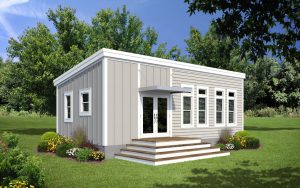
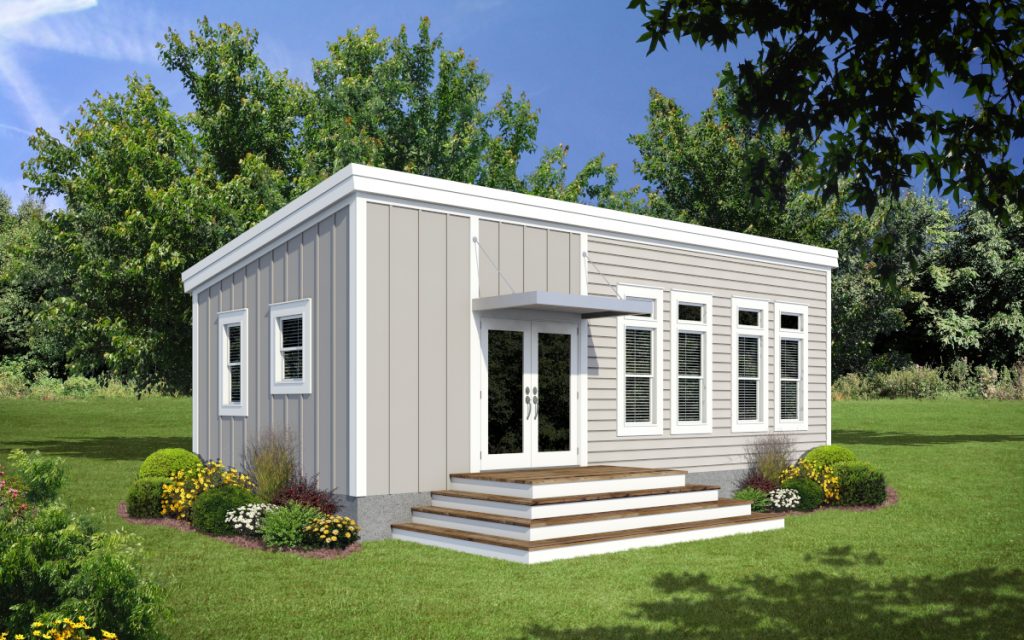
The exterior of the URBANEER 510.
“We started talking about how the COVID-19 was affecting home care facilities,” Daniel Blumenkrantz, a market analyst for UMH Properties. “We were hearing how there was no family allowed in or out, and about people making visits to loved ones through the window. We knew there had to be a better way.
“It was a quick turnaround, but it needed to be that way,” Blumenkrantz said. “It’s a current issue that needs to be addressed.”
Not everyone has space for a family member to come live with them, and some family caregivers just prefer some separation while keeping the loved-one in need of care close by with the assistance that’s needed.
Care Cottages Acquired on a Lease
Care Cottages are available now, and being taken nationwide to aid the process of aging in place. Buyers with a home that has space in the side or rear yard can lease a home for five or more years to provide the independence and care needed by a relative or loved one who is aging, ailing, or has special needs.
“When a customer contacts us looking for more information we work with them to confirm the space they have, what their needs are, and from there we go into helping them determine the structure and floorplan that would work best,” Blumenkrantz said.
The company is using ADUs — accessory dwelling units — for the cottages.
Help With Zoning Need for Care Cottage Clients
UMH Properties can help navigate zoning requirements with a Care Cottage customer, as well as make modifications to meet ADA requirements and other access and lifestyle solutions.
“The individual would lease the house from us, we get it delivered, and then remove it when it’s not needed any longer,” Blumenkrantz said. “Often people are looking for a temporary space, so we’re starting with a minimum 5-year lease.”
Blumenkrantz said he and others on the Care Cottages team believe the temporary nature of the structures will ease the burden of local zoning codes.
“We’re going to be working with people to make sure it’s an easy process,” he said. “We have a lot of experience in the factory-built housing, having done it since 1968. We have the partnerships that are needed to roll this out in a smooth manner.”
The URBANEER 510 is a 510 square-foot accessory dwelling unit built in three locations in partnership between URBANEER and Champion Homes.
In recent years traveling the country, discussion with innovators and leaders in the housing industry led to a realization of one of the most interesting developments we’ve witnessed recently in residential housing.
The accessory dwelling unit, or ADU, is one of the fastest-growing housing types in the country.
As cities across the country revise zoning to allow for the addition of backyard housing, there is a growing interest for the ADU to be a key piece of the solution for the U.S. housing crisis.
In mid-2018, Jonathan Lawless, vice president for product development and affordable housing at Fannie Mae, pointed to “the perfect storm” at the center of the housing shortage. Lawless said a great deal of the pressure comes from Boomers staying in their homes longer than anticipated, which creates a lack of inventory for first-time homebuyers, many of whom already are hamstrung by college debt, for instance.
The problem was being further compounded in urban areas, particularly on the coasts, that have existing high-density neighborhoods where adding new units is extremely difficult.
While there won’t be a single solution to the housing crisis, Lawless stressed that ADUs placed in the backyards of single-family homes where land was essentially free could play a key role in helping to relieve the housing shortage.
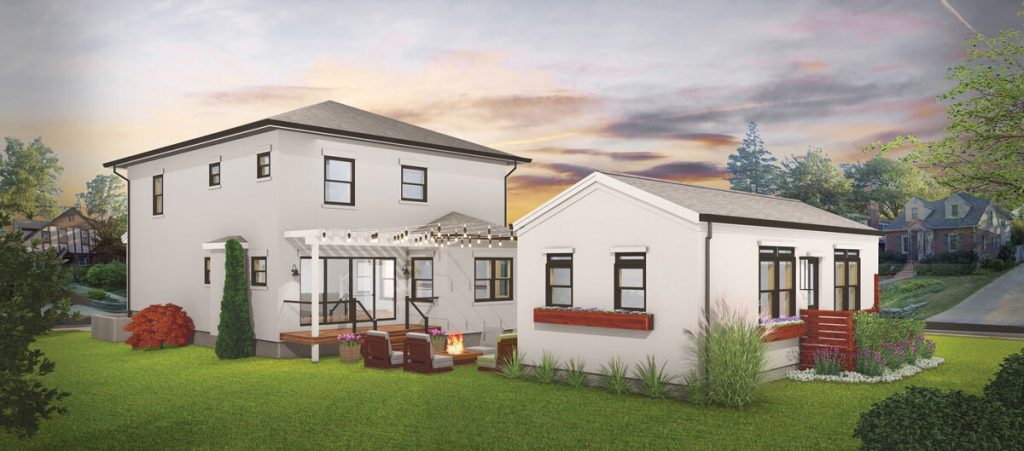
A rendering of how a smaller accessory dwelling unit can both match the current aesthetic and provide much-needed residential living space in developed neighborhoods. Image courtesy of Backyard Cottages.
Fast forward to 2020 and the Rise of ADUs
Municipalities across the country are embracing ADUs. Zoning has been revised in many locations to allow the diminutive structures to be more easily built and placed. California has gone so far as to pass state-wide zoning that allows for ADUs. This, theoretically, opens up nine million backyards to new housing units that can be as large as 1,200 square feet in living space.
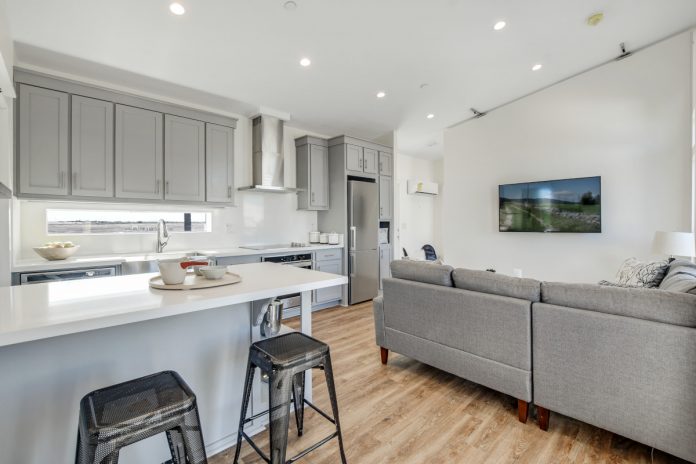
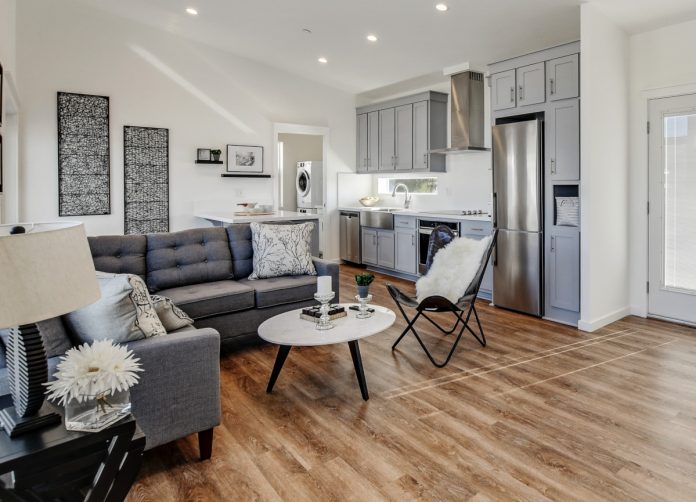
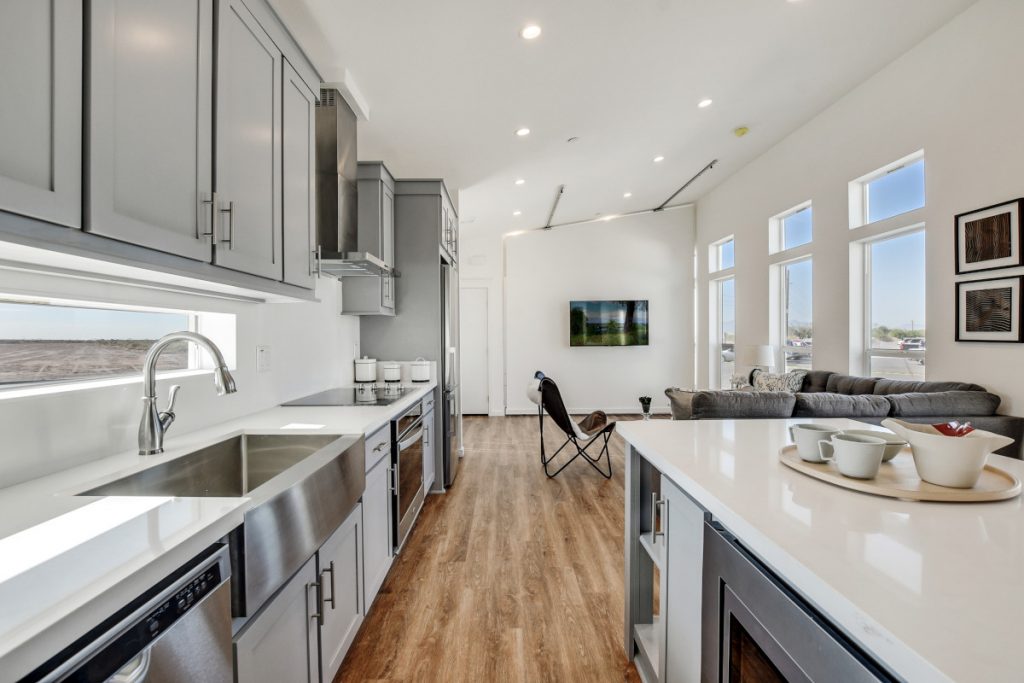
The interior design of the URBANEER 510 from Genesis Homes includes a moving wall and hideaway bed. Photo courtesy of Champion Homes.
During a three-month stay in the Bay Area this spring, my wife Brenda and I met with San Mateo County officials who are “rolling out the red carpet” for homeowners interested in ADUs. Silicon Valley is the epicenter of the U.S. housing crisis, with the spike in rental rates at an unsustainable pace. San Mateo County alone added 80,000 jobs since 2011, yet has only 11,000 new housing units during that time.
At a small seminar on ADUs, the county provided a workbook for residents looking for guidance on building a backyard ADU. Event attendance was far beyond what was anticipated, and it was fascinating to learn that the small city of Hillsboro on Feb. 15 had already received 50 building permit applications and that 45% of those were for residents interested in building an ADU. More than once there was the mention of a “civic duty” to provide more housing, with a mind toward the plight of teachers, first responders, healthcare professionals, and other essential workers who many times cannot afford to live in the area they serve.
In a region where some workers commute as many as three hours a day, ADUs can play a key role in helping to alleviate the housing shortage where workers are needed. A number of municipalities in California, — including San Diego, L.A., and Santa Clara, — are allowing mobile ADUs, which can be a tiny home on wheels, or a park model RV. For a state that is targeting 3.5 million new housing units by 2025, it needs every option available. And allowing temporary units could be a game-changer for remote workers and those who look to age-in-place.
The exterior of the URBANEER 510.
The History of Accessory Structures
Although ADUs might be viewed as a new housing type, historically they were common until the mid-’50s when many municipalities banned new units and allowed existing units to remain. The notion of ADU actually dates back to Colonial times when smaller homes were built as temporary homes while larger residences were constructed. Until the advent of zoning ordinances in the early 20th century, landowners could have as many dwellings on their property as they desired.
ADUs have fallen into several categories of housing, and have been called granny flats or in-law apartments. These included detached units as a stand-alone home or interior “apartments” in single-family homes. Often the interior quarters have been in a basement or above a garage. Each type continues to be created today, but the detached unit is the fastest growing. Terms for the stand-alone structure range from junior accessory dwelling, or JADU, or DADU for detached ADU.
It is estimated that 3,500 ADUs were grandfathered in Chicago when the zoning changed. It also is estimated that there are 50,000 illegal ADUs in Los Angeles that now may be eligible for amnesty subject to inspection under the new ADU program.
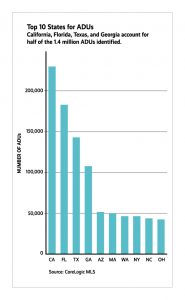
A recent study by Freddie Mac asserts that there are 1.4 million unique properties with ADUs in the U.S. The research shows an increase in first-time ADU listings at an average annual rate of 8.6%. In 2019, 78,00 ADUs were either sold or rented, up from 36,000 ten years prior, with southern and western regions of the country leading the way.
How Accessory Dwelling Units are Used Today
Uses for ADUs range from rental income for the owner of a primary residence to a place for a loved one to live independently in a nearby location. However, a majority of ADUs today are being deployed as a means of easing housing affordability. Some home builders, such as Classic Cottages in Alexandria, Va., are setting up separate business entities to pursue the ADU market both for new builds and as an addition to an existing home.
Backyard Cottages launched last year and in August the principals laid out their plans for diversification. The company already has several site-built units and have just taken delivery of their first modular unit built by Skyline Champion Corporation in its Strattanville, Pa, homebuilding facility.
Classic Cottages envisions ADUs that will help the Millennial buyer qualify for a mortgage, given the income potential of up to $2,500 per month for a backyard rental in the D.C. area. And all of this can be done with relative ease. For new homes, it is one permit, the build, and one finance application.
Top 10 Areas for ADU Growth
Portland
Dallas
Seattle
Los Angeles
Miami
Chicago
Austin
Orlando
Virginia Beach
Fort Worth
With up to 10,000 Baby Boomers turning 65 every day in the U.S., ADUs provide a great solution for aging-in-place. And, given the fallout from COVID-19 in senior living facilities, there is ever more demand across the U.S. for ADUs as a standalone transitional housing option.
“We see the lifestyle changes associated with the COVID-19 pandemic only accelerating the growth potential of ADUs in our local D.C. market over the next 3 to 5 years,” Backyard Cottages CEO Pierce Tracy said. “The rental value proposition in this area was already very strong and remains. However, the family need side has seen a rise as separate spaces on one lot for multigenerational households are at a premium. Building a backyard cottage allows you to keep an aging parent close, but not too close.”
The SECO National Conference of Community Owners this week released its schedule and speaker lineup for the Sept. 28-Oct 2. online event, with a recently added BONUS Day of content for manufactured housing professionals.
SECO, in its 10th year, is organized for community owners by community owners with an annual conference in the Atlanta area that has grown to a national event representing all aspects of manufactured home community operations, with an emphasis on small to midsize communities.
A New-Look SECO for 2020
In 2020, the SECO Conference will be held on a new virtual platform. The online venue covers three virtual floors including spaces for seminars, networking lounges, exhibit booths, meeting spaces, and a virtual home show. The first-ever virtual SECO is a unique partnership between the organizers of SECO and MHVillage, the premier online marketplace for manufactured housing.
For months, COVID-19 and associated protocols have kept people at home, or in as limited circulation as possible. However, the manufactured housing industry is essential and work must continue in the safest way possible.
“SECO20 will provide the sense of connection and community that SECO always has been known to provide,” SECO Co-Founder and organizer Spencer Roane said. “It’s taken some doing, but we are confident that the collaboration for attendees, sponsors, exhibitors, and presenters will be closer in feel to an in-person event than anyone anticipates.”
SECO organizers have finalized and released the event agenda and speaker lineup, with topics that range from general sessions to those designed for industry newcomers, as well as others interested in sales, management, and home and community finance and marketing topics.
The event also includes less formal fireside chats, and abundant networking opportunities.
Each session will conclude with a Q&A session between presenters-moderators and attendees.
SECO20 Virtual Conference Schedule Overview
Manager Monday (NEW in 2020!) – Monday, Sept. 28
For just three of the six presentations on Manager Monday, Maria Horton of Newport Pacific will talk about “Finding the Humanity During the Insanity of COVID-19”, Ken Corbin of CallKenCorbin.com will provide attendees with “Insanely Fun Changes That I Need to Make Now”, and Rent Manager’s Lindsey Urs will present “Kick Back and Relax with Receivables Automation” from.
SECO Day 1 – Tuesday, Sept., 29
The first full day of SECO20 will include 19 presentations and roundtable discussions including a talk on “How to Acquire Your First Community” by M2K Partners’ Eketerina Stepanova, a presentation from Dave Reynolds of IMPACT Communities on “Community Acquisitions and Turnaround”, and “Case Study: The Rental Home Model” with Steve Case of Military Homes and Ayal Dreifuss from UMH Properties.
SECO Day 2 – Wednesday, Sept., 30
The SECO National Conference of Community Owners resumes Wednesday morning with Shawn Fuller of Integrity Homes providing an overview of “Delivery and Installation in 2020,” “Buyer Trends” with Justin DeSpain of Clayton Homes, and a series of Mini TED Presentations among the 15 manufactured housing industry topics to choose.
SECO Day 3 – Thursday, Oct. 1
SECO20 is in full swing on Oct. 1, with a “State of the Industry” presentation from George Allen of EducateMHC, as well as CEO Dr. Lesli Gooch and President Mark Bowersox, both of MHI. The day also provides the aptly named “One-Minute Moneymakers”, as well as a talk on how to “Take Control of Your Online Reputation” with MHVillage/Datacomp Co-President and Chief Business Development Officer Darren Krolewski.
Virtual SECO BONUS Day – Friday, Oct. 2
Lucky you, there’s more to choose from, and perhaps you have something to say? As the SECO Conference planning team and its partners continue to program the fifth and final day of this annual event, reach out to us on sponsorship, advertising, and speaking engagement opportunities.
SECO20 attendees can choose from more than 50 sessions throughout the 5-day conference. And each of the approximately 500 participants will have an opportunity to interact one-on-one and in small groups with each other, a hallmark of SECO’s effort to initiate conversations that heighten industry awareness and image.
Participate in 2020 SECO National Conference of Community Owners
The cost for event registration at SECO20 ranges from $49 to $299, depending on the track and number of presentations desired. Manager Monday attendance requires a separate registration fee.
For more information on the 2020 SECO National Conference of Community Owners, visit secoconference.com.
SECO20, Sept. 28-Oct.2, is an online educational and networking event for manufactured housing professionals — A collaboration between the not-for-profit SECO organizing committee and MHVillage, the premier online marketplace for manufactured housing.
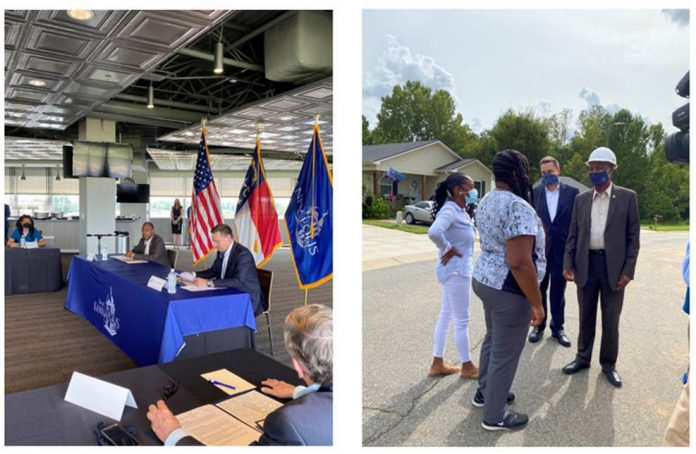
HUD Secretary Ben Carson holds an affordable housing roundtable in North Carolina. Photo courtesy of the U.S. Department of Housing and Urban Development.
Carson Visits Habitat for Humanity in North Carolina
U.S. Housing and Urban Development Secretary Ben Carson hosted a roundtable in an Opportunity Zone alongside U.S. Representative Richard Hudson-R, N.C., along with North Carolina leadership in the housing market to discuss strategies to increase the supply of affordable housing.
Secretary Carson visited a Habitat for Humanity Cabarrus County construction site alongside U.S. Representative Hudson as an example of community collaboration with the goal of increasing the affordable housing stock. Founded by church groups more than 30 years ago, Habitat for Humanity Cabarrus County has served nearly 1,400 individuals, 582 children, and 559 families.
“Housing prices have risen to the level that there are many in the workforce who maintain a job, but still cannot afford a place to call home,” Carson said. “The Trump administration has been working hard to bring solutions to this problem. Last week, I was pleased to bring together leaders of innovation and deregulation in North Carolina’s housing market, and I thank Representative Hudson for his commitment to affordable housing for all.”
Congressman Hudson said he remains focused on solutions to provide affordable housing, economic investment, and more jobs for the community.
“Through measures like Opportunity Zones and the Affordable Housing Credit Improvement Act, I’m proud of the progress made by working with President Trump, which we highlighted last week in Kannapolis,” Hudson said. “I appreciate Secretary Carson for coming to our community and look forward to working together to continue to improve our economy and expand opportunities for all Americans.”
Eliminating Barriers to Affordable Housing
On June 25, 2019, President Donald Trump signed an Executive Order establishing the White House Council on Eliminating Barriers to Affordable Housing, and named Secretary Carson as its chairperson. The Council consists of members across eight federal agencies and engage with state, local, and tribal leaders across the country to identify and remove the obstacles that impede the production of affordable homes – namely, the enormous price tag that follows burdensome government regulations.
Research indicates that more than 25% of the cost of a new home is the direct result of government regulations. For this reason, in recent years, the construction of new multifamily and single-family dwellings has been unable to keep pace with the formation of new households.
Data from the U.S. Census Bureau data shows from 2010 to 2016, only seven homes were built for every 10 households formed. As a result, Americans have fewer housing opportunities, including the opportunity to achieve sustainable homeownership, which is the number one builder of wealth for most American families.
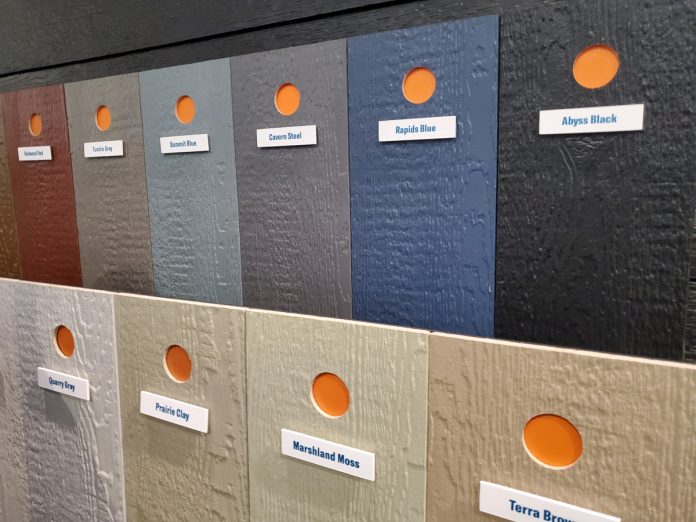
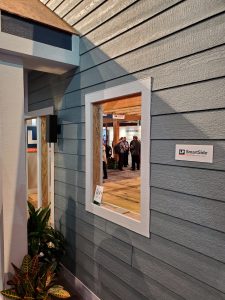
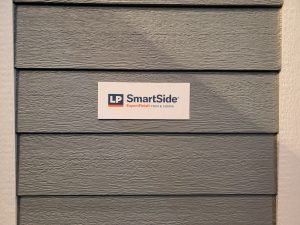
LP Smartside comes in 16 colors, as well as woodgrain and smooth finish.
Nashville-Based Company Puts Added Emphasis on Manufactured Housing
LP Building Solutions introduced its new products at the International Builders Show in Las Vegas early this year.
LP Building Solutions, a Nashville-based provider of engineered wood and wood products, expanded its offerings of trim, siding, and soffit for residential use with an added emphasis on serving the manufactured housing industry.
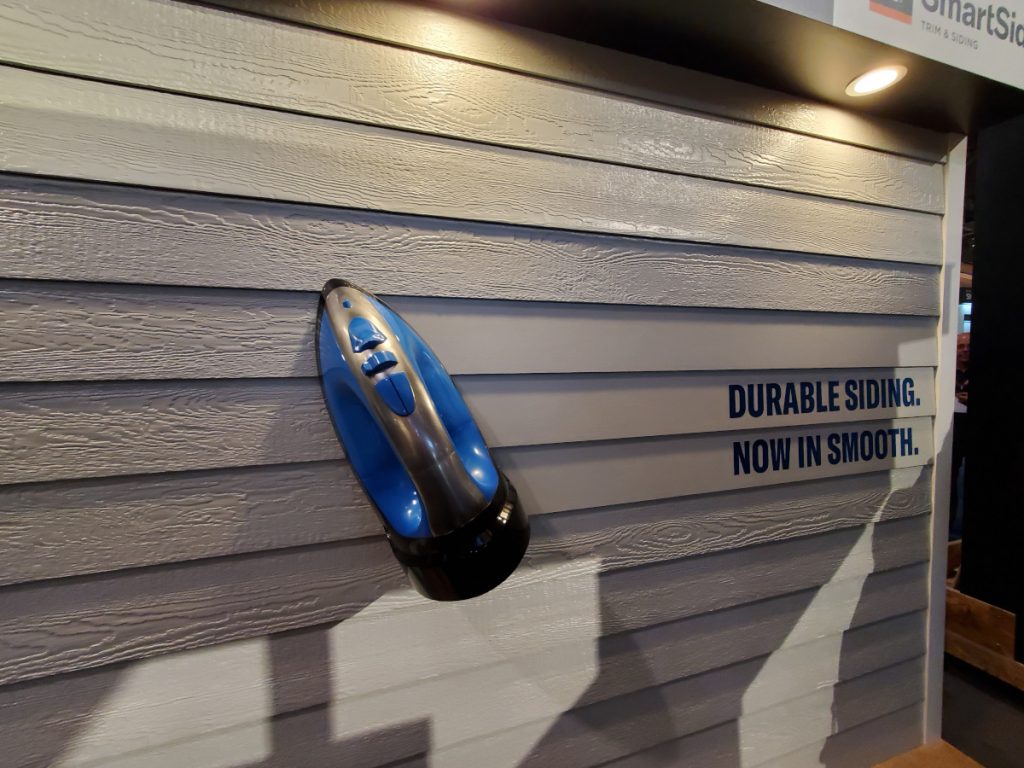
“Since its introduction last year, we have seen strong customer interest in our LP SmartSide Smooth Trim & Siding,” LP SmartSide Senior Brand Manager Derek Blank, said. “Our Smooth product provides a great look on the side of a house and is able to complement a wide variety of styles and aesthetics.
“To provide even greater variety, we have launched our smooth aesthetic in a new soffit,” he said. “This will allow us to continue our growth and meet the needs for durable siding with a great modern aesthetic.”
LP team members set up pitching machines aimed at their new siding as well as a competing product to display the durability of SmartSide.
LP at the International Builders Show
LP used the International Builders Show in Las Vegas to profile how SmartSide performs in strength, weight, and applicability. The company set up pitching machines and wall-anchored sledgehammers on the showroom floor to do side-by-side comparisons of its product against a competing concrete composite.
Blank said SmartSide is 44 percent lighter than Hardie Board, for instance, and can absorb more force without breaking as well. This makes SmartSide a valuable material in construction, delivery, setup, and for the homeowner in maintenance and repair.
Manufactured Housing A Focus for New Engineered Products
“Manufactured homes and modular homes in transport tend to sustain some degree of damage, particularly on the lower boards,” Blank said. “You’re going to get some stress, some bumping of modular sections, and problems with the lower two boards when setting the home.
“This board is lighter and more durable, which takes away a lot of that potential for damage,” Blank said of the SmartSide and associated products.
SmartSide, trim, and the new soffit come in 16-foot lengths rather than the standard 12-foot sections. And the 16 original colors as well as options for cedar and smooth finishes provide a great amount of variability in the use of the product.
LP SmartSide Smooth Finish Soffit is cut to width and provides a clean, cohesive look to match other LP products. For better workability, the product comes in a 16-inch width that helps to eliminate time spent ripping full sheets. Vented soffits are also are available with precisely cut, bug-resistant vents to provide an alternative to vinyl, MDO, plywood, or hand-installed metal vents to make it easier to meet code requirements while adding architectural beauty.
The material is treated to the core with LP’s SmartGuard® zinc borate-based process and bonded with a water-resistant, resin-saturated overlay, all LP SmartSide soffit provides the same long-term durability and strength against harsh weather as its siding and trim products.
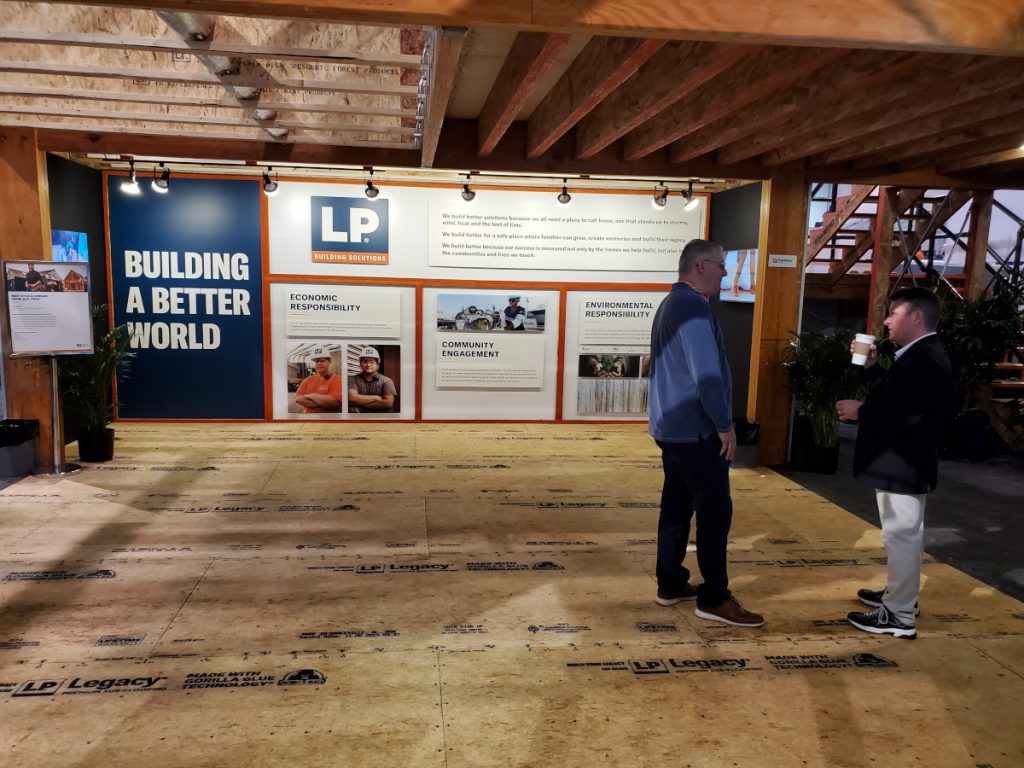
The interior of the LP exhibit at IBS in Las Vegas.
LP Earns Prestigious Awards at Annual Show
The company launched its new SmartSide late in 2019, and used IBS in Las Vegas to show the new offerings.
Customers seemed impressed with the product, and judges took notice too. LP won a series of awards for SmartSide and the associated trim and soffit packages, both for product development and marketing.
“We are thrilled to honor LP Building Solutions as Gold, Platinum and Bronze winners of our Brand Builder Awards,” said Hanley Wood Residential Construction Group President Paul Tourbaf. “Their creative marketing approach combined with the effectiveness of their work distinguished them as a leader in their category and offered great insight into the innovation within their company.”
Oct. 6-8 at Avalon Hotel in Alpharetta, Ga.
Manufactured housing community owners have never had more information available to them — or more decisions to...
The Midwest Manufactured Housing Federation has announced that attendee registration is now open for the 2027 Louisville Manufactured Housing Show, returning to the Kentucky...
HUD’s Innovative Housing Showcase, MHI’s Homes on the Hill and Annual Meeting Begin Sept. 22
Two of the country’s largest builders of manufactured homes will...





 If you are still doing business the same way you did last year, you will be left behind – quickly.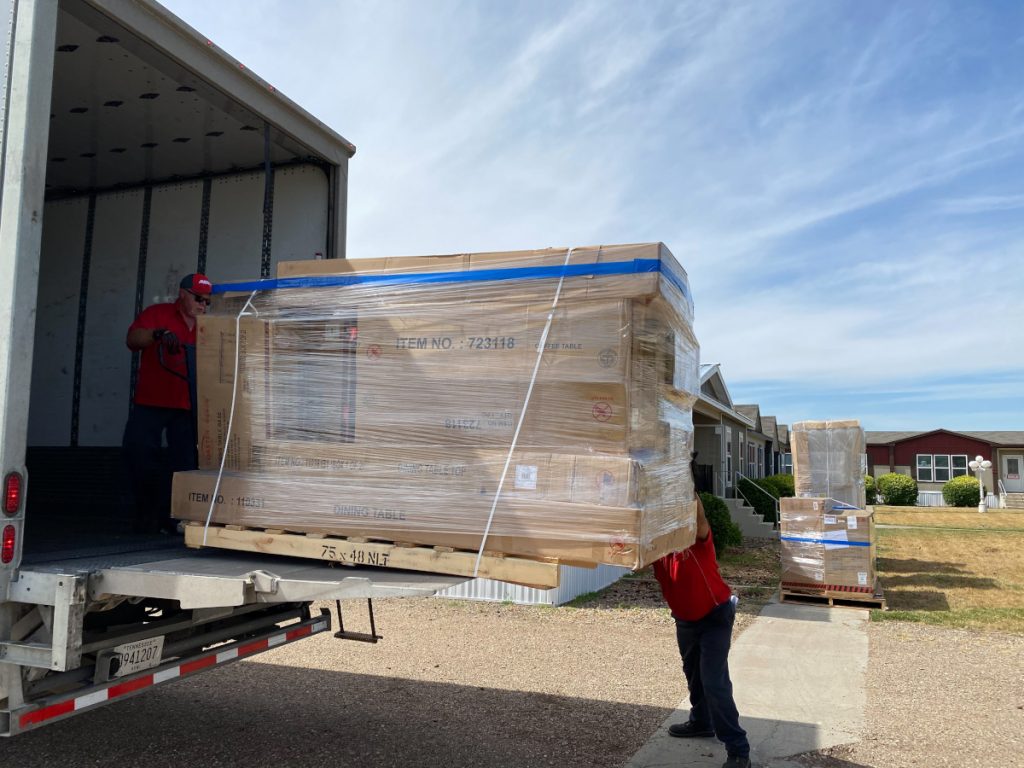
 Backyard Cottages launched last year and in August the principals laid out their plans for diversification. The company already has several site-built units and have just taken delivery of their first modular unit built by



 The company launched its new SmartSide late in 2019, and used IBS in Las Vegas to show the new offerings.